
Inside the Costly Everest Luxury Climbing Boom
FotoSCAPE

Inside the Costly Everest Luxury Climbing Boom

Images: Gemini

High-paying tourists now buy their way up Mount Everest, trading rugged climbing for luxury tents. But money cannot buy safety above 26,000 feet. Swipe ahead to learn more about this expensive excursion.
Everest Base Camp

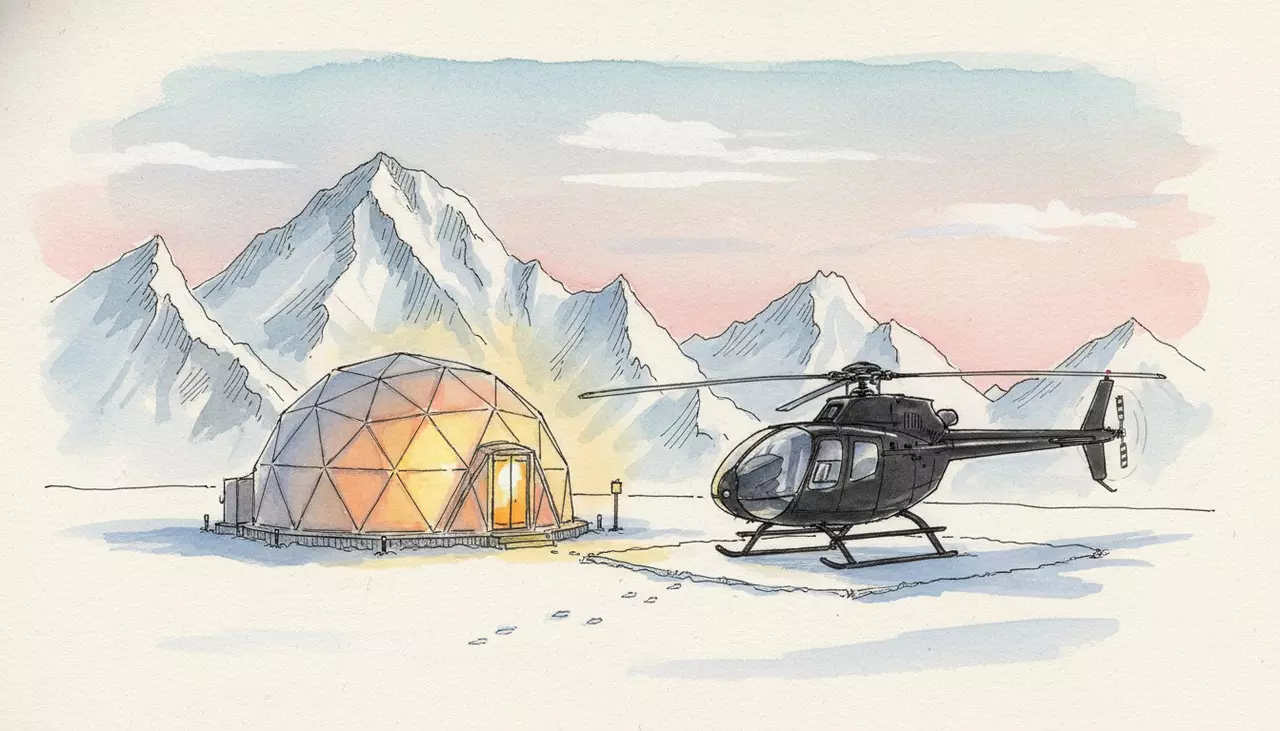
Scaling this frozen peak now comes with a massive price tag. While a standard climb on the Nepal side averages around $60,000, the richest clients pay up to a million dollars to skip the hard work. Private helicopters whisk these high rollers straight to the base camp so they never have to hike the dusty trails. Once there, they sleep in warm geodesic domes featuring personal chefs, movie screens and massage tables. Nepal recently banned in-tent toilets to keep the mountain clean, but the rest of the camp still resembles a five-star hotel.

7 Summits History

This high-altitude playground started with a wealthy Texas oil man named Richard "Dick" Bass. In 1985, Bass became the oldest person to stand on the highest peak of every continent alongside guide David Breashears and Sherpa Ang Phurba. His rapid rise to the top proved that amateurs could conquer extreme heights with enough cash and support. He wrote a popular book about his adventure, sparking a gold rush of guided trips. Now, his business model rules the slopes as rich tourists try to buy the same glory.

Hypoxic Tents

Rich climbers do not even have to spend weeks freezing on the lower slopes to get used to the thin air. Instead, they sleep inside special home tents for two months before they ever leave for Nepal. These machines strip oxygen from the bedroom to mimic the pressure at 21,000 feet. Some premium guides even sell ultra-fast climbs that take less than seven days to complete. By sniffing xenon gas and using these high-tech tents, tourists trick their bodies into building extra oxygen cells overnight.

Khumbu Icefall

Even a million dollars cannot stop the glacier from moving four feet every single day. This shifting ice field splits open without warning, forcing climbers to walk over deep cracks on shaky ladders tied with rope. When the afternoon sun warms the slopes, giant blocks of ice collapse and crush anything below. To stay alive, teams must climb through the maze in pitch darkness. They slip past the frozen walls between midnight and dawn while the bitter cold holds the ice in place.

The Death Zone

The human body cannot naturally survive on the thin air at 26,000 feet, causing cells to starve and brains to swell within hours. Since the air holds just a third of the oxygen found at sea level, climbers must use heavy tanks to stay awake. In 2019, a famous photo taken by climber Nirmal Purja showed over 300 climbers frozen in a single line, waiting for hours as their air supply ran out. 11 deaths occurred in that time period.

Geomorphic Bottlenecks

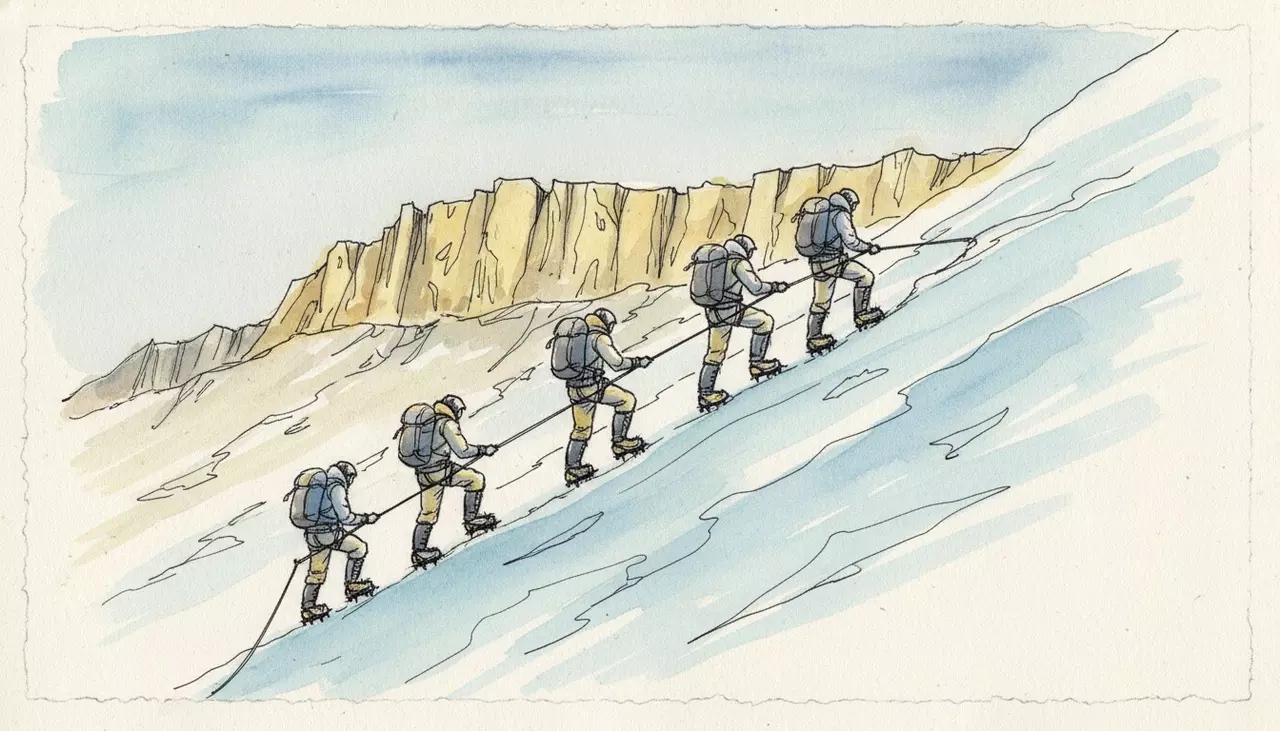
Three natural choke points block the path to the summit. First, climbers must scale the steep blue ice of the Lhotse Face while clipped to a single shared rope. Higher up, they must scramble over the bare rock of the Yellow Band in heavy boots and clumsy metal spikes. Finally, they reach the Hillary Step, which crumbled into a snowy slope during a giant 2015 earthquake. Because this razor-thin ridge offers no room to pass, climbers still face long and dangerous lines near the very peak.

Sherpa Support

This entire luxury system rests on the hard work of the indigenous Sherpa people. Rich clients often hire four guides each to haul their heavy gear, set up ropes and carry up to 12 oxygen bottles to the high camps. While these expensive personal guides keep clients safe, budget tours cut dangerous corners. Trips costing under $40,000 come with a deadly price. In fact, nearly all recent deaths on the peak occurred during budget trips run by low-cost operators.

Recommended For You.