
8 Tough Native Plants for Summer Heat
AI FOTOSCAPE

8 Tough Native Plants for Summer Heat

Images: Gemini

Garden beds face hard summers depending on where you live. By picking deep-rooted native flora, you can build a refuge that holds up against dry spells, so bees and butterflies have the fresh blooms they need to survive. Swipe ahead.
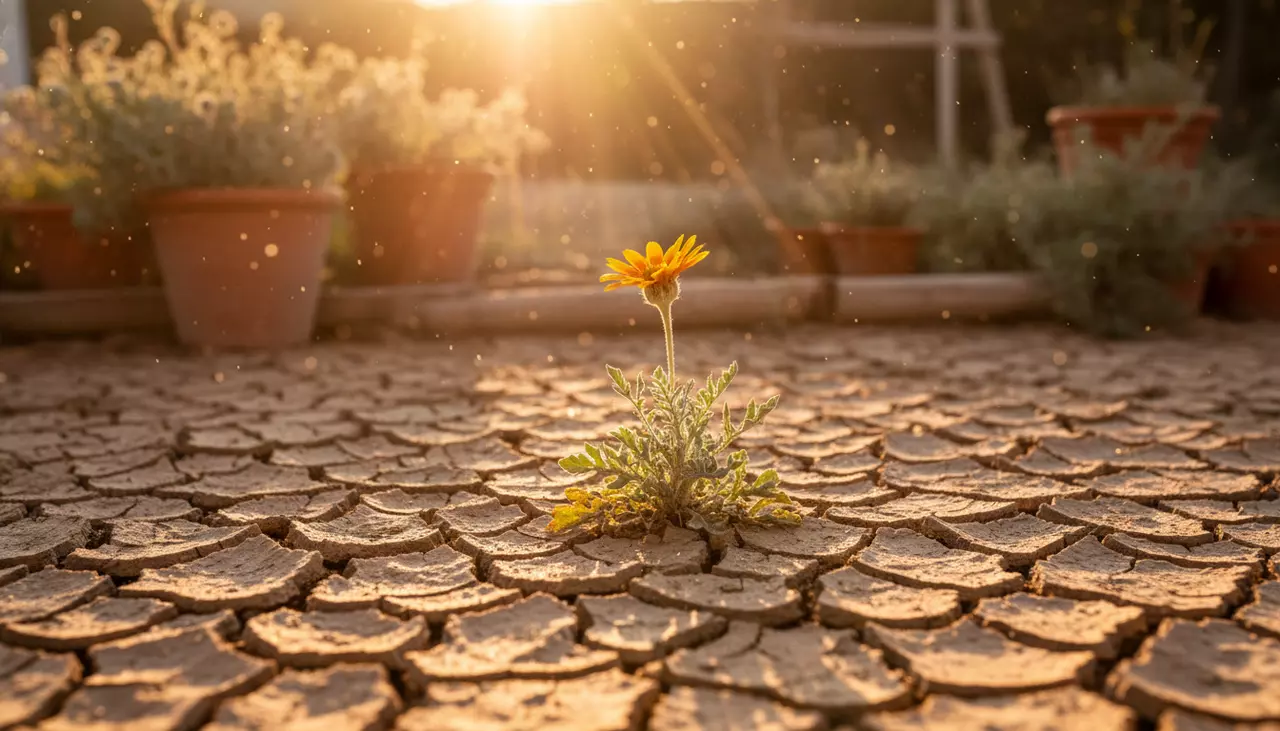
Climate Shifts and Bloom Gaps

Garden beds face hard summers now as climate shifts alter growing seasons. These shifts force flowers to bloom earlier than historical averages, leaving specialist pollinators without food when they emerge. Even worse, prolonged heat waves cause flowers to limit nectar production to save water, acting like empty canteens for visiting bees. Choosing native adapted plants that co-evolved alongside regional insects supports 20% more species diversity than non-native species.

Purple Coneflower

This hardy perennial stands tall against harsh summer weather and grows up to four feet high. Dark pinkish-purple petals surround a prominent, spiny, dome-shaped center cone . You can identify this plant by its prominent hedgehog-like center cone that stays upright during snowy winters. Its rigid stems resist heavy winds, standing tall as natural winter bird feeders. Hungry goldfinches cling to the top of these blackened stems to pluck seeds.

Designing a Resilient Native Haven

Building a drought-resistant sanctuary requires strategic planning rather than random planting. Group plants with similar water needs to prevent overwatering. Stagger your species selections to guarantee a continuous bloom cycle from spring through late autumn. Always position taller species like common milkweed and purple coneflower in the back of your garden beds. Position shorter, spreading options like blanketflower along the sunny edges. Leaving dead plant stalks and hollow stems standing until late spring preserves key overwintering sites for native bees.

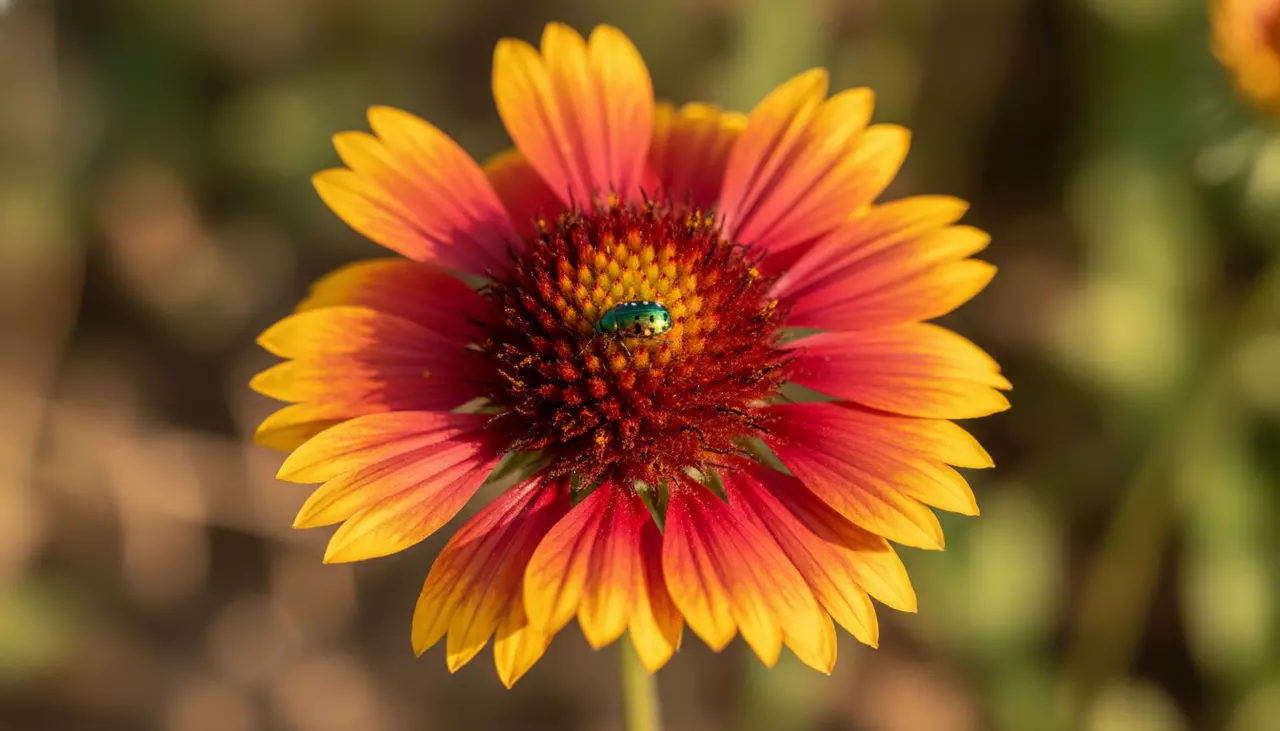
Blanketflower

This sun-loving wildflower relies on a deep taproot to draw moisture from underground. Bright, daisy-like petals show off concentric bands of red, orange and yellow. Because these petals tolerate intense heatwaves without wilting, they offer constant support for the soft-winged flower beetle. Let the seed heads remain on the stems once the blooms fade. They mature into neat, golfball-shaped clusters that feed hungry goldfinches throughout the cold winter months.

Anise Hyssop

Anise hyssop brings immediate value to dry summer beds. Crushing the leaves of anise hyssop releases a minty licorice aroma, thanks to high levels of methyl chavicol, that actively repels browsing rabbits and hungry deer. Tall, upright purple flower spikes act as a physical barrier to shield sensitive companion plants.

Late-Blooming Goldenrod

This bright autumn bloomer gets an unfair reputation for causing seasonal allergies. In reality, goldenrod produces heavy, sticky pollen that relies on insects rather than wind to move. This plant differs from the dull green, inconspicuous flowers of ragweed, the true allergy culprit. As a keystone species, goldenrod hosts over 130 species of butterflies and moths in North America, extending the nectar flow late into autumn.

Common and Swamp Milkweed

Choosing native milkweed saves lives in the insect world. Many gardeners fall into a visual trap by planting tropical milkweed, which stays green through warm winters and harbors deadly parasitic spores. Rising carbon dioxide drops cardenolide toxins in tropical milkweed by 25%, slashing monarch parasite tolerance by 77%. Instead, choose native swamp milkweed, which dies back in winter to prevent parasite buildup. For dry areas, common milkweed thrives with a deep root network reaching eight feet down to survive extreme drought.

Recommended For You.