
10 90s Sitcoms That Changed TV Forever
The 90s killed the classic family sitcom and writers ditched moral lessons for cynicism and sarcasm. These shows redefined humor and created a cultural blueprint that still dominates screens today. Swipe ahead.
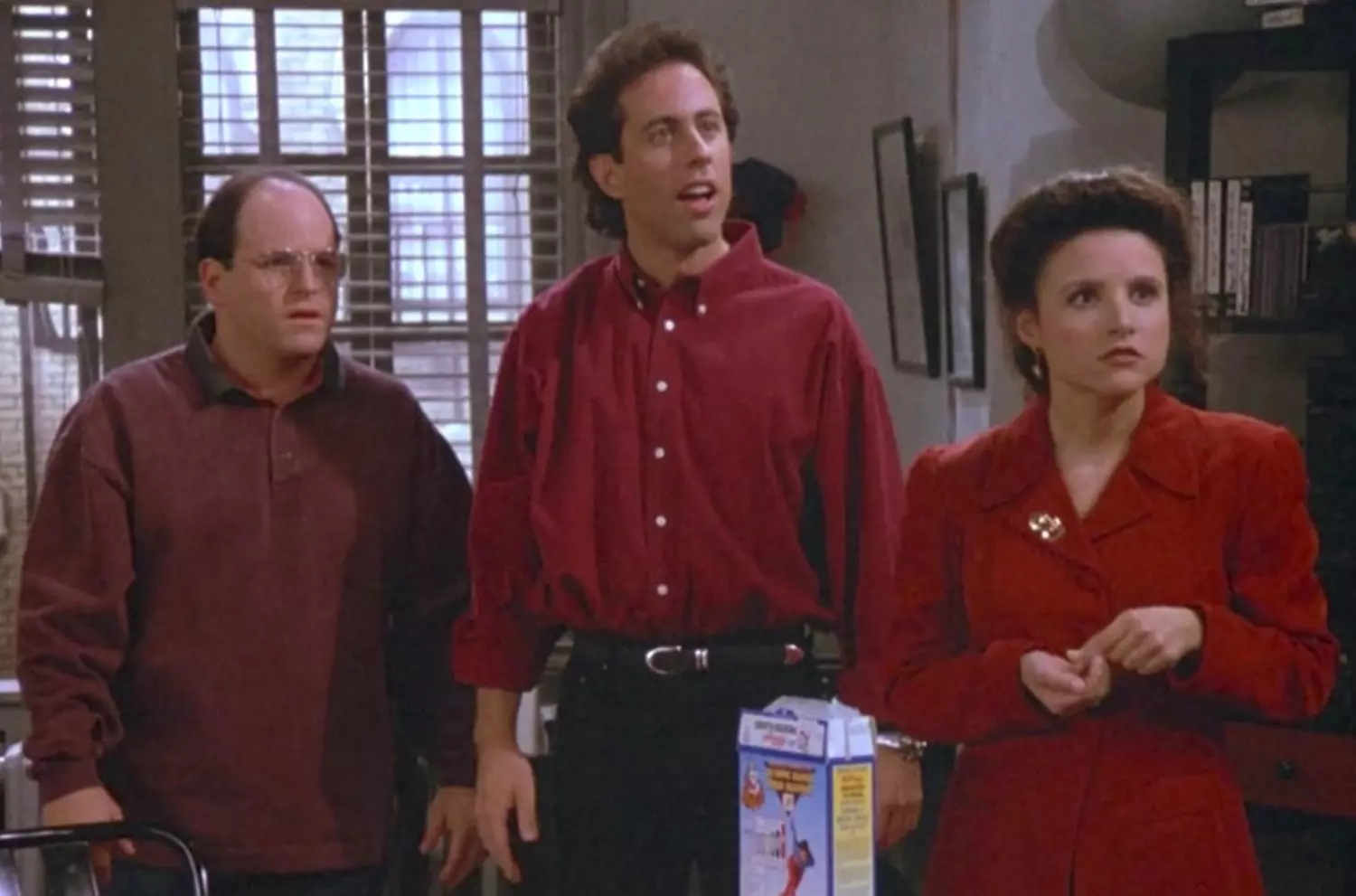
Seinfeld: The No-Rules Hit
Jerry Seinfeld and Larry David pitched a show about nothing. They turned social minutiae into a billion-dollar empire. Their strict no hugging, no learning rule kept the characters delightfully shallow. Episodes like the Soup Nazi gave us catchphrases that outlived the show itself.
Photography: NBC
The Fresh Prince of Bel-Air
Will Smith used his real name so audiences never forgot him. The show brought hip-hop culture into mainstream living rooms. It tackled serious social issues like racial profiling and fatherhood abandonment. One scripted scene where Will asks, "Why don't he want me?" anchors the show's legacy. The series balanced slapstick humor with raw reality. It launched a global superstar.
Photography: NBC
Martin's Catchphrase Dominance
Martin Lawrence played multiple characters to build a comedy empire. Roles like Sheneneh Jenkins and Mama Payne showed his range. The show became a cornerstone of the Fox network's growth. Catchphrases like You go, boy! entered the 90s lexicon overnight. It prioritized physical comedy and relatable urban life. Fans still quote the show decades later.
Photography: Fox
The Simpsons
1989-Present
This series proved that adult-oriented animation could dominate primetime. It debuted in the late 80s and immediately challenged the status quo. The show sustained long-term commercial interest through sharp satire and cultural parodies. It paved the way for every adult cartoon that followed. The residents of Springfield became global icons. It remains the longest-running American sitcom in history.
Photography: Fox
The Nanny
1993-1999
Fran Drescher based the show on her own life in Queens. Her distinctive nasal voice became an iconic auditory trademark. Costume designer Brenda Cooper turned the show into a global fashion reference point. Fran Fine's bold outfits bridged the gap between working-class roots and high-society glamor. The show's class-clash comedy resonated across international borders. It remains a style icon.
Photography: CBS
Family Matters
1989-1998
Steve Urkel started as a one-time guest character. Jaleel White’s performance turned the nerd into a ratings juggernaut. The character inspired the Urkel Dance and a literal pop song. He anchored ABC’s TGIF block for years. What began as a family drama shifted into a sci-fi comedy vehicle. Urkel remains one of the most recognizable figures in television history.
Photography: ABC
Friends
1994-2004
Six friends living in Manhattan apartments captured the global imagination. The cast eventually negotiated a massive one million dollar per episode paycheck. Everyone in the 90s wanted the Rachel haircut from their local salon. Fans still quote Ross Geller screaming Pivot! during a disastrous move.
Photography: NBC
Living Single
1993-1998
Long before Central Perk, four women shared a brownstone in Brooklyn. Living Single focused on Black professionals handling life and love in the city. Queen Latifah led a powerhouse cast that influenced the entire group of friends genre. The show offered a stylish and authentic look at life in 90s New York.
Photography: Fox
Frasier
1993 - 2004
Dr. Frasier Crane moved to Seattle and brought highbrow humor to the masses. The show won 37 Primetime Emmys and set a record that lasted over a decade. Frasier and his brother Niles often failed to fit in at blue-collar hangouts. Their obsession with fine dining and opera made them lovable snobs.
Photography: NBC
Home Improvement
1991-1999
Tim Allen built a sitcom empire on his Tool Man stand-up persona. The show focused on masculinity, family life and power tools. It stayed in the top 10 ratings for most of its run. Tim Taylor's constant grunting and DIY disasters resonated with millions. The show balanced physical comedy with suburban family values. It defined the mid-90s sitcom experience.
Photography: ABC