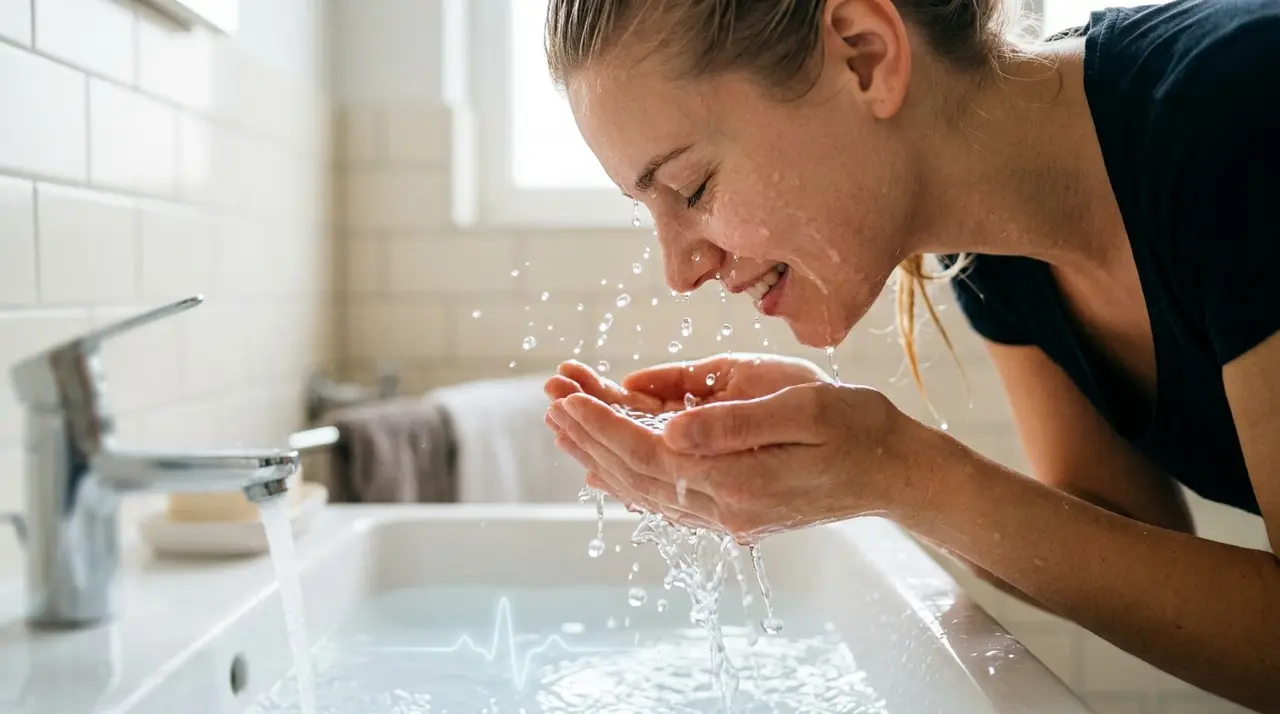


Self-care used to be synonymous with face masks and early nights, butt these days it means something a little more technical. The Global Wellness Summit named neurowellness one of the defining trends of 2026, and it spans everything from wearable neurotech to breathing exercises you can do for free. Swipe ahead and learn what the buzzword actually means, why it's everywhere and beginner techniques that genuinely help.
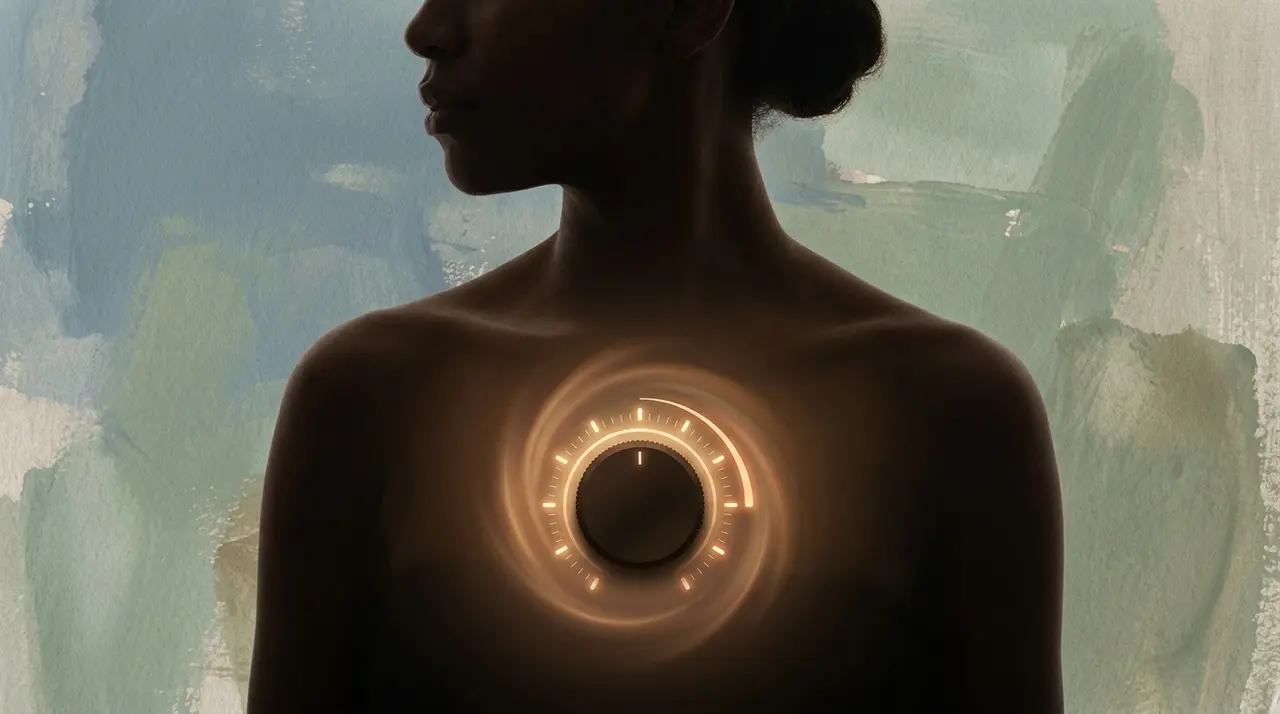
Your autonomic nervous system runs on two modes — the sympathetic fight or flight and the parasympathetic rest and digest. Modern life keeps a lot of people stuck in the first gear far too often. Neurowellness is viewed as the practice of deliberately shifting back into the second, calmer parasympathetic state instead of waiting for it to happen on its own.
Neurowellness isn't a fringe idea anymore. The Global Wellness Summit listed the rise of neurowellness among its official trends for 2026, calling nervous-system regulation the field's next frontier. A 2025 Gallup survey of 144 countries found that roughly 40% of people report feeling high anxiety on any given day. It was the moment this wellness concept moved from niche corners of the internet into the mainstream conversation.
At the other extreme sits consumer neurotech — headbands, wearables and devices like vagus nerve stimulation headsets that promise to nudge your brain toward calm or focus. It's one of the buzziest and priciest corners of the trend, and the one most worth approaching with a healthy dose of skepticism until the research catches up to the marketing.
The most accessible tools cost nothing. Somatic (body-based) practices — slow exhales, gentle body scans or a few minutes of stretching with attention on the breath — send a direct signal to the body that it's safe to downshift. They're the beginner's on-ramp precisely because they require no gadgets, subscriptions or learned techniques.
If you try one thing, make it a longer exhale. Breathing where the out-breath is noticeably longer than the in-breath activates the body's natural brake, the vagus nerve and it works within a minute or two. It's one of the most evidence-backed, do-anywhere techniques in the whole category.
Part of what makes neurowellness feel new is the framing. The conversation has shifted from treating mental health only when something's wrong to building mental and emotional fitness as a daily practice — the same way you'd train a muscle. Regulation becomes something you do routinely, not just in a crisis.
You don't need to follow an established program. Attach one regulating practice to something you already do. Do three long exhales before you open your laptop or a body scan while the coffee brews. Small, repeated and tied to an existing routine is how a nervous-system habit actually sticks. If you're dealing with ongoing anxiety or persistent stress, these tools work best alongside support from a professional.