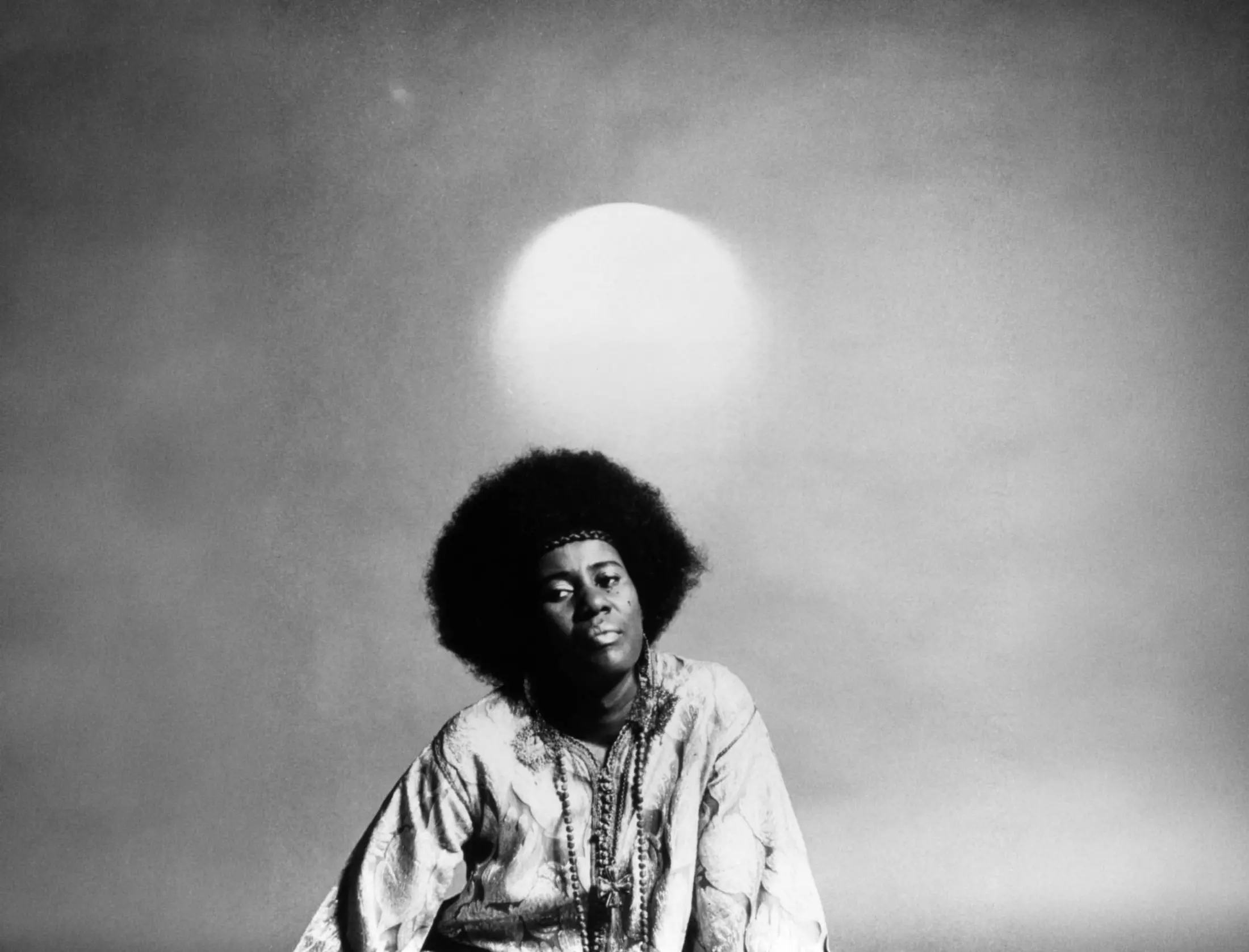

Women’s History Spotlight: Alice Coltrane
AI FOTOSCAPE

Women’s History Spotlight: Alice Coltrane

Alice Coltrane was a foundational figure in jazz, renowned for her innovative use of the harp, piano and Indian spirituality. After her husband John Coltrane died, she released a series of spiritual, avant-garde albums that redefined the genre. Swipe ahead for more.
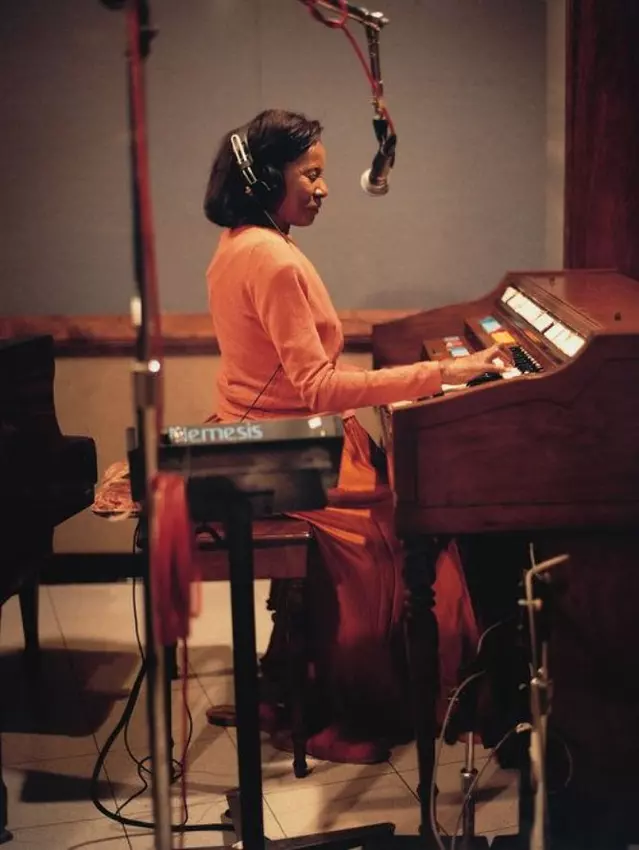
Detroit Roots and Bebop Beginnings

Born in 1937 as Alice McLeod, Alice Coltrane grew up playing in church and learning classical music in Detroit. She became a highly skilled bebop pianist in her early 20s, traveling to Paris to study with fellow pianist and composer Bud Powell, and then touring with vibraphonist Terry Gibbs’ quartet. Her early playing had a unique quality and style that lead to the more visionary creations she’d release later in life.

A Cosmic Partnership

In 1965, Alice met legendary saxophonist John Coltrane and the two had a transformative couple of years together before his untimely death in 1967. Their connection was both deep and immediate — so much so, that Alice ended up replacing pianist McCoy Tyner in John’s band until his death. Together they explored the outer limits of jazz music through avant garden structures and Eastern philosophies.

Forging Her Own Path Through Grief

Coltrane had to navigate through extreme grief and her new reality as a mother with young children. To help herself through, she became enveloped in music and spirituality, and soon stepped into her own as a bandleader. Coltrane is well-known for introducing the harp to jazz music on her first solo album, A Monastic Trio released in 1968.

The Birth of Spiritual Jazz

The early 1970s served as a period of experimentation for Alice Coltrane’s career as a jazz musician and innovator. Her interest in Indian spirituality made its way into the music on her 1971 album, Journey in Satchidananda. She fused traditional jazz music played on harp and the Waiter organ with classical Indian instruments like the tamboura and the oud. The style of music she created during this time came to be known as spiritual jazz.

The Ashram Years and a New Identity

After some profound spiritual revelations, Coltrane retreated from the commercial music industry and moved to California during the late 1970s. Here, she established a spiritual sanctuary on 50 acres of land called Shanti Anantam Ashram, or The Vendantic Center. The property was used as a retreat for spiritualEastern philosophies, Hindu devotion, and African-American musical traditions. In true innovative form, Coltrane began leading students in traditional Vedic chants, but accompanied by massive analog synthesizers playing pitch-bending leads over hypnotic group vocals

A Lasting Cosmic Legacy

In 2004, Coltrane released her final album after decades away, titled Translinear Light, for which she put on a few large-scale concerts. before her death in 2007. Her posthumous status is that of a masterful musician who pushed through the male-dominated industry to create an entirely new musical landscape She left behind a legacy of spirituality, cosmic sound and healing that continues to inspire musicians today.

Recommended For You.