
6 Things You Should Know About Cold Plunges
AI FOTOSCAPE

6 Things You Should Know About Cold Plunges

Images: Gemini

Everyone's dunking themselves in ice water and calling it recovery, but a lot of the science people repeat doesn't hold up. Swipe ahead to learn about what's actually happening in that tub, what the research backs and what it doesn't. Keep swiping for all seven.
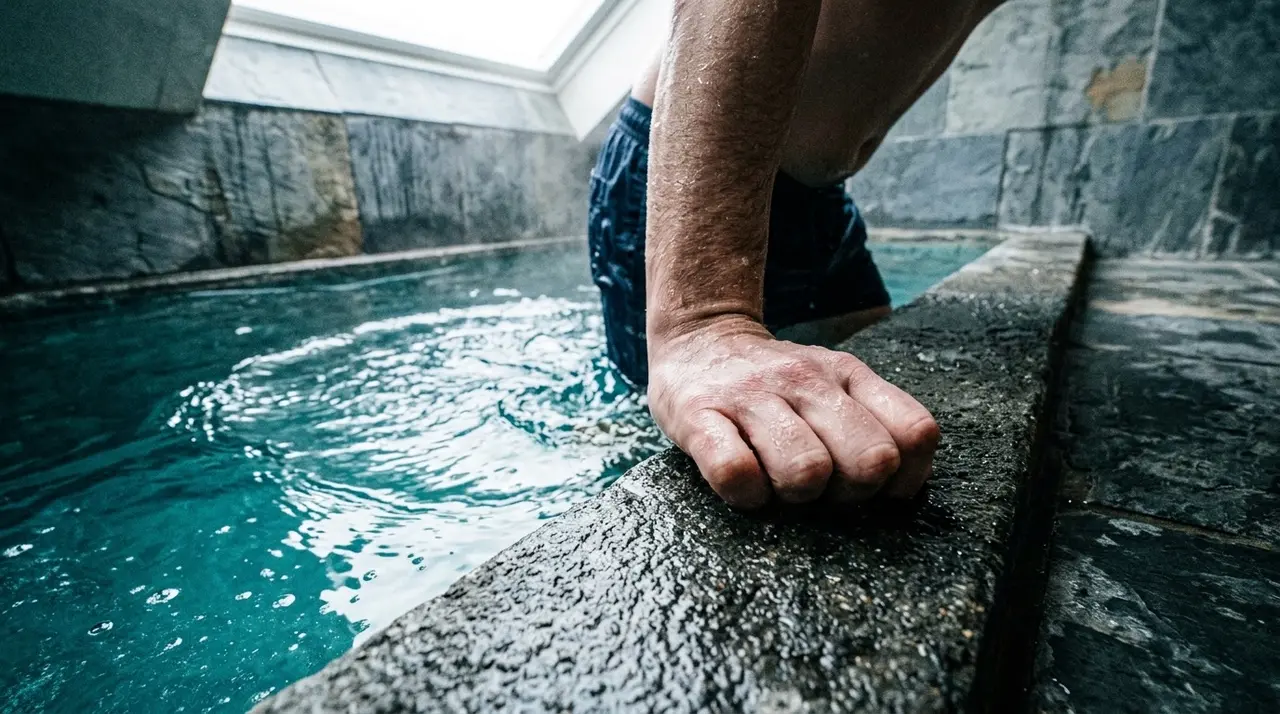
A Plunge Can Feel Rough

A cold plunge sits at around 50 to 59 degrees Fahrenheit, while a whole-body cryotherapy chamber blasts you with air chilled as low as −220 degrees in nitrogen-cooled units (electric chambers run milder, around −110 to −140 degrees). Water pulls heat from your body far faster than air does, so that "warmer" 50-degree plunge can feel harder to sit through than a few minutes in a much colder chamber.

The FDA Never Approved Cryotherapy

No whole-body cryotherapy device has FDA approval for any medical condition, which leaves the chambers and their marketed treatments essentially unregulated. When FDA scientists reviewed the research, they found little evidence it safely treats what it's sold for, including fibromyalgia, migraines, anxiety and chronic pain.

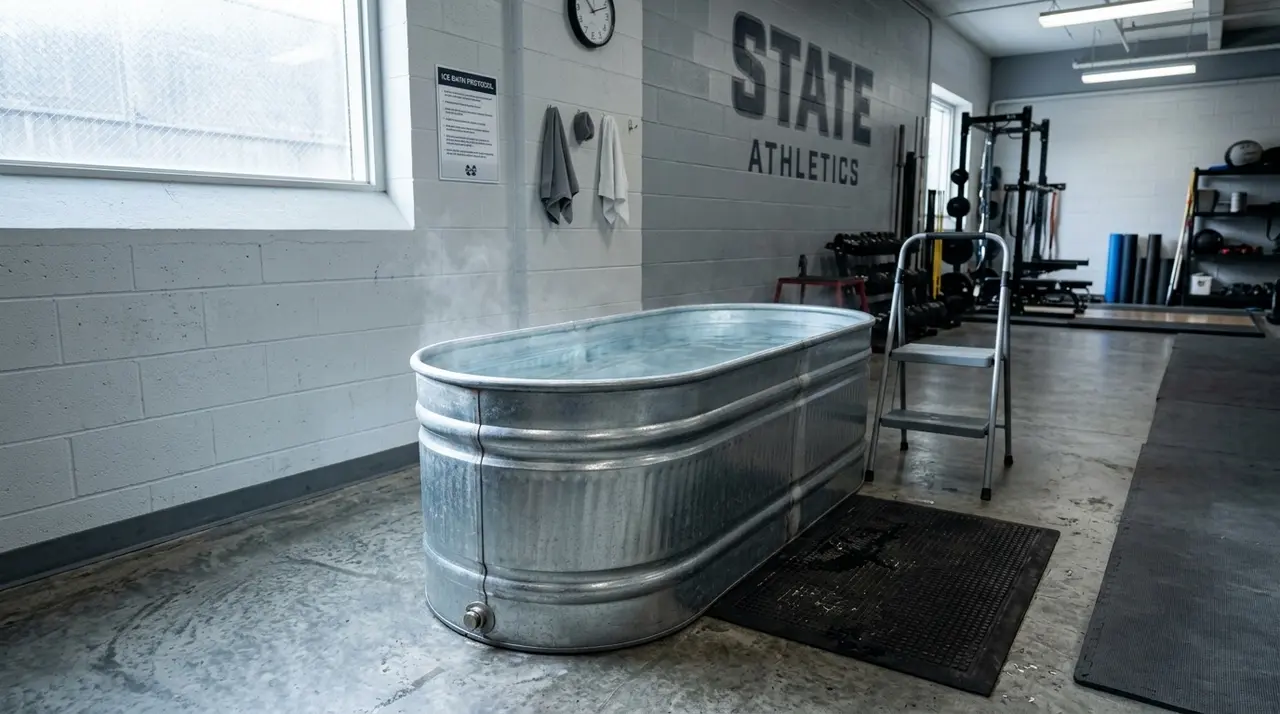
What Plunges Actually Do

Per a Cochrane review of small trials, cold plunges work to reduce muscle soreness in the 24 to 96 hours after a hard workout, compared to doing nothing at all. The detox and calorie-melting claims are oversold: cold exposure can nudge your energy use up slightly, but diet and training still do the large majority of the work.

Body Shock

The first few seconds of a cold plunge hit like an alarm going off: an involuntary gasp, fast breathing, a jump in heart rate and a systolic blood pressure spike that studies put anywhere from 15 to 45 mmHg. That's vasoconstriction at work — blood vessels in your skin and limbs clamping down to hold onto heat and protect your core.

Nervous System

Global Wellness Summit's 2026 trends report names nervous-system regulation and recovery as the year's defining trends — a shift from pure performance to allowing the body room to reset. Booking data backs it up: ClassPass's 2025 Look Back Report shows sauna visits up 40% year over year, sports recovery sessions up 155%, and stretching up 143%. The cold plunge tub market reflects the same appetite, valued at roughly $354.6 million in 2025, per Grand View Research.

Ask Your Doctor

The sudden blood pressure spike and rhythm stress make cold plunges risky for anyone with cardiovascular disease, arrhythmias, uncontrolled high blood pressure, peripheral artery disease, Raynaud's or serious respiratory conditions — all should get cleared by a doctor first. If you're pregnant, exercise caution across all trimesters, since cold-induced vasoconstriction can reduce blood flow to the uterus and placenta.

Recommended For You.