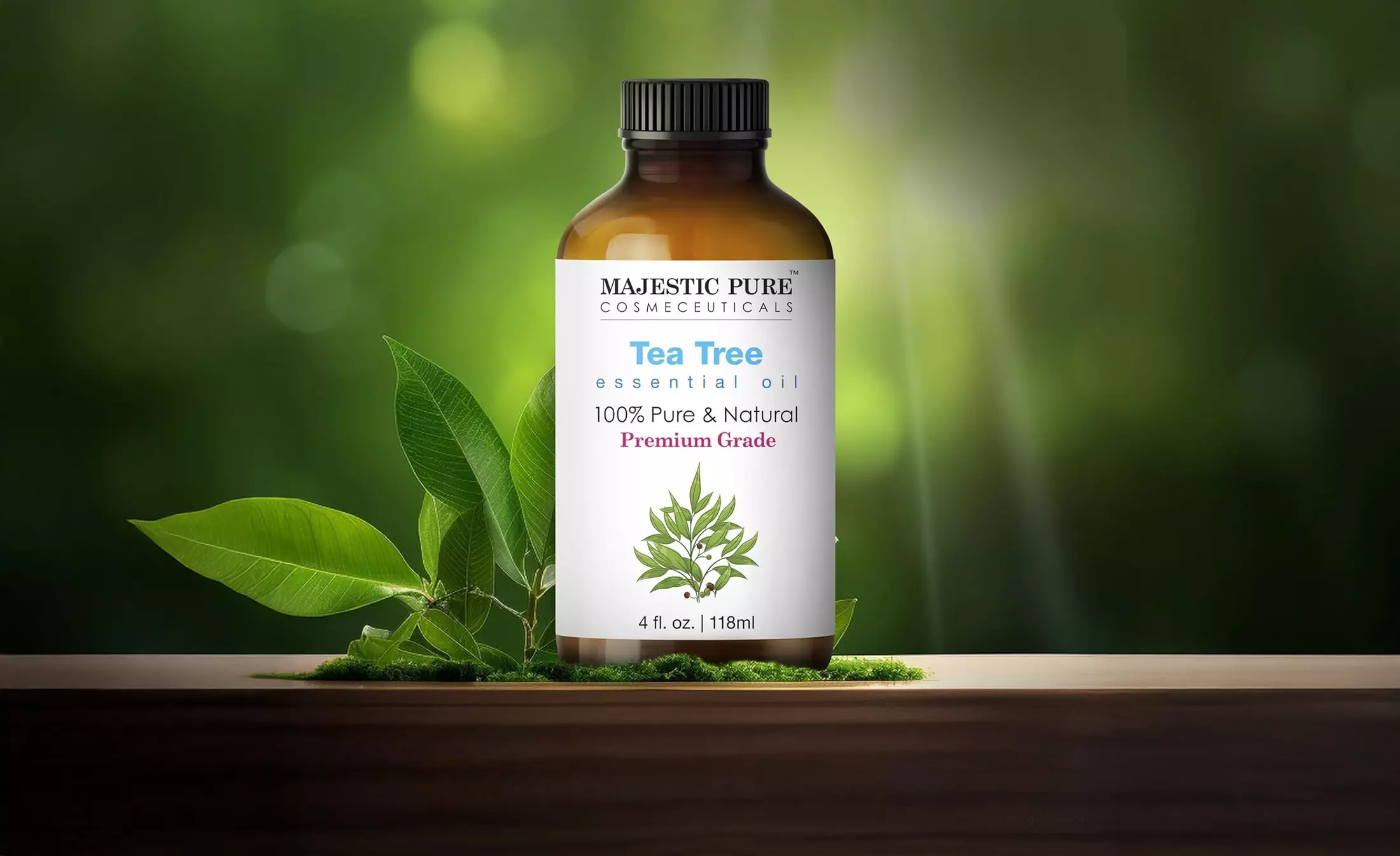

Tea tree oil is a skincare powerhouse. Derived from an Australian tree, this essential oil boasts antifungal and anti-inflammatory properties. Use it topically to treat various conditions, but remember: It is toxic if swallowed, so keep it external.

Tea tree oil’s antiseptic characteristics make it an excellent treatment for minor cuts and scrapes. It can target specific types of bacteria that can cause infection in skin injuries. Apply diluted oil directly to the injury and cover with a bandage.
Photography: Pinterest/The Sill
Similarly, tea tree oil can reduce inflammation and trigger white blood cells to do their thing, which can lead to quicker, more effective wound healing. Apply a few drops of diluted tea tree oil to the wound dressing each time it is changed.
Many people suffer fungal infections in their toenails. When used alone or in combination with other treatments, tea tree oil has been shown to kill the fungus and enable healing.
Tea tree oil helps clean and sanitize surfaces. In a spray bottle, combine ¾ cup of water, ½ cup of apple cider vinegar and 20 drops of tea tree oil. Shake well and apply to surfaces as you would any cleaner. Wipe clean with a dry cloth.
Add one drop of tea tree oil to a cup of warm water, and swish! This solution can be an effective treatment for the inflammation caused by gingivitis. Remember not to swallow this chemical-free mouthwash, as tea tree oil should not be ingested.
The antibacterial effects of tea tree oil may help reduce acne-causing bacteria on the skin. You can find pre-made mixtures containing tea tree oil at natural grocery stores or online. Or you can mix one part tea tree oil with nine parts water. Apply the mixture twice a day with a cotton swab.
Contact dermatitis can occur when your skin comes in contact with an allergen such as detergents or certain plants. Mix 10 drops of tea tree oil with 1 tablespoon each of extra virgin olive oil and 1 tablespoon of melted coconut oil. Mix well and apply twice a day to the affected area.
Photography: Amazon