

Linked to health concerns, these ingredients are banned abroad but remain legal in the U.S. Knowing the risks helps you make smarter choices. Here are the controversial additives other nations have rejected.

BHA (butylated hydroxyanisole) and BHT (butylated hydroxytoluene) are preservatives that keep oils in foods from going bad. You’ll find them in foods like breakfast cereals, potato flakes and dry beverage mixes. Even though they do their job well, these chemicals are banned in places like the UK and Japan because they might cause cancer. Studies have shown that BHA and BHT can cause tumors in lab animals, raising concerns about their safety for us.
Titanium dioxide is an additive used to make food look whiter and brighter, like in candies and some dairy products. The European Union has banned it because it could cause DNA damage and is considered a possible carcinogen. Research suggests that tiny particles of titanium dioxide can get into and damage cells, which is pretty alarming. Despite these risks, it's still used in many foods in the U.S.
Hydrogenated vegetable oils, also known as trans fats, are used to make foods last longer. Countries like Denmark and Switzerland have banned these oils because they can cause heart disease, diabetes and other serious health problems. Trans fats raise bad cholesterol and lower good cholesterol, increasing the risk of heart issues. While the U.S. has reduced their use, they can still be found in some products like frozen pizza, microwave popcorn and non dairy coffee creamer.
Recombinant bovine growth hormone (rbGH) and recombinant bovine somatotropin (rbST) are synthetic hormones used to increase milk production in cows. Canada and the European Union have banned these hormones due to concerns about their effects on animal health and potential risks to humans. Milk from treated cows may have higher levels of insulin-like growth factor-1 (IGF-1), which has been linked to cancer. Even though they're still used in the U.S., you might want to choose hormone-free dairy products for a safer option.
Atrazine is a herbicide used to control weeds in crops like corn. The European Union has banned it because it can disrupt hormones and harm aquatic life. Studies have shown that atrazine can cause reproductive issues in animals and may be linked to birth defects and cancer in humans. Despite these dangers, it's still widely used in American farming. To reduce your exposure, consider buying organic produce and supporting sustainable farming practices.
Ractopamine is a feed additive used to make meat animals, like pigs and cattle, leaner. It's banned in over 160 countries because it can cause health problems in livestock and may be risky for humans. Ractopamine can lead to heart issues and stress in animals, raising concerns about the safety of meat from treated animals.
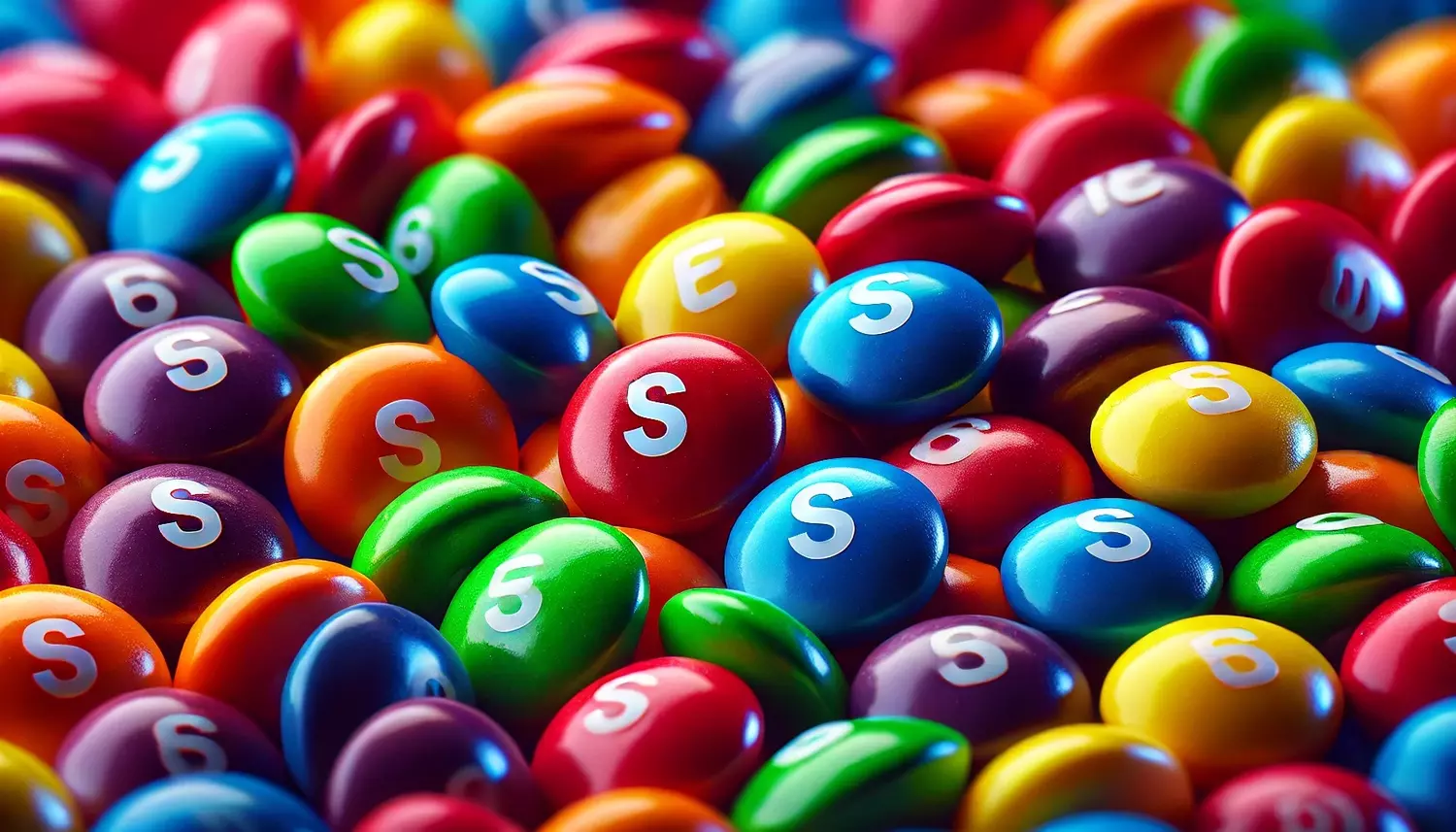
Artificial food dyes like Red 40, Yellow 5, and Blue 1 make food look more appealing but are banned in countries like Norway and Austria. These dyes are linked to behavioral problems in kids and potential cancer risks. Studies have shown they can cause hyperactivity and allergic reactions, which is why some regions require warning labels or ban them altogether. Though they look fun and colorful, these dyes might not be worth the health risks. These days, there are numerous items in grocery stores with no additional coloring.