
Origins of Monsters and Other Scary Things
Monsters, spirits, ghosts, and ghouls aren't just for Halloween. We've all heard the legends – now it's time to learn about the origins of some of the world's most interesting monsters and creatures.
Whether you're a skeptic or a believer, continue on for the backstories of well-known monsters and other scary things.
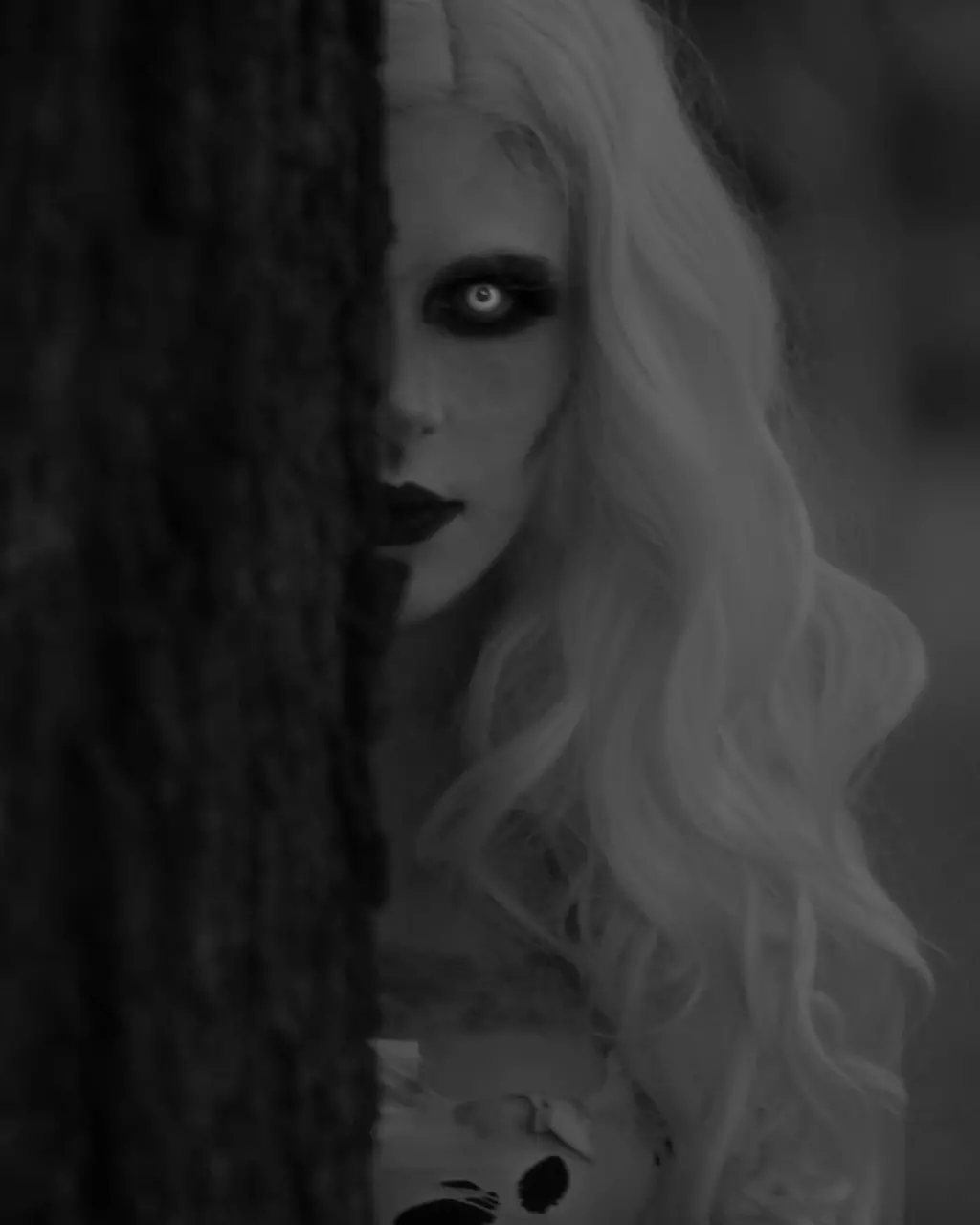
Banshee
The origins of the Banshee lie in Irish folklore. According to legend, these female spirits are known for their screams, which serve as a warning of impending death.
Photography: Instagram | @I.mimagery
Bigfoot
The legend of Bigfoot began in the 1950s as a result of a letter and subsequent column written to the "Humboldt Times." The discovery of large footprints by California loggers quickly grew into the legend of this large, ape-like creature.
Photography: Rockstar Games
Bloody Mary
According to legend, chanting "Bloody Mary" while looking into a mirror will invoke the spirit of Bloody Mary. Some legends say she provides a glimpse into the future, while others claim that uttering the name will bring forth a malevolent spirit.
Photography: The CW
Crystal Ball
The history of crystal balls dates back to at least the 1st century A.D. when they were used by soothsayers to predict the future. Since that time, the crystal ball has been used as a pastime, a way to make money, as part of magic acts, and even for creative photography.
Dybbuk
The origins of the Dybbuk are traced back to Jewish folklore. According to the legends, a Dybbuk is a human spirit that seeks a living host. Only exorcism is believed to rid a living human of this evil spirit.
Photography: The Gesher Theater
Dragon
Tales of dragons date back to at least the time of the Ancient Greeks and Sumerians, although a dragon-like creature was described in the Bible. Throughout the years, legends of these fire-breathing creatures have circulated around the world, from the US to Europe, India, and Japan, and have been featured in fantasy books, movies, and TV shows.
Photography: HBO
Flying Broomstick
The story of the flying broomstick is thought to have originated from a pagan ritual used to encourage the growth of crops. The ritual consisted of dancing with brooms, poles, and pitchforks under a full moon.
Photography: Instagram | @timur_tatar
Jack-O-Lantern
The jack-o-lantern comes from the Irish myth of Stingy Jack – a man that tricked the Devil multiple times for personal gain. Once Stingy Jack died, God wouldn't let him into heaven and the Devil wouldn't let him into hell. So, he was left to wander the earth carrying a makeshift lantern made of a hollowed-out turnip. He became known as Jack of the Lantern, or Jack O'Lantern.
Kodama
Kodama are tree-dwelling spirits from Japanese folklore. These spirits are said to take on the appearance of trees, and if an inhabited tree is cut down, a curse would befall the person cutting the tree.
Photography: Studio Ghibli
Magic Wand
The use of magic wands can be traced back to ancient Egypt, where practitioners used decorative wands made of metals and hippopotamus ivory. In Homer's “Odessey,“ the sorceress Circe used a magic wand to turn men into pigs.
Mummy
The mummy is a popular Halloween monster that isn't exactly a myth. Anthropologists have found mummified bodies of humans and animals on every continent, one million of which are mummified animals discovered in Egypt. Thankfully, there is no evidence indicating that mummies can reanimate like they do in horror movies.
Poltergeist
A poltergeist is a spirit that causes disturbances by making loud noises, knowing over objects, or wreaking other types of havoc. Reports mentioning poltergeists date back to the 1st century and in more recent years, photographic and video evidence continues to leave us wondering whether or not these spirits actually exist.
Trick-or-Treat
It is believed that trick-or-treating is most closely related to the Celtic festival Samhain, which was celebrated on October 31 and was a time to pay homage to the dead. Fortunately, today's trick or treating is more lighthearted and fun with costumes, candy, and harmless pranks.
Vampire
The idea of vampires as we know them today originated in southeastern Europe during the 18th century. It is believed by many that vampires are reincarnated evil spirits, victims of suicide, or witches, although there is no definitive evidence that they are real beings.
Photography: Instagram | @cosplayflower
Werewolf
The first mention of a man transforming into a wolf dates back to “The Epic of Gilgamesh,“ written in 2,100 B.C. While tales of humans morphing into wolf-like creatures continued to be recorded by the Ancient Greeks and Romans, the popular myth has been carried forward through time. Werewolves are often featured in novels, horror movies, and TV series.
Photography: Instagram | @tdude64
Mermaid
Tales of mermaids date back to Mesopotamian mythology and the legend of the fish god, Oannes. Since that time, tales have been told around the world about mermaids, which have been depicted in music, art, and film.
Photography: Instagram | @floridamermaidpod
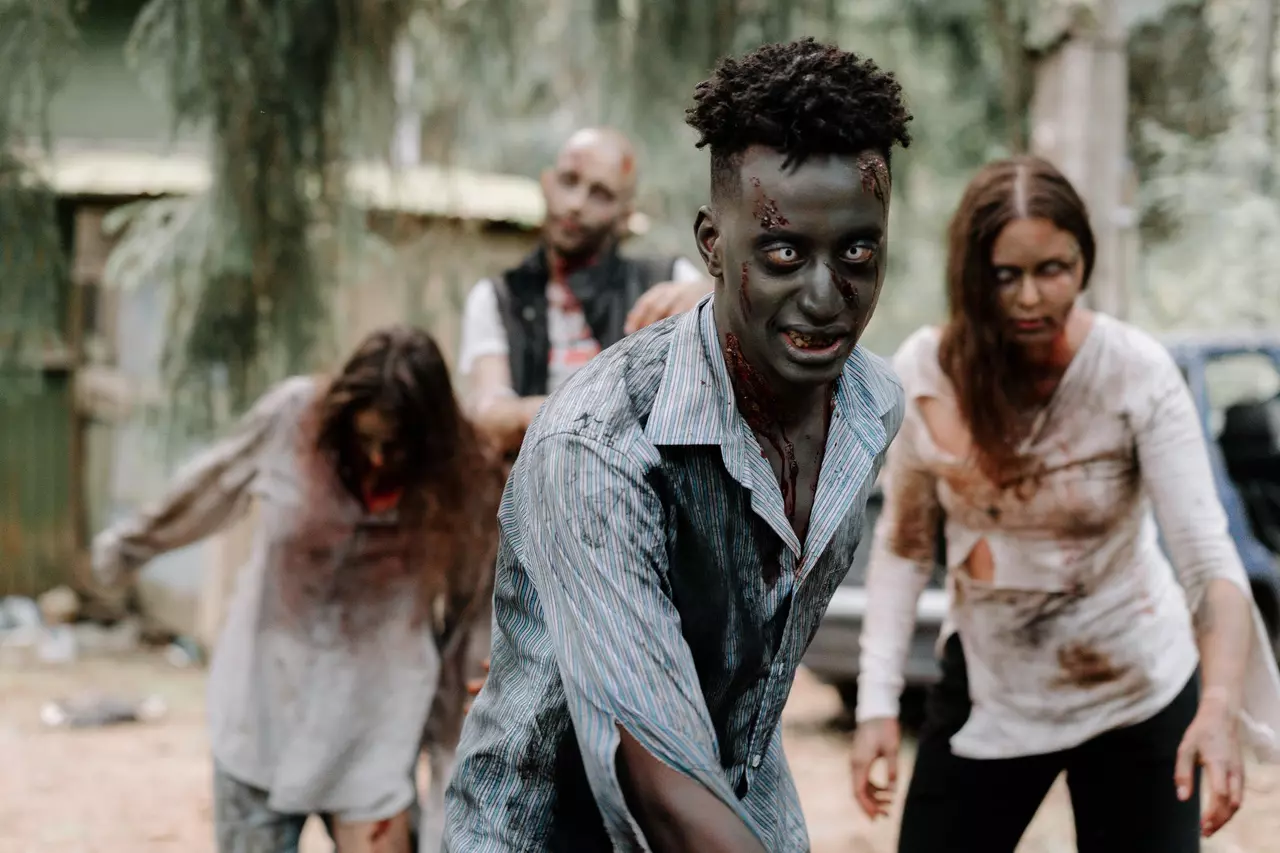
Zombies
The origin of the term “zombie“ lies in Haitian folklore, where Voodoo priests would reanimate corpses and control them. The idea of the undead in literature was introduced to the western world in the 1929 book, “The Magic Island,“ written by author and explorer William Seabrook.