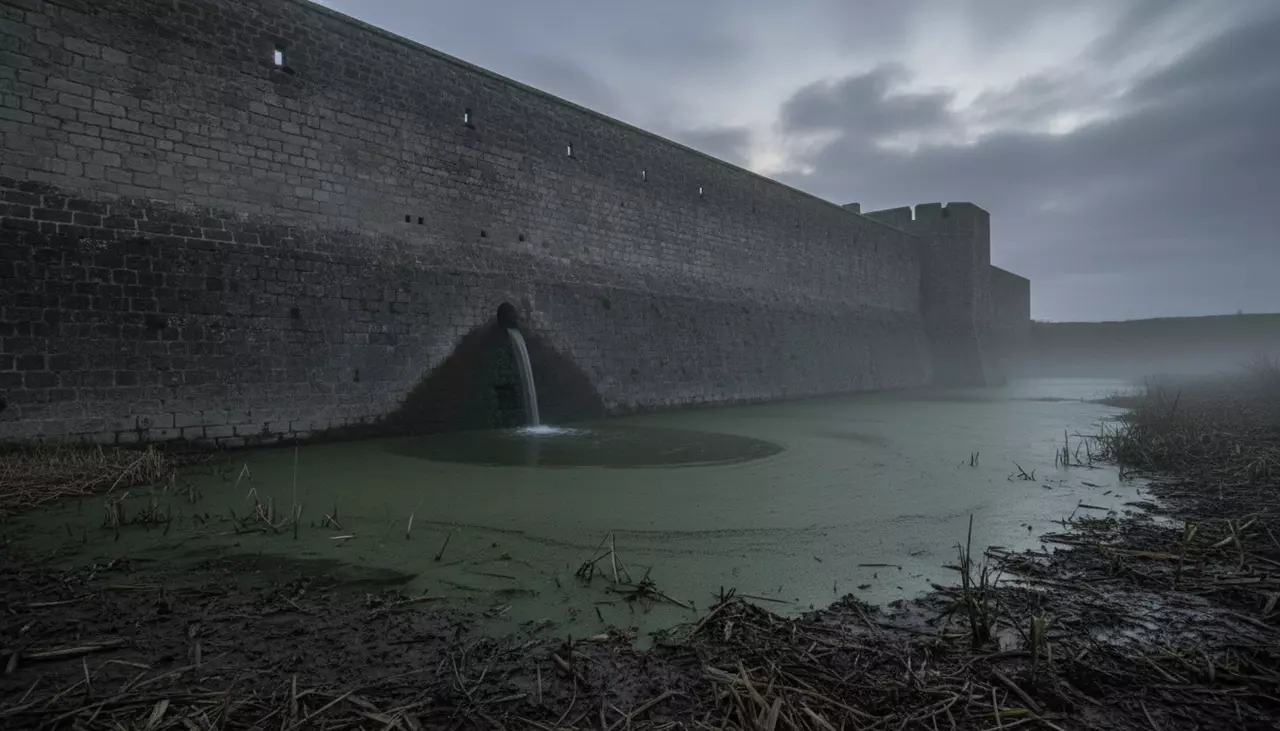


Castle life rarely resembled a fairy tale. High above the courtyards, stone fortresses relied on crude but effective gravity-driven plumbing. Projecting rooms handled human waste while creating unique architectural hazards. Wealthy lords enjoyed private stone seats while the poor used buckets. The grim reality of maintenance fell to specialized night workers who faced hazardous and foul conditions every single night. Swipe forward.
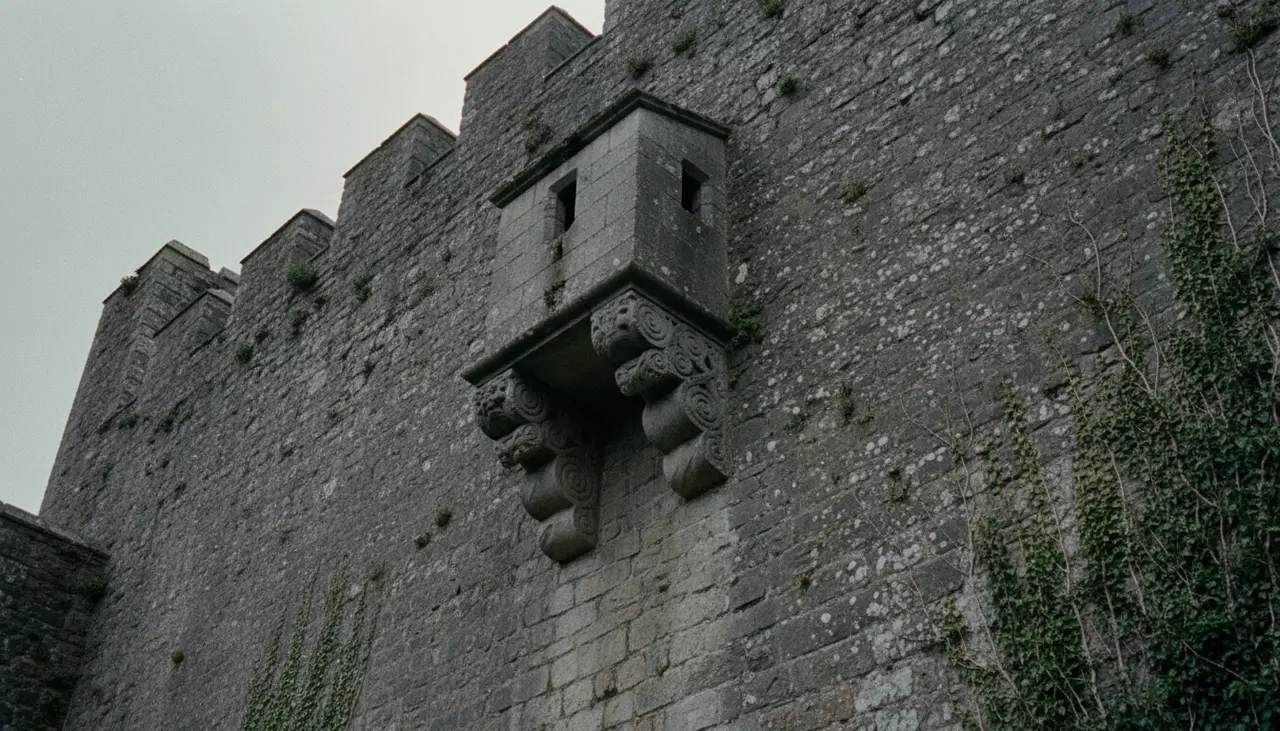
Small rooms projecting from exterior walls housed the medieval toilet. Masons supported these structures using heavy stone corbels. While wealthy nobles enjoyed the luxury of a private stone seat, commoners settled for communal latrines or simple wooden buckets.
The word garderobe literally translates to guarding robes. Seeking pest control, medieval elites intentionally stored expensive wool garments inside or right next to the latrine. Ammonia fumes rising from stagnant urine effectively killed moths and fleas. This pungent chemical reaction protected valuable textiles from insect damage.
Early medieval toilets consisted of basic holes carved into wood or stone. This crude setup created terrible messes. To stop human waste from sticking to exterior walls, architects eventually designed sloped masonry chutes. Gravity pulled everything down a long vertical drop. Builders at river-side castles simply allowed the refuse to fall straight into the running water below.
Monasteries engineered sanitation systems that easily outclassed royal castles. Monks constructed advanced communal latrine blocks called reredorters. Builders positioned these massive structures directly over diverted streams or natural rivers. The constant flow of water automatically flushed the waste away from the living quarters. This clever use of natural hydrology predated modern sewage concepts by centuries.
Massive cesspools at the base of castle walls required regular emptying. Lords hired specialized workers known as gong fermors to clear out the accumulated waste. Because of the hazardous and foul nature of the work, these men operated exclusively at night and earned significantly higher wages than average laborers.
Most vertical shafts emptied directly into the defensive moat or a dedicated stone cesspool at the base of the wall. This setup turned the water surrounding the fortress into a highly unsanitary barrier. Masons ensured the refuse stayed far away from the interior living quarters. Commoners avoided these projecting rooms entirely and used simple buckets.