
The Savory Fragrance Revolution
AI FOTOSCAPE

The Savory Fragrance Revolution

Sweetness has lost its grip on modern perfumery and these days, scent designers are replacing familiar scents with with raw grains, cold stone and wet earth. Continue swiping to discover these savory perfumes.
The Death of the Cupcake

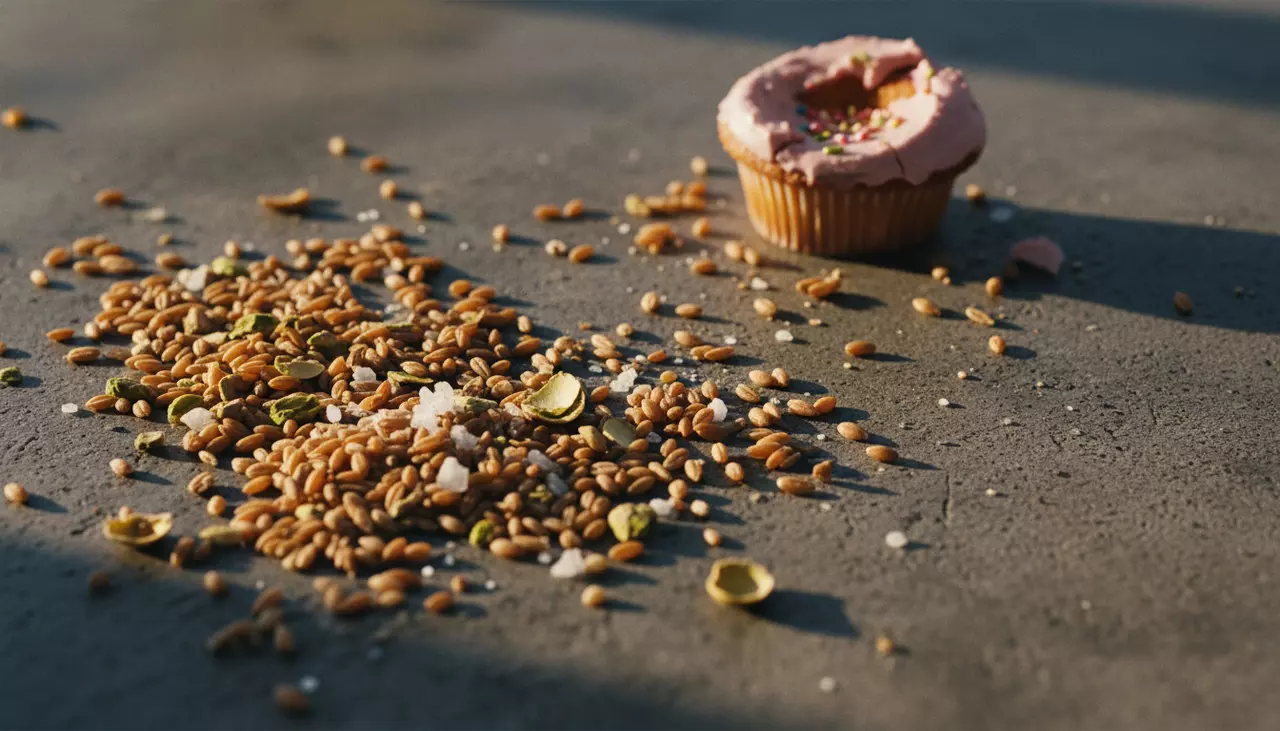
Fragrance Industry expert Arnaud Guggenbuhl of Givaudan notes that the gourmand category now departs from sugary-sweet mixtures to embrace ground-up, savory compositions like toasted pistachio, salt and grain. Consumers crave raw, tactile textures on their skin. Prestige fragrance data shows that buyers build diverse scent wardrobes to express these earthy culinary profiles instead of relying on flat, one-dimensional vanilla.

Starch & Grain-Led Accords

Instead of relying on floral bases, modern scent designers turn to the familiar starch of daily food staples. For example, niche fragrance house d'Annam isolates the warm, comforting steam of cooked jasmine grains to keep its signature blend lean and genderless. To capture an even more tactile sensation, Diptyque L'Eau Papier mixes toasted sesame with musk to bottle the direct aroma of wet ink. The final result leaves a quiet trace of warm cellulose on the skin.

High-Contrast Mineral Accords

Perfumers now look to the earth to bottle the scent of cold stone. When Jean-Claude Ellena introduced a synthetic flint accord in Terre d'Hermes in 2006, he famously rubbed river rocks together to capture the static, metallic spark of their physical collision. Without the ability to extract natural oils from concrete or clay, perfumers must combine synthetic ozone, salt and earth accords to mimic sheer cliffs. These mineral-heavy musks blend air-dried linen elements with cool aquatic molecules, leaving a crisp, stone-washed freshness behind.

The Herbaceous & Vegetal Garden

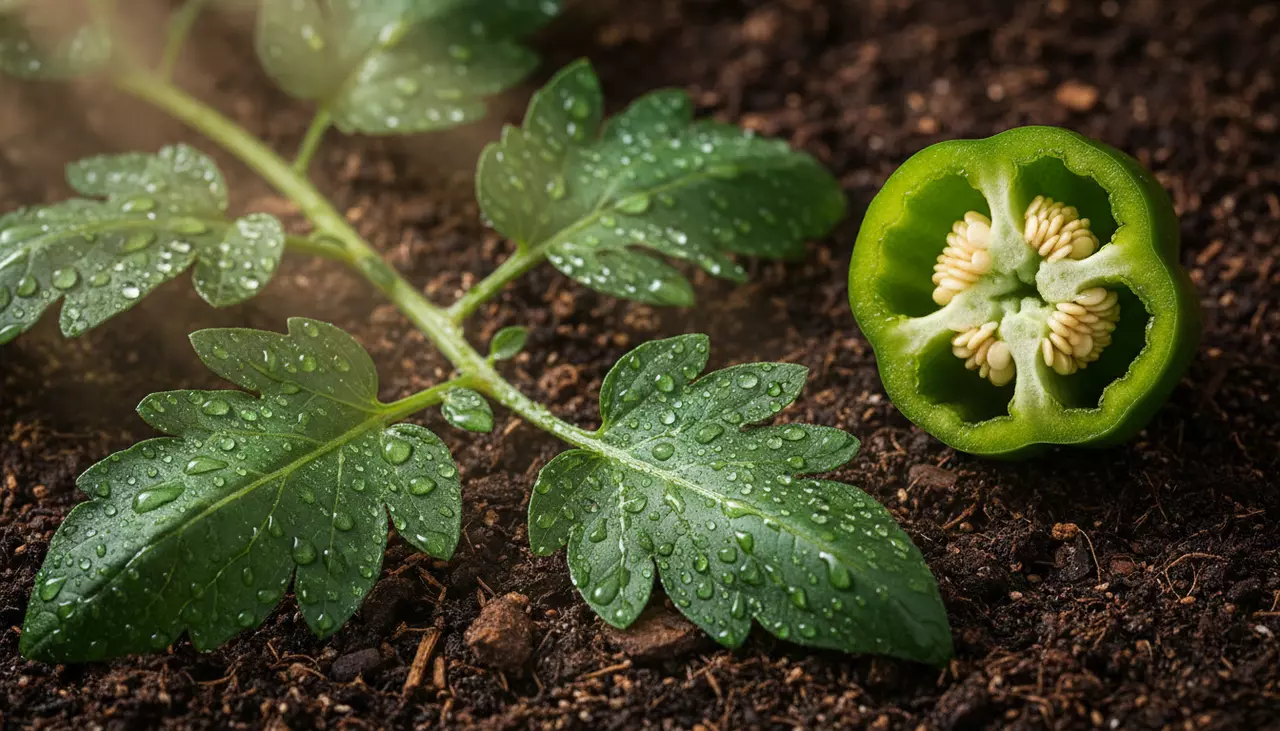
Modern fragrances step straight into the wet soil of the backyard. To recreate this damp garden aroma, Replica From The Garden by Maison Margiela blends sharp tomato leaf and warm patchouli with green mandarin. Scent designers also capture savory kitchen gardens, like Bistro Waters by D.S. & Durga with its bell pepper, or Versatile Paris's pesto-heavy Rital Date. By resting these crisp herbs on soft musk bases, perfumers achieve a dirty, hyper-realistic finish that honors real earth.

Ancient Reconstructions

By looking backward, scent historians uncover ancestral recipes that entirely bypass sweet notes. Reconstructions of Egyptian royal perfumes reveal that heavy vegetable extracts, pungent myrrh and sharp cardamom protected the skin against the intense Nile heat. In Mesopotamia, analyses of 4,000-year-old cosmetic jars show that early creators relied on rich sesame oil and crushed, roasted seeds. Roman unguents similarly utilized acidic green olive oil extracts called omphacium, while modern experimentalists use yeast-derived molecules to reconstruct the sourdough bread of ancient Pompeii.

Recommended For You.