
Even though most humans regard insects as annoying pests, there is admittedly something fascinating about really big ones. Can you imagine, for example, encountering a bug that’s as long as your arm?
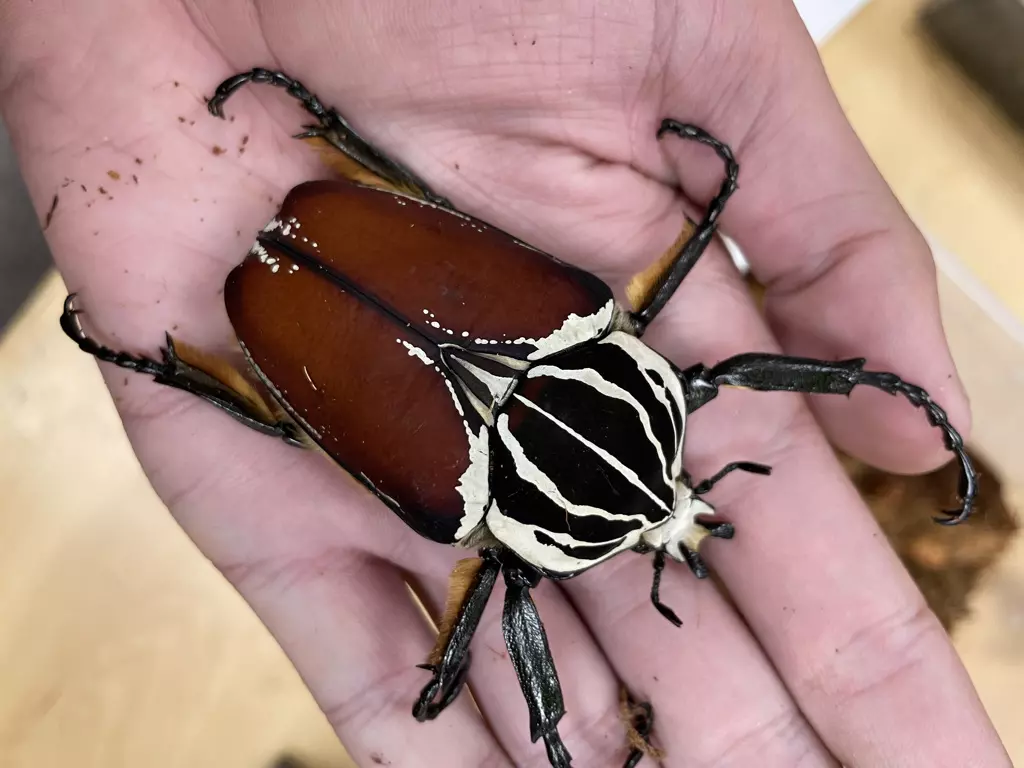
Goliath beetles claim the title of heaviest insect in the world in their larval stage, weighing up to a staggering 100 grams (3.5 ounces). By the time they’re adults, these West African giants have shed nearly half that weight but still reach an impressive four and a half inches in length. Like many beetles, they’re also exceptionally strong, boasting the ability to carry 850 times their weight.
The title of the longest insects in the world belongs to the stick bug order, Phasmatodea. There are several species within this group that are very close in length, but the longest specimen ever described belongs to an unnamed species first discovered in China in 2014. It was measured at an astounding 64 centimeters (25 inches), about the full length of an adult human’s arm!
Photography: Wikimedia Commons/Bernard DUPONT from FRANCE
The genus of damselflies that make up this group of insects include the longest wingspans of any bug. The male blue-winged helicopter’s stunningly patterned wings can reach up to 19 centimeters (7.5 inches) from tip to tip, making this insect relatively easy to spot in its preferred moist forest habitat of South and Central America.
These massive New Zealand natives are the heaviest adult insects ever recorded, with one verified specimen coming in at a whopping 71 grams (2.5 ounces). Though members of the cricket and grasshopper order Orthoptera, giant wētās are unusually flightless but typically nocturnal. Unfortunately, their inability to fly makes these insects especially vulnerable to predators and most individuals are found on islands with introduced mammals such as rats and domestic cats.
Photography: Wikimedia Commons/jokertrekker
Giant water bugs may be the only true bugs (a subset of the larger class of insects) discussed here, but they also may be the largest aquatic insects in the world. Found in freshwater ponds all around the world, these critters can grow to lengths of 12 centimeters (5.7 inches) and beyond. Though harmless to humans unless provoked, giant water bugs are predators that subdue their varied prey using a sharp bite and painful venom. Some species’ females in this group lay their eggs on the male’s back, while others lay them on dry vegetation.
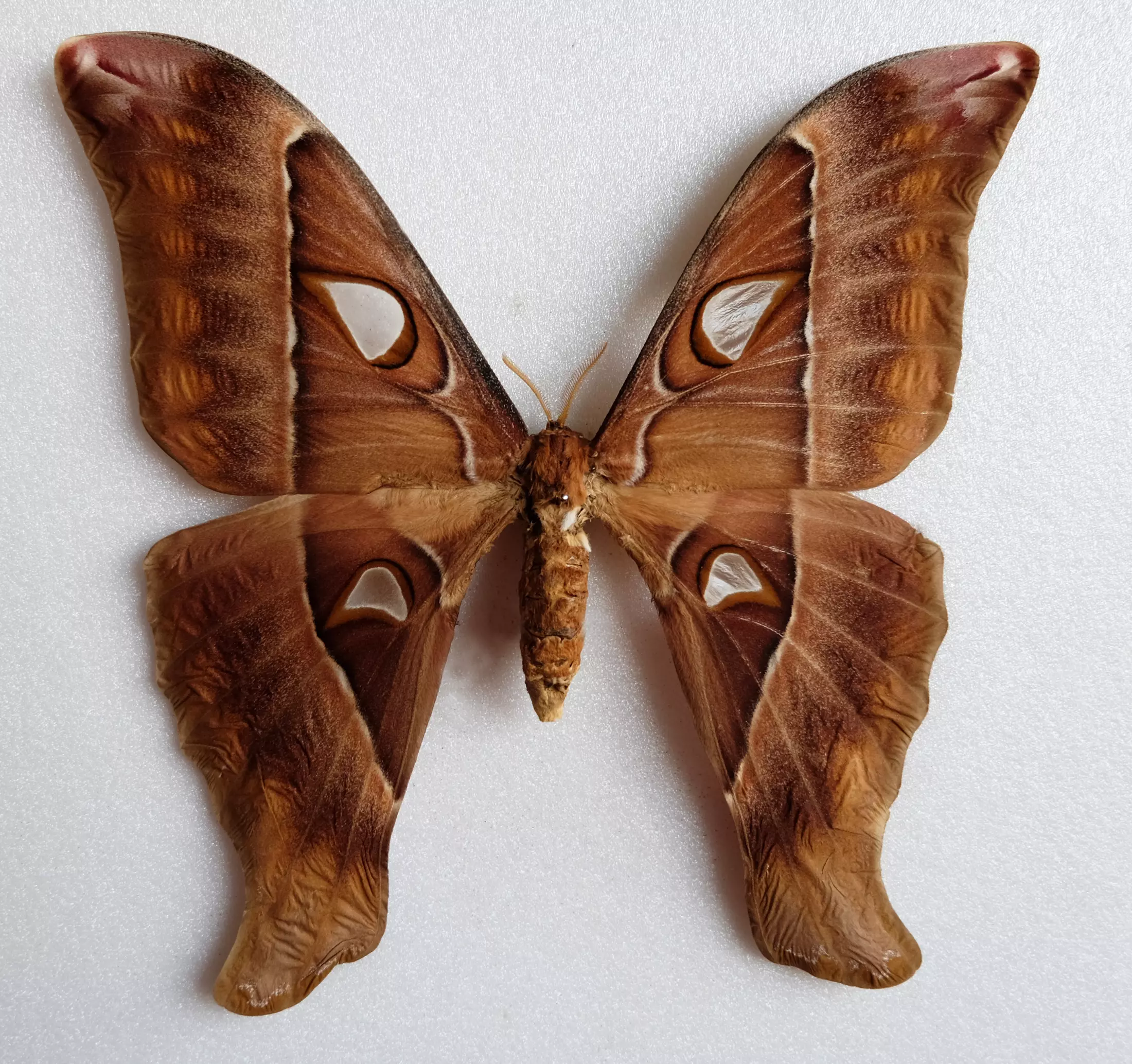
With velvety brown wings that are as gorgeous as they are enormous, Hercules moths are a real showstopper in their native range of southeast Asia. These moths, which may easily be mistaken for birds on size alone, have the largest wings by area of any insect. All that size and beauty comes at a price, however: adult Hercules moths have no mouths and only live in this stage for up to two weeks, with their only goal being finding a mate and reproducing before dying.
With a name that combines two predators that are not insects, tarantula hawks sound intimidating before even learning that these are the largest wasps on earth with an excruciatingly painful sting to match. They use this sting, which renowned entomologist Justin Shmidt ranked as second worst (behind only the bullet ant) and described as, “blinding, fierce [and] shockingly electric,” to immobilize tarantulas and then lay their eggs on the spider for the young larvae to eventually eat while it is still alive.