
Roma transformed real Mexico City addresses into filmed memories. This photographic tour compares film stills with current photos of its most iconic locations: Tepeji, Kinder Condesa, La Casa del Pavo, and the Metropólitan. Swipe to explore.
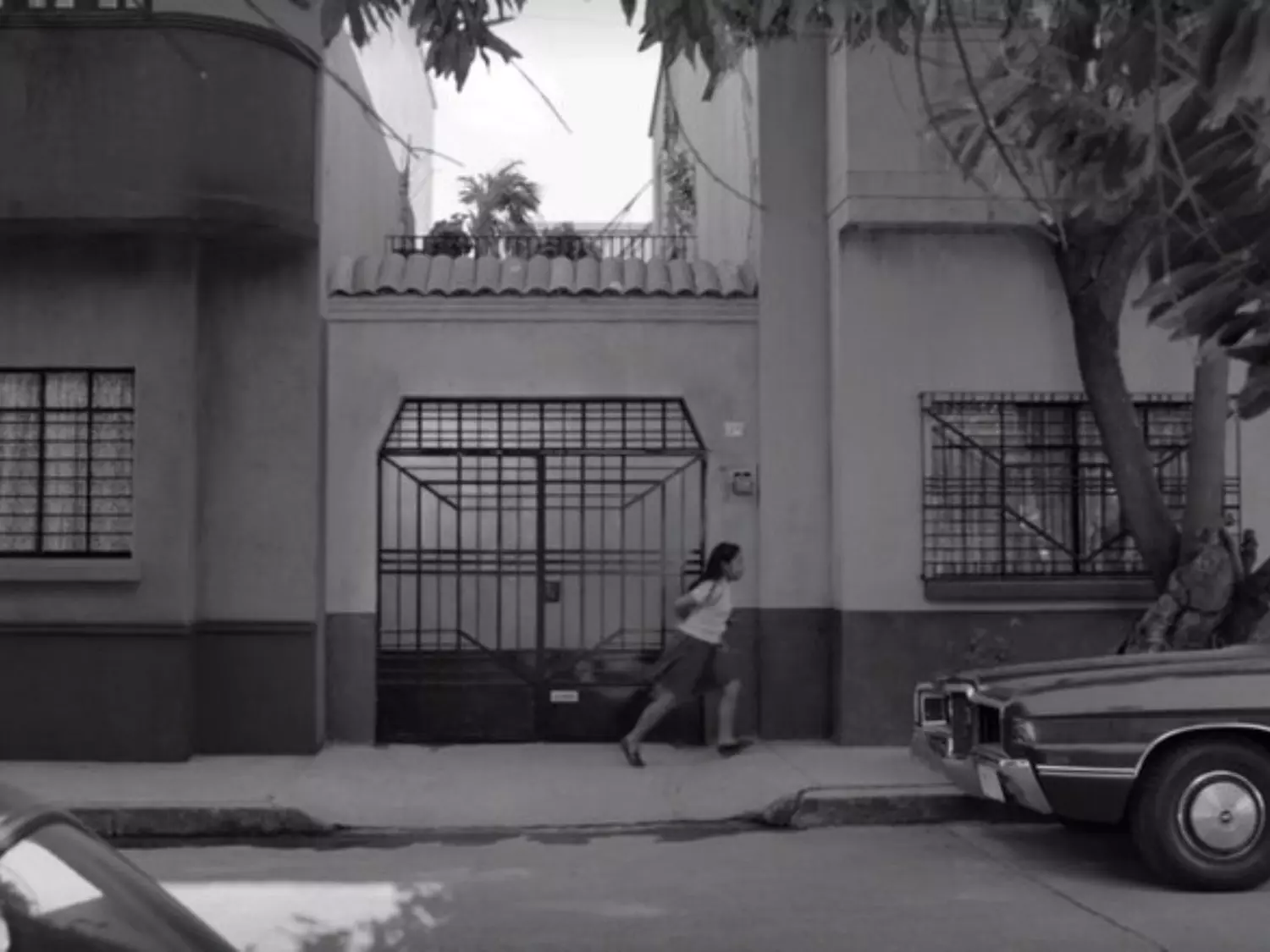
Tepeji is the street where we see the exterior of the family's house and the gate that becomes familiar from the very first minutes. It's where people come and go, where the neighborhood's routine unfolds, and that feeling of "coming home" that underpins the entire story. That's why it ended up being the most recognizable area in Roma.
Photography: Netflix
In real life, Cuarón grew up in that area and the production chose a nearby facade because of how the light entered the building. They also adjusted visible details to bring them closer to the era, without changing the structure of the place. The street is still there, only now it has the pulse of the present.
Photography: Instagram/@aperturafilms
The Condesa Kindergarten appears in Roma as part of the family routine: picking up the child, crossing the street and carrying on with the day as if nothing had happened. Its simple, school-like facade becomes a landmark of the neighborhood, and the black and white allows lines, shadows and a sense of calm to take center stage. It's a small scene, but it helps anchor the story in a real place.
Photography: Netflix
Kinder Condesa, located at Tlaxcala 105, remains recognizable for its proportions and neighborhood presence. In recent photos, more signs, cars, and movement are present, altering the overall feel of the frame. The building, however, retains its original visual character.
Photography: Instagram/@sergio_romgtz
The Turkey House appears when Cleo and Adela leave their neighborhood and enter the Historic Center, in a moment of simple routine that contrasts sharply with what follows. The place serves as a daily respite, bustling with activity, tables, and conversations. On screen, this ordinariness makes the city feel more real and relatable.
Photography: Netflix
On Motolinía Street, the establishment is easily recognizable for its traditional character and the constant flow of people. Comparing it to the modern street often reveals additional layers: signs, pedestrians, a sense of urgency. The essence remains, even though the surroundings appear more congested.
Photography: Instagram/@jarovinsky
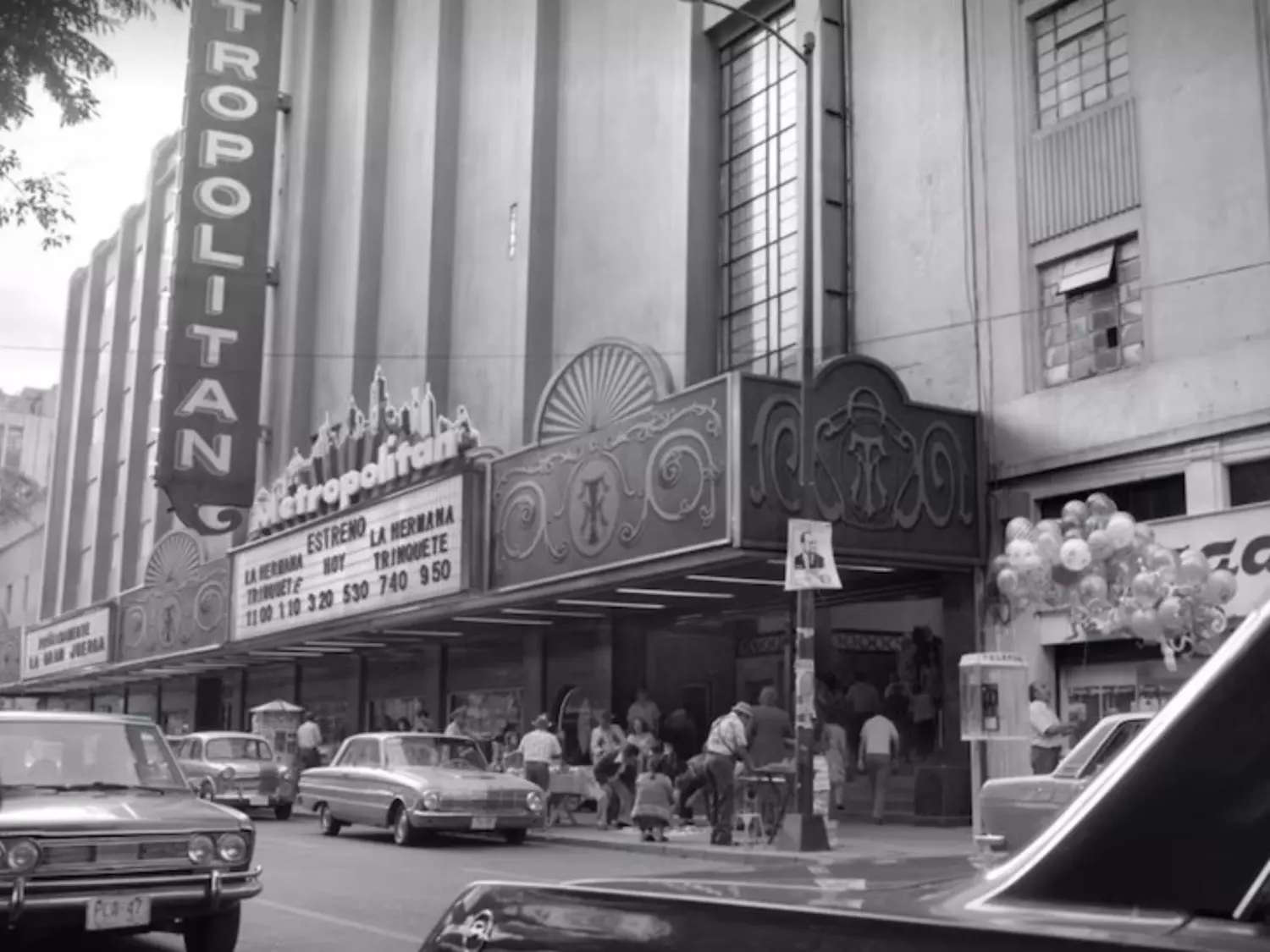
The Metropolitan Theater appears to underscore the Mexico City of entertainment and public life that surrounds the intimate world of the house. Its Art Deco façade lends scale and a sense of era, as if history were momentarily stepping outside the neighborhood and encountering a larger city. In black and white, its lines and shadows feel almost like a collective memory.
Photography: Netflix
On Avenida Independencia, the Metropolitan remains a strong visual landmark, even though the surrounding area feels more modern. In recent photos, the changes are usually all around: — signs, traffic, streetlights. The building itself seems to stand as if time has simply passed by.
Photography: Instagram/@grupolaleyenda