Prepare Your Vegetable Garden for Winter
FotoSCAPE

Prepare Your Vegetable Garden for Winter

By the time late autumn rolls around, you might be experiencing a bit of vegetable garden burnout, but don’t hang up the gloves yet. A bit of time putting the garden properly to rest means it’ll be healthy and ready to go come springtime. And taking care of winter veggies is just as important as caring for summer crops.
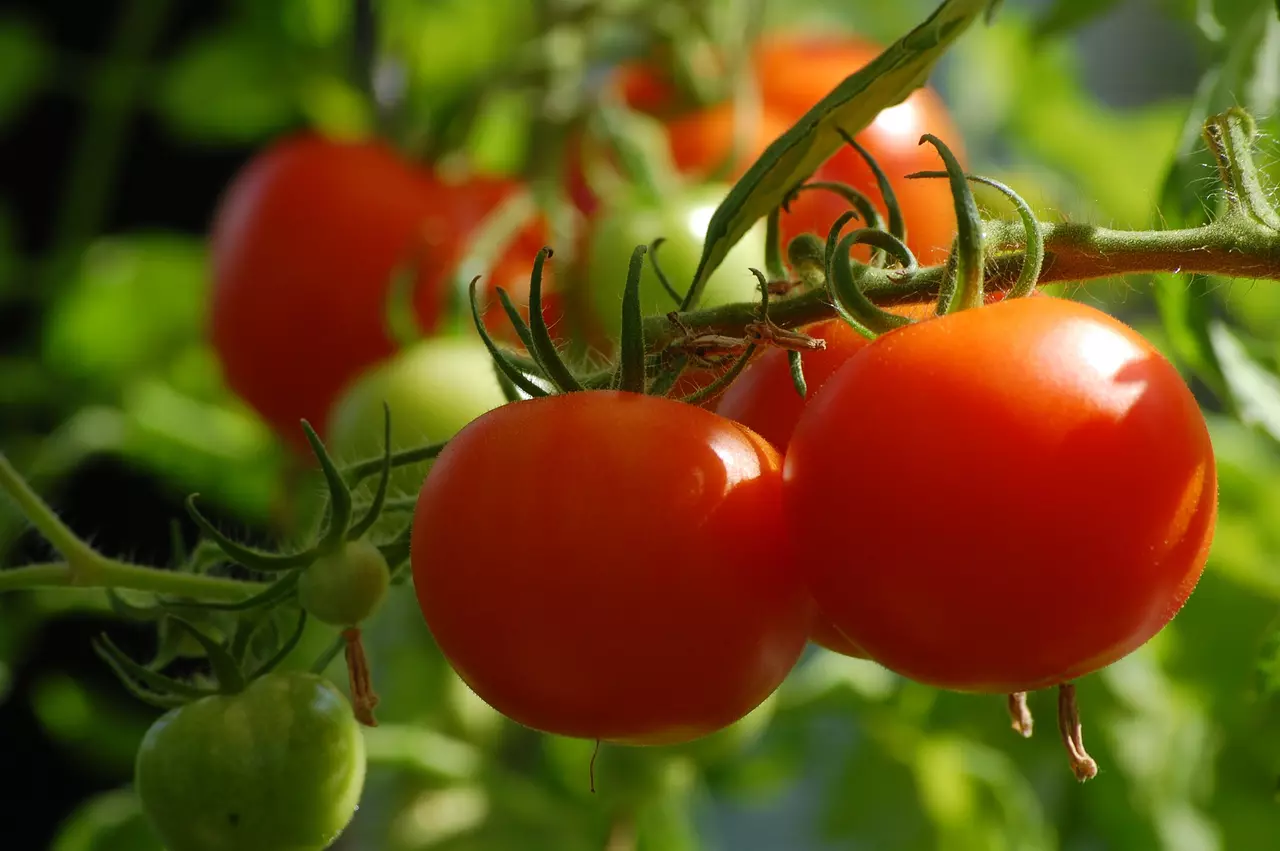
Tomatoes, zucchini, beans, winter squash, pumpkins and peas fall into the category of frost-tender vegetables — harvest them now. Other vegetables, however, you can leave in your garden. Kale and collards actually taste better after one light freeze. Brussels sprouts can typically overwinter, and Broccoli and spinach may survive winter, too.

Add coverings to protect winter crops, if necessary. Row covers or cloches will get the job done. You can find these protective covers ready made or build them yourself.

Photography: Amazon

Pull out plants you know won’t survive winter and add them to your compost pile. Remove dead leaves and stems and pull out any weeds and dispose of them. Turn your soil to aerate it.

Believe it or not, late autumn is actually the best time to add compost to your garden beds. Thoroughly mixing in fresh compost—whether purchased or homemade—allows the soil to soak in the nutrients over winter.

If you have raised beds, fall is also the time to make any necessary repairs. Replace or reinforce any weak boards. If grass is pushing up against the sides of your raised beds, pull it away to allow better airflow to the garden. Clean up any paths you have around your vegetable garden.

Whether you’re growing winter crops or not, mulch your beds. Mulch protects plant roots, if they’re there, but it also provides a warmer environment for worms and microbes, improving its health. Mulching also discourages weeds.

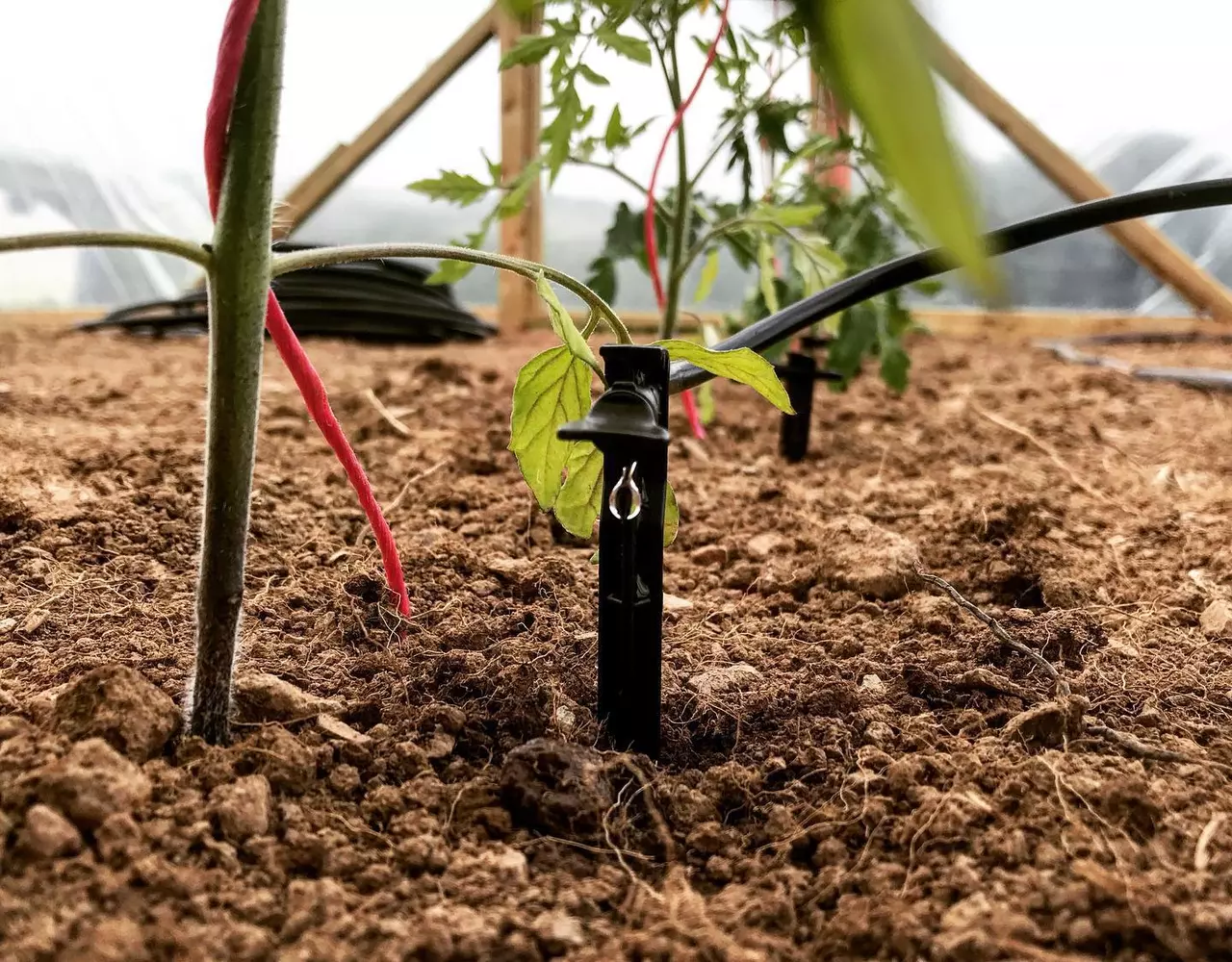
When all’s done and dusted, and before temperatures regularly dip below freezing at night, turn off and drain your irrigation system (use an air compressor to force water through the lines). You don’t want to water unnecessarily and you don’t want to risk burst or cracked components by leaving water in the lines.

Photography: Instagram/@the_hairy_horticulturist

Recommended For You.