
Former executive accuses Mayo Clinic of cutting corners on AI research
A former leader at Mayo Clinic is suing the hospital system, alleging the Rochester, Minnesota-based health care provider recklessly cut corners to stay competitive in the fast-moving field of AI research. Traci Tamiko Eto, Mayo’s former director of research operations, claimed she was wrongfully terminated last year after raising concerns that lax safety standards could result in AI tools ...
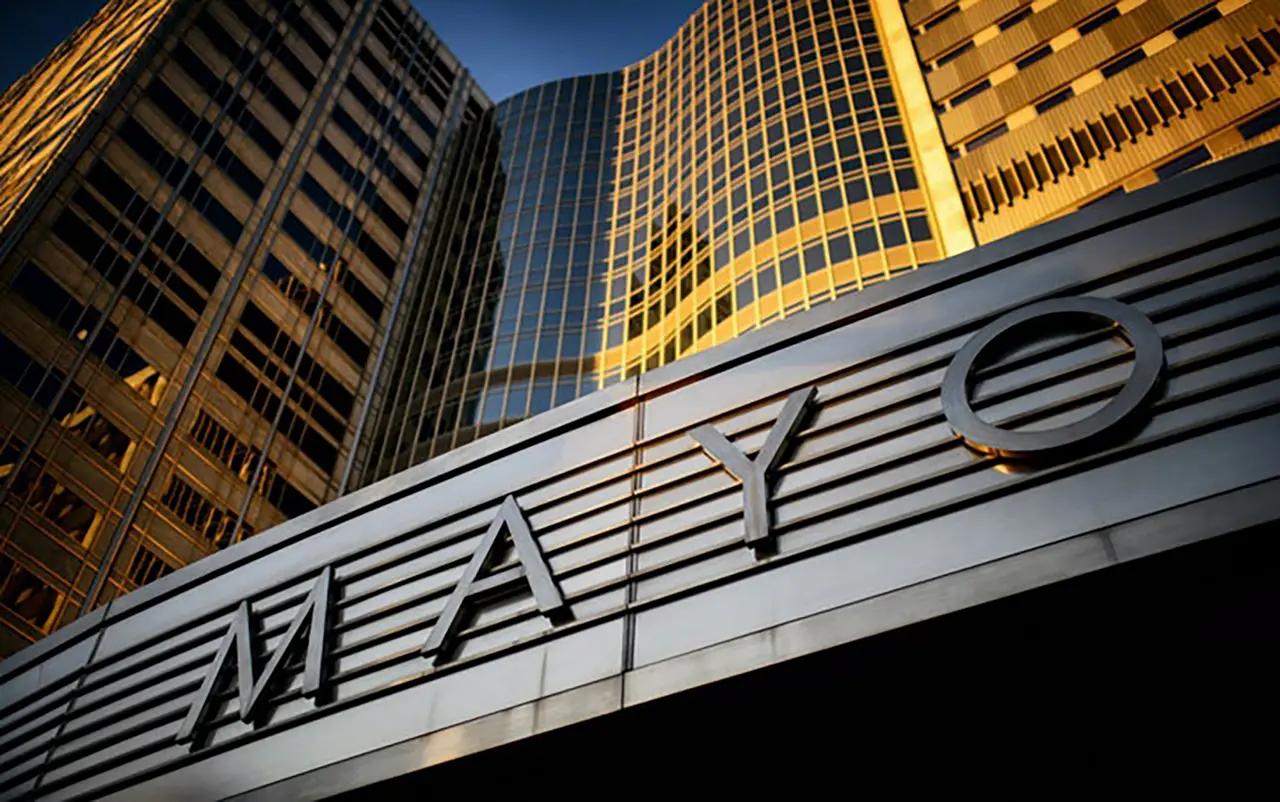
The Mayo Clinic's Gonda Building in Rochester, Minnesota, in 2014.
Glen Stubbe/The Minnesota Star Tribune/TNS
A former leader at Mayo Clinic is suing the hospital system, alleging the Rochester, Minnesota-based health care provider recklessly cut corners to stay competitive in the fast-moving field of AI research.
Traci Tamiko Eto, Mayo’s former director of research operations, claimed she was wrongfully terminated last year after raising concerns that lax safety standards could result in AI tools that make faulty medical decisions or fail to protect the privacy of medical records on which their decisions are based.
Mayo in a written statement this week said that it doesn’t comment on active litigation but that it is “committed to the responsible development and deployment of AI, with privacy, security, transparency and compliance embedded throughout our processes.”
The lawsuit comes amid an explosion of AI usage in health care that is helping doctors with everything from notetaking to diagnostic evaluations of test results and imaging scans — but also broader concerns over the accuracy of AI tools and privacy of patient data.
The lawsuit, filed Monday in U.S. District Court in Minnesota, accuses Eto’s superiors of manipulating the oversight process for medical research, which typically relies on independent institutional review boards (IRBs) to set the conditions by which studies can take place safely and ethically. Having an independent entity make those decisions is supposed to remove bias from research studies, but the lawsuit claims Mayo leaders in some cases pressured IRBs to approve studies, steered research proposals to IRBs that aren’t as stringent, or just bypassed IRBs and green-lighted research on their own.
“The IRB process is absolutely critical to research integrity, and it’s also absolutely critical to patient privacy and to patient safety,” said Artur Davis, an employment law attorney representing Eto. “And if that process is not working the way it’s supposed to, you literally have garbage in, garbage out, potentially.”
The health system has positioned itself as a global leader in the development of AI technologies and tools to guide health care decision-making. A conference last month featured numerous studies by Mayo researchers about whether AI tools could predict cognitive declines in patients, assess the severity of head and neck tumors, or even predict tantrums in children with behavior disorders.
Davis said Eto was a “rising star” when Mayo hired her in 2023 to oversee the ethics and integrity of its AI-related research. But supervisors stripped her of authority and leadership after she raised concerns, including about the Mayo Clinic Platform that uses vast amounts of de-identified data to try to create better diagnostic tools and help doctors make faster and safer decisions for patients. Eto questioned whether Mayo had taken the proper steps to ensure patient data remained private.
Eto suffered depression and needed time off as a result of the work stress, the lawsuit alleges. When she returned to work, she was given weeks to find another role at Mayo or be terminated. The lawsuit also alleges Eto was largely responsible for the creation of one AI tool, but that Mayo de-emphasized her role in a patent application in a way that could limit her earnings from its commercial usage.
Specific allegations in the lawsuit include that Mayo researchers tried to cover up or ignore research results showing that the health system’s MAYA digital assistant tool had a 67% error rate. In a separate situation, Eto claimed she opposed the use of a high-risk investigational medical device for a cardiac surgery because it hadn’t been properly vetted by an IRB; she said her supervisor ignored her objection and approved the use of the AI-enabled device for a surgery in another country.
The case sets the stage for another public showdown between Mayo, which is the state’s largest employer, and one of its current or former researchers.
A jury earlier this year dismissed claims by Dr. Michael Joyner that Mayo leaders had overstepped by trying to stifle his comments about the government response to the COVID-19 pandemic. Joyner last month sought a new trial.