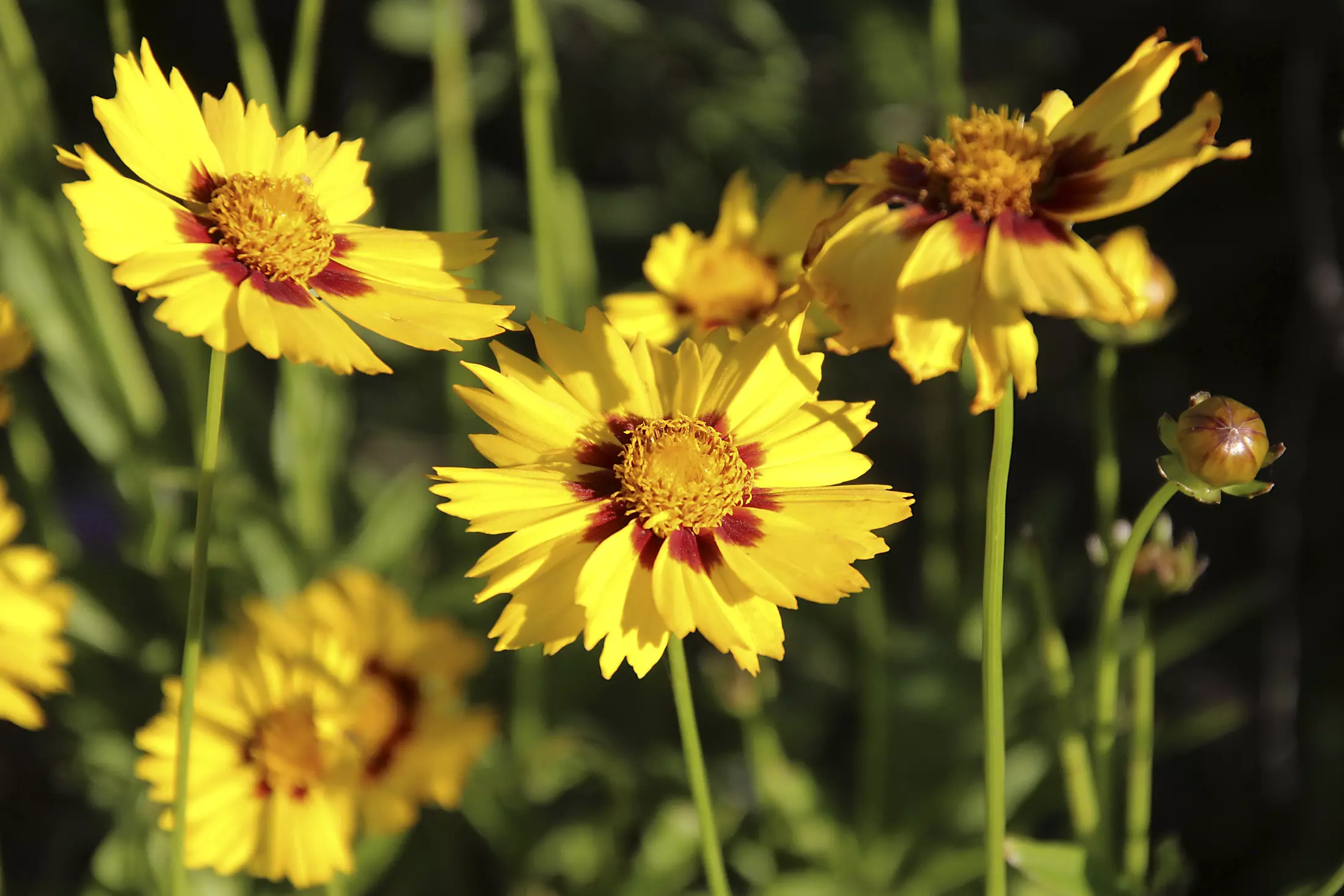

Would-be gardeners who must endure blisteringly hot summers might wonder if it’s possible to get anything to grow. Yes! There are plenty of plants that thrive in the heat!
Swipe through to learn about plants that can take summer heat.
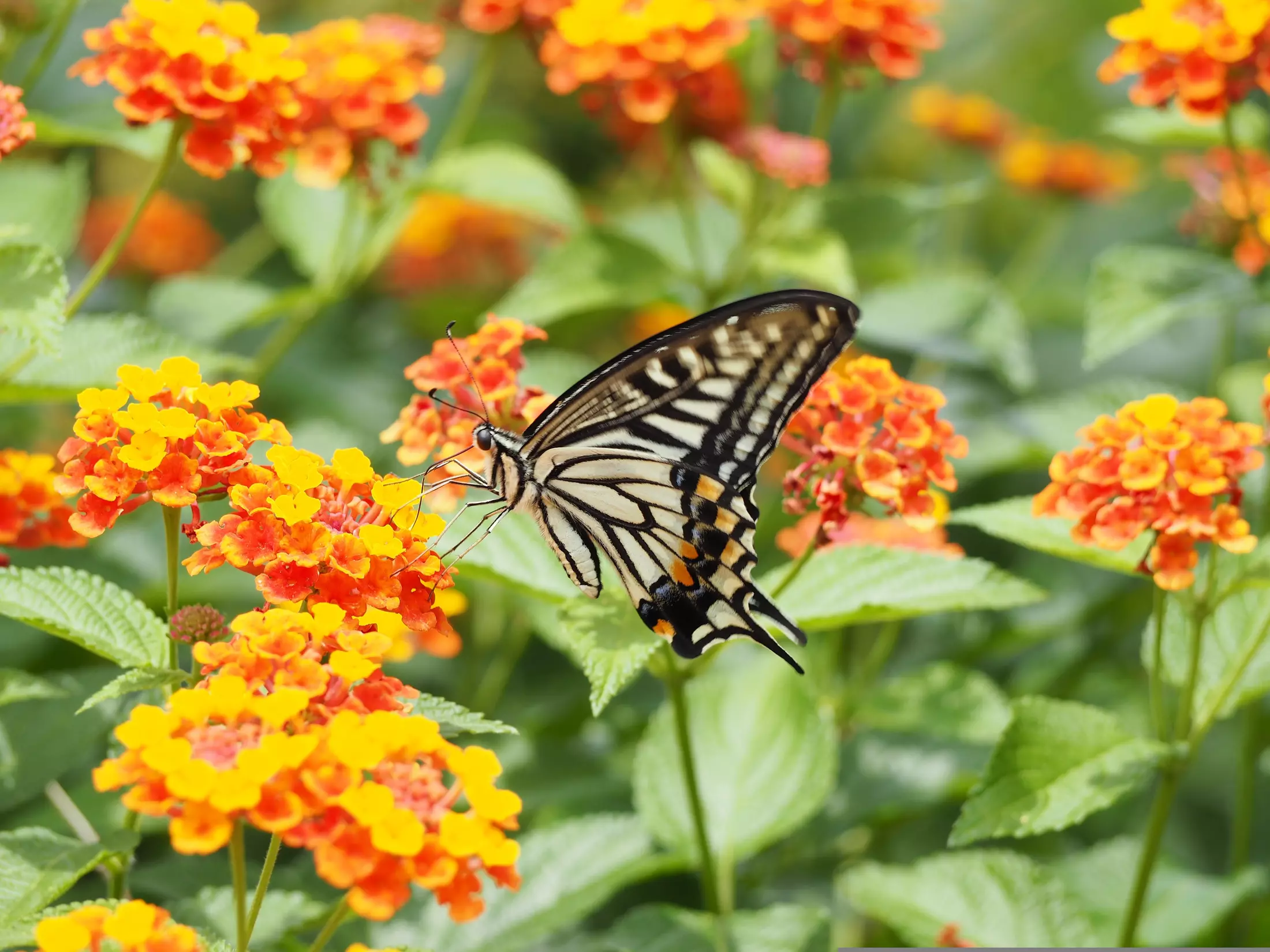
This sprawling plant produces masses of adorable flower clusters in yellow, purple, orange and yellow, white or pink and gold. Preferring well-drained soil, it takes the heat with no complaints and is drought-tolerant, as well. Lantana attracts birds and butterflies.
If you’re going for a desert landscape, consider the architecturally amazing sotol plant. Native to Mexico and the southwest U.S., it can take both punishing heat and freezing weather. Its long, serrated leaves can be hard on the skin, though, so don’t plant it near pathways.
Photography: Pinterest/MasterClass
There are about a million salvia varieties to choose from, and many of them, such as Salvia greggii, thrive in hot temperatures. Many are also drought-tolerant. Check with local nurseries or your county extension service to see which type will thrive in your area.
Photography: Pinterest/James Lively
Also commonly known by its scientific name, echinacea, coneflower produces beautiful, daisy-like flowers on tall stalks throughout hot summers. You’ll find coneflower in red, purple, pink, white, orange and yellow. Plant them in full sun in well-draining soil. Water regularly until they get established, and then coneflower is fairly drought-tolerant.
Zinnias are easy-to-grow annuals loved for their bold, cheerful blooms and wide range of vibrant colors. Native to Mexico, these sun-loving flowers thrive in hot, dry conditions and well-drained soil, making them a reliable choice for beginner gardeners. Fast growing and long blooming, zinnias flower from summer through the first frost while attracting pollinators.
Several types of this popular shrub are available at local nurseries, and you can certainly find one that will take the heat. You’ll love the way the shrub’s white or cream-colored flowers stand off against the plentiful green foliage. Viburnum will tolerate a bit of shade, but will bloom best in full sun.
Photography: Pinterest
Coreopsis is a cheerful, easy-care flowering plant prized for its daisy-like blooms in shades of yellow, gold, pink and red. Exceptionally heat-tolerant and drought-resistant once established, it thrives in full sun and poor soils where many flowers struggle. Blooming continuously from early summer into fall, coreopsis attracts pollinators throughout the season.