Types of Poppies that Might Grow in Your Garden
FotoSCAPE

Types of Poppies that Might Grow in Your Garden

Poppies are stunning survivors, growing in freezing tundras and scorching deserts alike. Ranging from tiny blooms to 20-foot giants, these flowers are versatile. The key to success is simply finding the right type for your local climate.
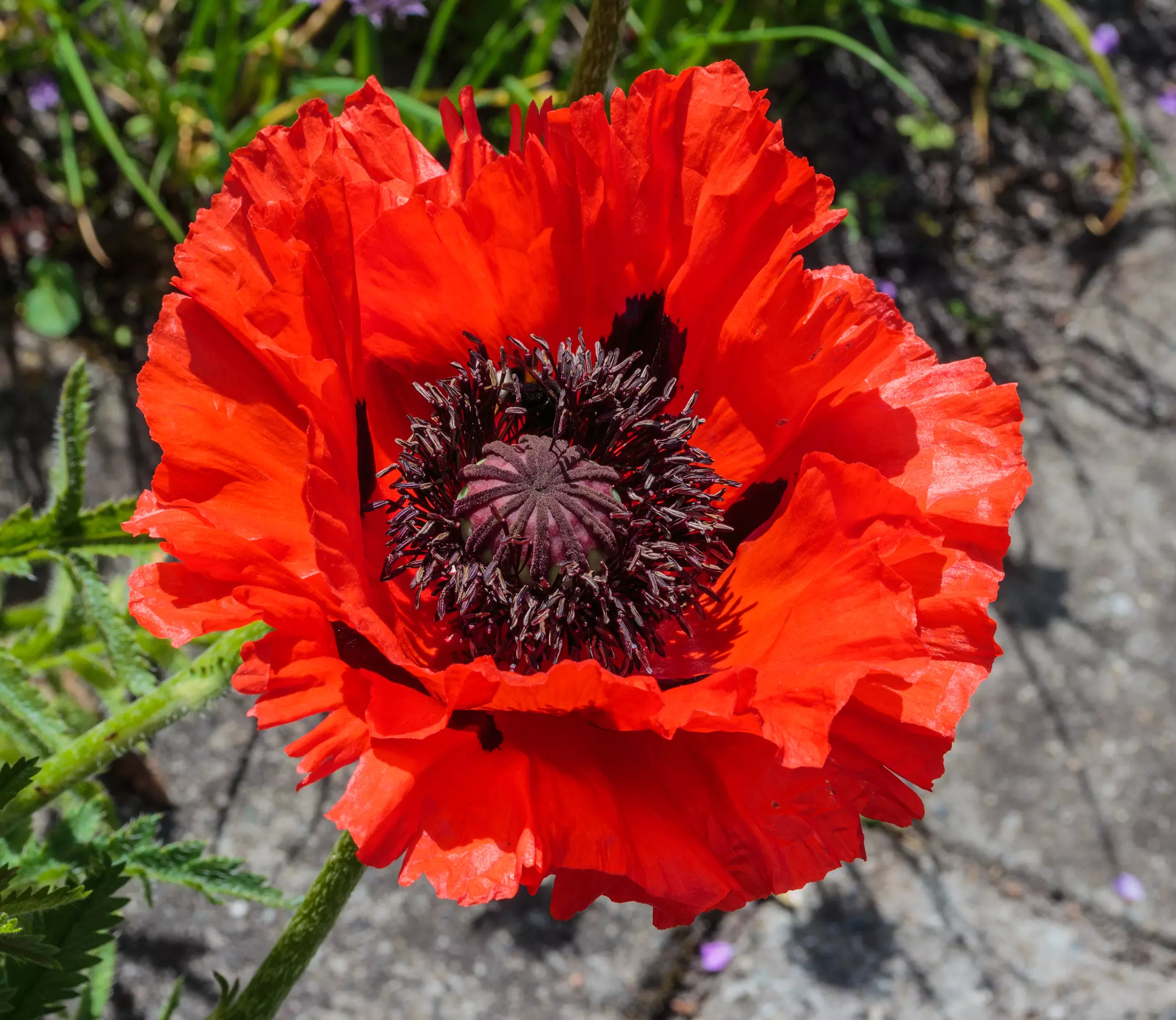
Oriental Poppy (Papaver orientale)

This type of perennial poppy prefers cooler temperatures, though they do need a full day of sun. Plant in fall or early spring. They’re drought-tolerant but will bloom better if they get an inch of water weekly.

Iceland Poppy (Papaver nudicaule)

Unsurprisingly, this plant thrives in cool climates and is native to arctic regions of North America and Asia. Gardeners in the cooler climates of the northern U.S. can grow these poppies as annuals or short-lived perennials. They can take partial to full sun.

Mexican Tulip Poppy (Hunnemannia fumariifolia)

Also known as goldencup, this yellow beauty is native to the Chihuahuan Desert of the southwest U.S. and Mexico. It’s known for its heat and drought tolerance, but can be grown as an annual in colder climates. It can grow to 1 to 2 feet tall and wide.

Photography: Wikimedia via Creative Commons Attribution-Share Alike 2.5 Generic license

Himalayan Poppy (Meconopsis betonicifolia)

Gardeners in the Pacific Northwest might want to try the Himalayan poppy in their landscapes. This stunning blue poppy does well in partly shady conditions, and it needs moist, rich soil. It won't tolerate heat and humidity.

Photography: Wikimedia via Creative Commons Attribution 2.0 Generic license

Celandine Poppy (Stylophorum diphyllum)

This perennial poppy is native to the forests of eastern North America. It grows wild in these areas, but can be cultivated in home gardens if provided the right conditions. Sometimes called the woodland poppy, it prefers moist soil in shady areas, rewarding with yellow or yellow-orange flowers.

Red Poppies (Papaver rhoeas)

This is the flower immortalized in the poem “Flanders Fields” by Canadian physician Lieutenant-Colonel John McCrae. The red poppy has now come to symbolize soldiers who made the ultimate sacrifice during wartime, with people around the world wearing the poppy on their lapels on days of remembrance. Grow this plant in full sun in well-draining soil.

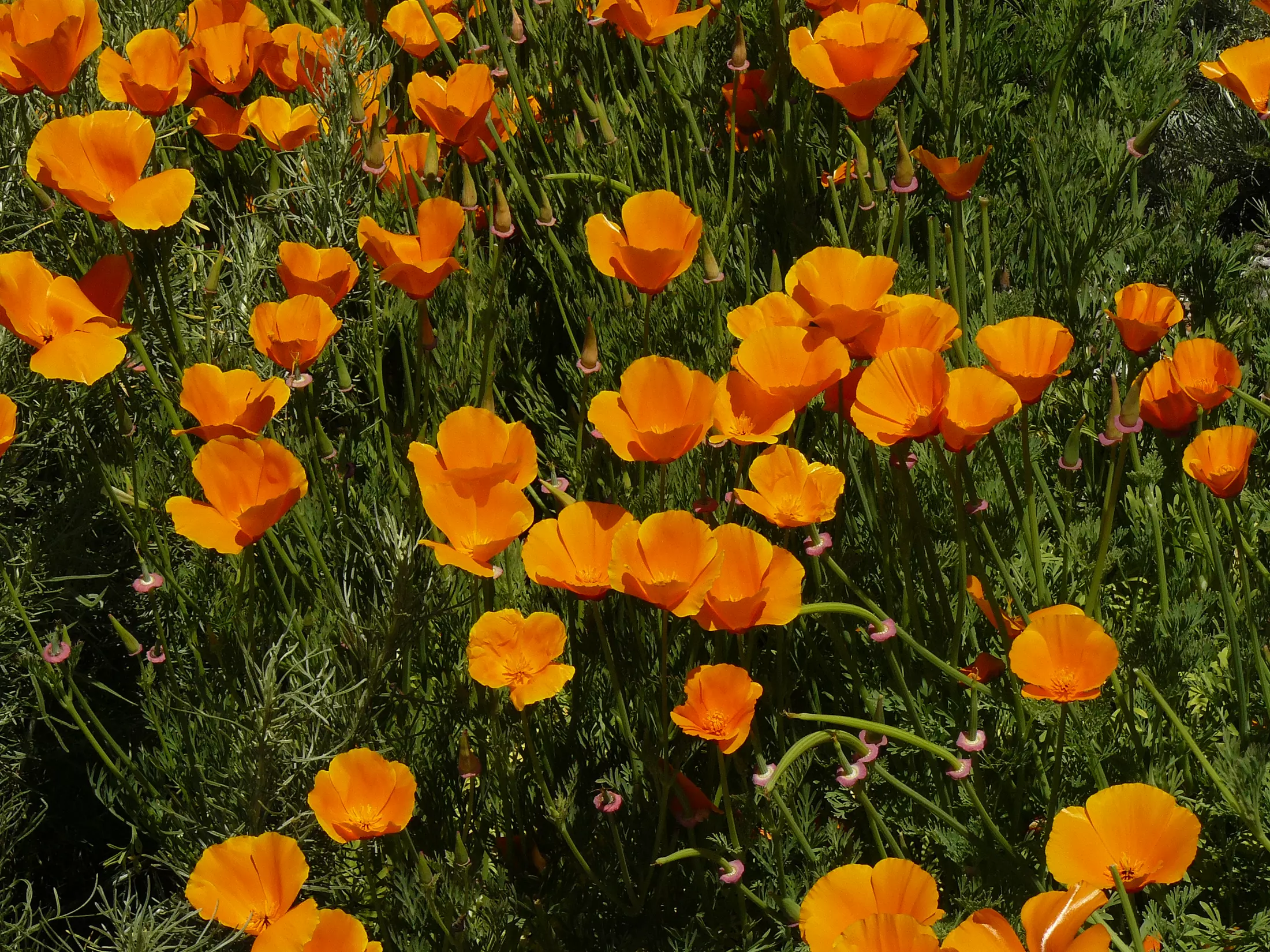
California Poppy (Eschscholzia californica)

Native to the Golden State and other parts of western North America, these drought-tolerant plants sprout pretty orange flowers on stalks 2 to 18 inches tall. They do well in full sun, and can take summer temperatures up to about 90° Fahrenheit.

Recommended For You.