
Fight over data centers is a once-in-a-generation grassroots movement
Texas is under siege by a new breed of mega development. Giant data centers are spreading across the state like fire ants at a picnic, only they're a trillion times bigger than the ants. These massive buildings raise concerns about water use, power consumption, noise and environmental impact. Grass-roots groups in opposition are springing up just as quickly, organizing neighbors, attending ...
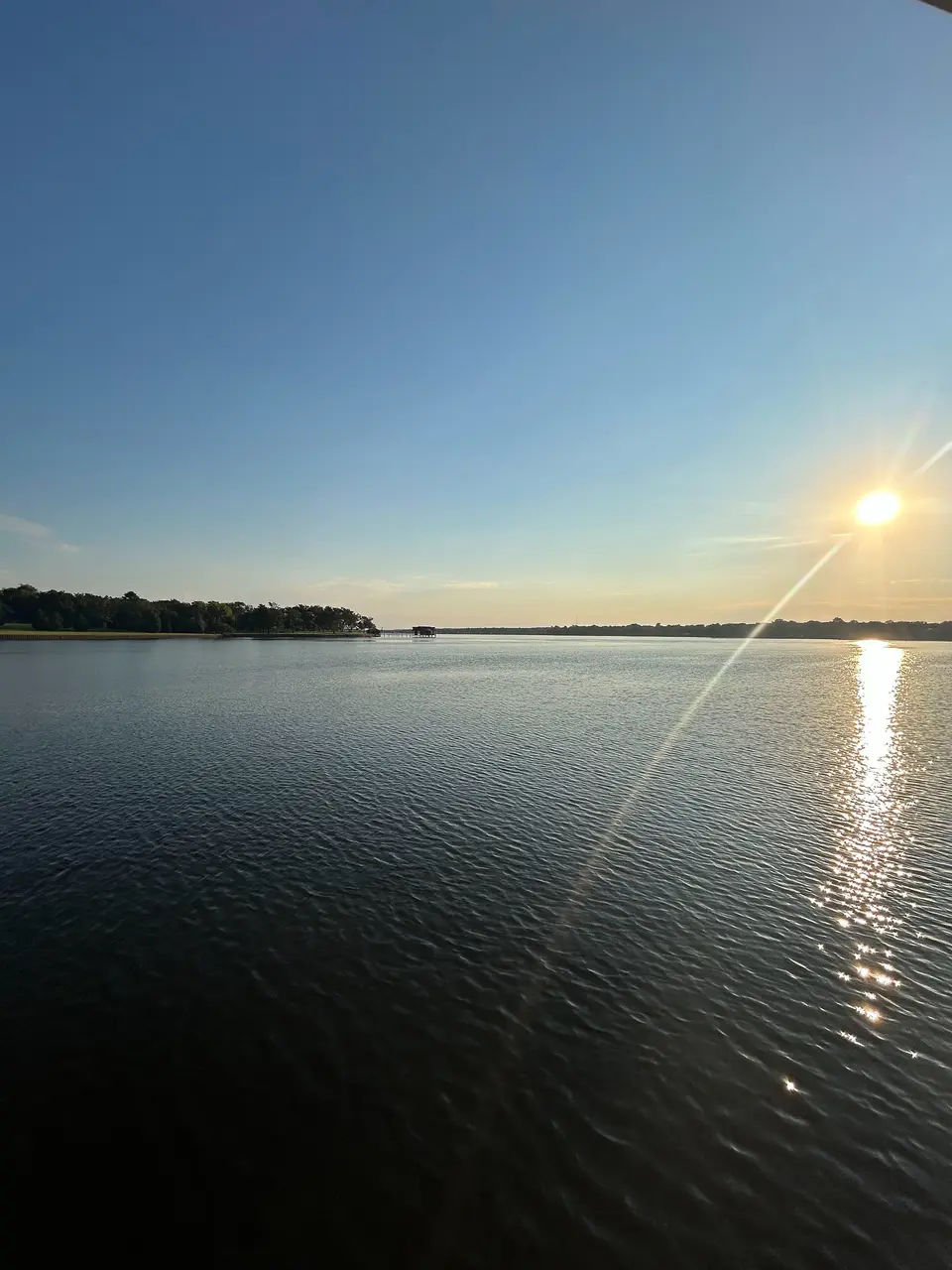
The sun sets over Cedar Creek Reservoir in Texas.
Gunnar Larsen/Dreamstime/TNS
Texas is under siege by a new breed of mega development.
Giant data centers are spreading across the state like fire ants at a picnic, only they're a trillion times bigger than the ants.
These massive buildings raise concerns about water use, power consumption, noise and environmental impact.
Grass-roots groups in opposition are springing up just as quickly, organizing neighbors, attending public meetings and building websites, which ironically travel through data centers to reach their destination.
"It certainly hit a fever pitch very quickly," says Dan Diorio of the Data Center Coalition, which represents the industry.
You can pick almost any county in the state and find the same story. Randomly, I picked Henderson County because of its beautiful Cedar Creek Lake. A company that helps build the data centers, Diode Ventures, has a dream of building a center less than 400 yards from the lake. Diode didn't respond to requests for comment.
Guess where the proposed center's cooling water would come from. If you guessed the nearby lake suffering from an extreme level 3 drought (lake is too low for boaters), you are correct.
The lake supplies water to Fort Worth, Arlington, Mansfield and other area cities. The Dallas Morning News Watchdog previously reported how the state offers huge tax incentives to lure companies to Texas.
What makes this difficult is that the proposed site is in unincorporated land next to a housing subdivision. Local officials have less control over unincorporated land. That's one of the statewide debates as companies take advantage of large loopholes.
Follow the money.
The battle between for and against isn't a fair fight. A political action committee funded by Meta/Facebook donated more than $1 million to top state leaders and lawmakers.
Politicians who feel the most heat from their constituents are from the smaller counties, which are reliably Republican.
What's a rural Republican to do?
Citizens' revolt
At Cedar Creek Lake, lawyer Ashley Cook has stepped up to help lead the charge. She is lending her services to her neighbors in the fight without charging them a fee.
Cook has filed open records requests and written to her neighbors and elected leaders.
An informative website — SaveCedarCreekLake.com — went live a few days ago, too. The site warns, "It would drain our water, burn natural gas around the clock and run 85-decibel cooling fans next door to bedrooms."
"We're killing ourselves letting the data centers in," Cook told me. "You're basically turning a rural residential peaceful community into an industrial corridor."
The West Cedar Lake Municipal Utility District says it can't deny water to legitimate businesses.
Countering that, the Henderson County Commissioners passed a resolution that appears to put data center projects on hold until the impact on the environment, water and power can be studied.
The resolution also stated companies should create their own power sources, rather than tap into the state's already fragile power grid.
Pressure state leaders
Is that enough?
Not when the coming 2027 Texas Legislature convenes. Will it create new regulations? Can it shake off all that Faebook/Meta money?
You could call it a war. Take the case of Hill County. The commissioners were among the first in the state to vote to halt any projects as part of a one-year moratorium. But when developers sued them for $100 million, they backtracked and relented.
With such an unregulated wealthy power player, what chance do Texans have of protecting what they call "our way of life?"
This scenario will play out in dozens if not hundreds of rural and urban communities. By 2030, Texas will host more data centers than any other state, the Data Center Coalition's Diorio says.
What is a data center?
I asked him to explain what a data center does.
It's not only artificial intelligence, he said.
Centers process all things digital. From laptops to phones, smart TVs, ring doorbells, smart thermostats and garage door openers. Anything that relies on the digital cloud goes through a center.
He also cites construction jobs and promises that local and state governments would each receive billions of dollars in tax revenue.
On the coalition's website, a study commissioned by the coalition carries the headline: "New Report Finds No Evidence Data Centers are Driving Higher Residential Electricity Costs."
Fight of a lifetime
Henderson County activist Cook says she's in the fight of a lifetime. She's counting on her neighbors to join her.
As for elected officials across Texas, many seem overwhelmed by the size and complexity of the issue. Most communities don't have a skillful lawyer like Cook willing to guide them through the opposition process without charging a fee. Her motivation?
"I feel like they're ruining our state. It's really sad."
Go or no go, one thing is clear: the battle over Texas data centers is only beginning.