
Medicinal plants bring beauty and practical uses to your garden. Many have long histories in traditional remedies and offer fragrant foliage, colorful flowers and useful ingredients for home preparations.
Swipe through to get ideas for medicinal plants for your garden.
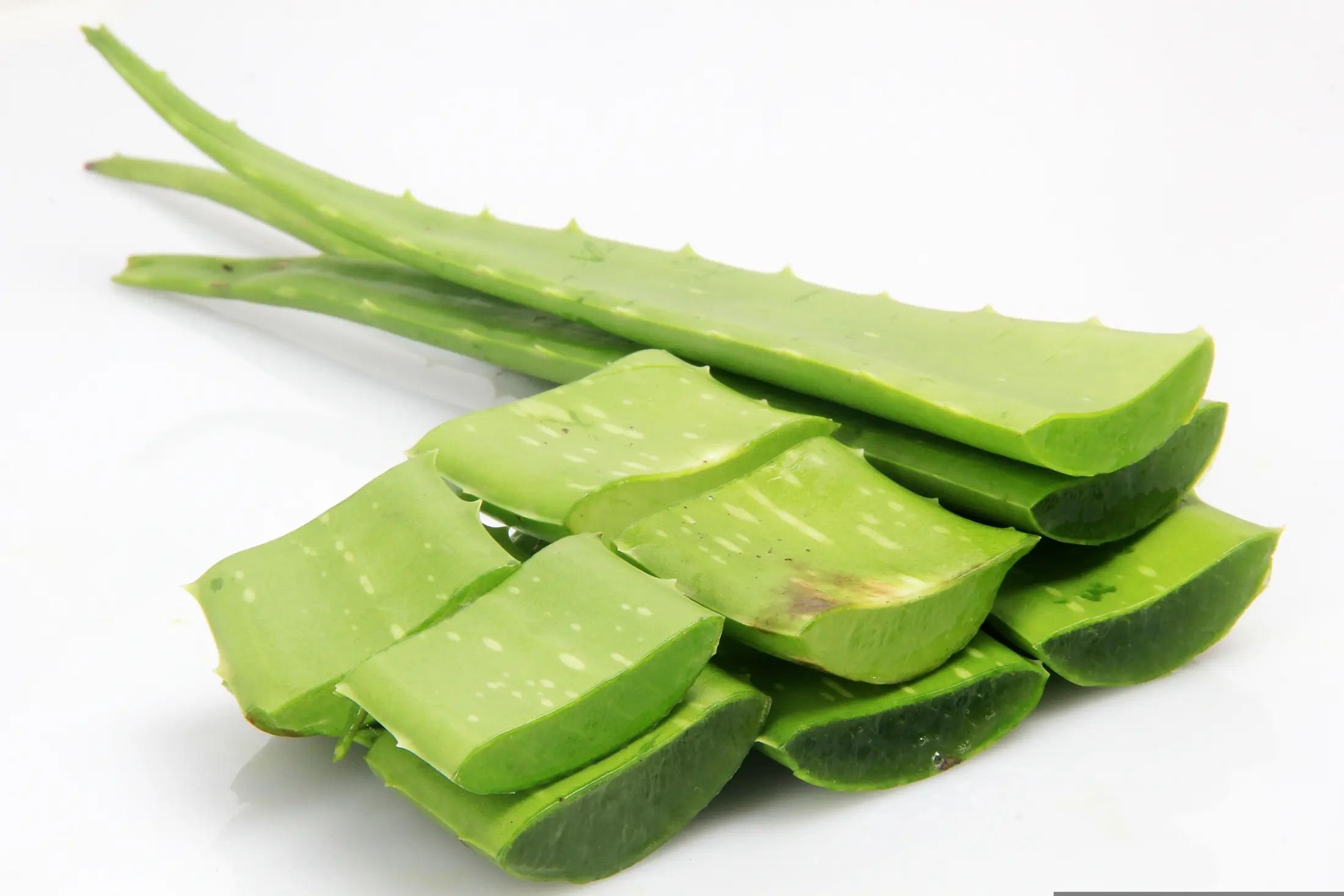
Aloe vera is a low-maintenance succulent valued for the soothing gel inside its fleshy leaves. Applied to the skin, the gel can help relieve minor burns, including sunburn, as well as moisturize dry skin. Grow aloe in a container with well-draining soil and plenty of bright light, bringing it indoors before freezing weather. Avoid ingesting aloe latex, the yellow substance beneath the leaf skin, which can cause severe digestive side effects.
(Calendula officinalis)
Calendula, also called pot marigold, brightens garden beds with cheerful orange and yellow flowers. Its petals have a long history of use in traditional topical preparations for minor skin irritation and wound care, although actual evidence for effectiveness remains limited. The edible petals can also add color to salads. Plant calendula in full sun with well-drained soil, and remove spent blooms to encourage continued flowering through cool weather.
(Melissa officinalis)
Lemon balm is a fragrant member of the mint family whose leaves release a fresh citrus scent when brushed. Traditionally used in teas and herbal preparations, it might help with mild anxiety or sleep difficulties, although research is limited. The plant grows well in sun or partial shade with moderately moist soil. Like other mints, lemon balm can spread readily, so plant it in a container to keep it under control.
(Echinacea purpurea)
Echinacea, commonly known as purple coneflower, produces beautiful flowers with bold pink-purple petals and distinctive domed-shaped centers. Native to North America, echinacea has a long history of use in Indigenous herbal traditions and is widely sold for immune support. Research on whether echinacea helps prevent or shorten colds is mixed, but many users swear by it. This hardy perennial thrives in full sun and well-drained soil, attracting butterflies and other pollinators throughout summer.
(Mentha × piperita)
Peppermint is a vigorous perennial herb known for its refreshing aroma and menthol-rich leaves. Peppermint tea is traditionally used to ease occasional indigestion, while peppermint oil has evidence supporting its use for certain digestive symptoms, particularly irritable bowel syndrome. Grow peppermint in partial shade or sun with consistently moist soil. Because it spreads aggressively through underground stems, plant it in a container to prevent it from completely taking over your flower beds.
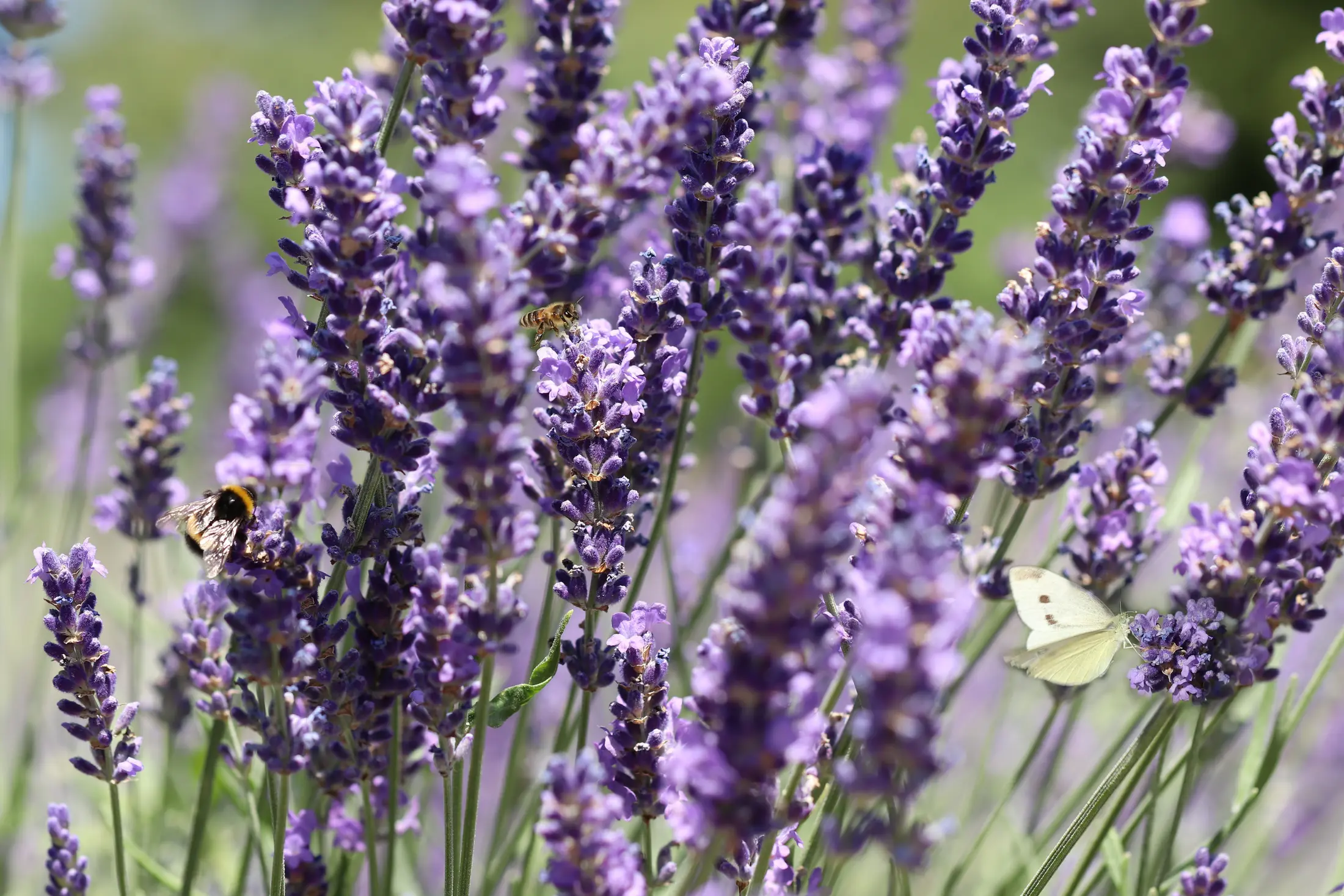
(Lavandula angustifolia)
Lavender is loved for its fragrant purple flower spikes and silvery-green foliage, making it both an ornamental favorite and a traditional herbal plant. Its scent is associated with relaxation, and some research suggests lavender preparations may help reduce anxiety. Dried flowers can be used in sachets or teas, though essential oil should not be swallowed unless specifically directed by a qualified professional. Grow lavender in full sun and well-drained soil, and don’t overwater it.
Chamomile produces daisy-like white flowers with sunny yellow centers that make an attractive addition to herb gardens. Its dried flowers are commonly used to make herbal tea, which can be consumed to encourage relaxation and ease occasional digestive discomfort. Chamomile grows easily in sunny locations with well-drained soil, and it can self-seed. If you're allergic to ragweed, you might want to stay away from chamomile.