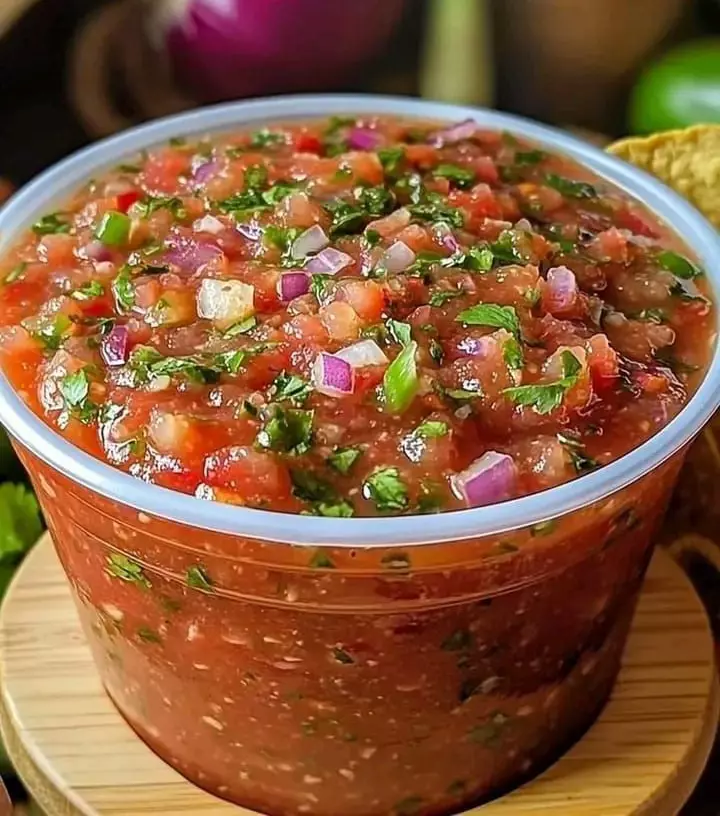

Wouldn’t it be amazing to dazzle friends and family with homemade salsa at your next taco party? Wouldn’t it be even more amazing to be able to tell them that you grew the ingredients in your own garden?
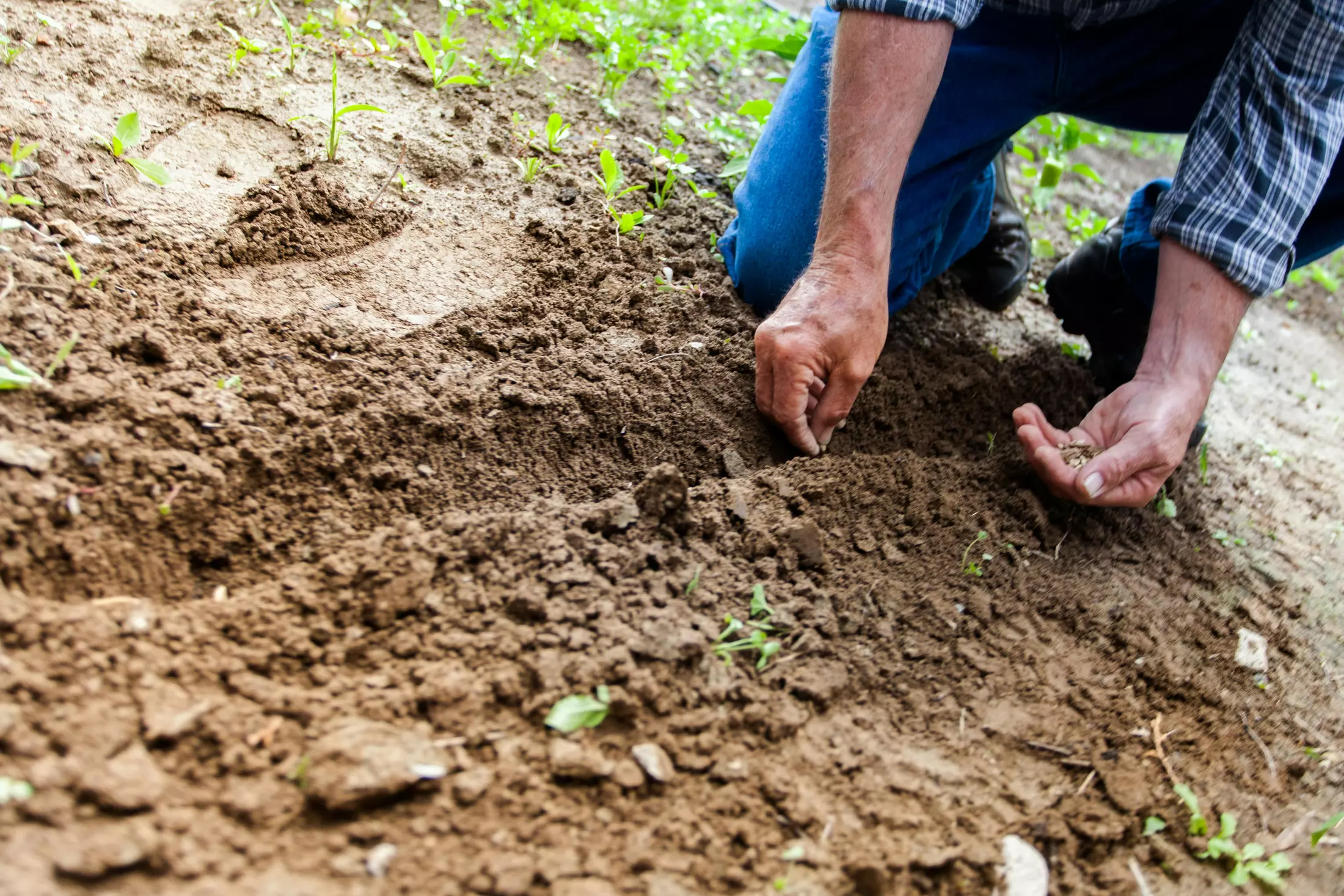
If you don’t already have a vegetable patch, you’ll need to create one. Carefully and thoroughly clear away grass or weeds or whatever’s taking up precious veggie space. Turn the soil and mix in compost to enrich the soil. You might want to stake off your new garden so housemates know not to mow it or otherwise disturb it. Make sure that your site has easy access to water, as your veggies will need frequent irrigation.
Typical salsa ingredients include tomatoes, chilis, cilantro, onion, garlic and maybe even tomatillos. Decide which of these you would like to grow and how you’ll lay the plants out in your garden.
Photography: Pinterest/Easy DIY Recipes
Tomatoes are among the easiest vegetables to grow. They need lots of sun, and you’ll want to give them plenty of fertilizer. Roma or plum tomatoes are great varieties for salsa-making, but really any kind of tomato will work. Find seedlings at your local garden center. For salsa verde, grow tomatillos, which have similar growing requirements as tomatoes.
Garlic can be tricky to grow. Depending on where you live, you might have to plant it in the fall, whereas most of the other veggies you want to plant in spring after all danger of frost has passed. Garlic also has to cure after harvesting before you can eat it, so factor that in. Do a bit of research on your local area to find out the best time to plant garlic.
Peppers are a must in any salsa. There are hundreds of varieties available so do some research and pick a type or two that line up with your spiciness tolerance. Jalapeños, of course, are a favorite, but serranos and cayennes are also easy to grow and add great flavor. You can plant from seeds or from nursery seedlings.
Onions can be planted from seeds or from a set, which is a small, dormant onion bulb that you can order online or buy from a local garden store. Sets will get you on your way much more quickly than planting seeds.
Cilantro is best grown in the cool part of spring or fall. Give it afternoon shade if it’s really hot where you live. Cilantro likes lots of water; don’t let the soil dry out. Don’t harvest the whole plant; just pick leaves as you need them. By the way, the stems are just as delicious—just chop them up finely for your salsa.
Unless you live in the very southernmost part of the U.S., you’ll have to put a lime tree in a container and overwinter it indoors. They simply can’t take cold weather. Or you can just buy some at the store. It’s ok.