
Retirement brings a chance to simplify your surroundings and make room for a new chapter. Start by clearing out these everyday items to create a more comfortable, manageable home.
Swipe through to learn what you should declutter when you retire.
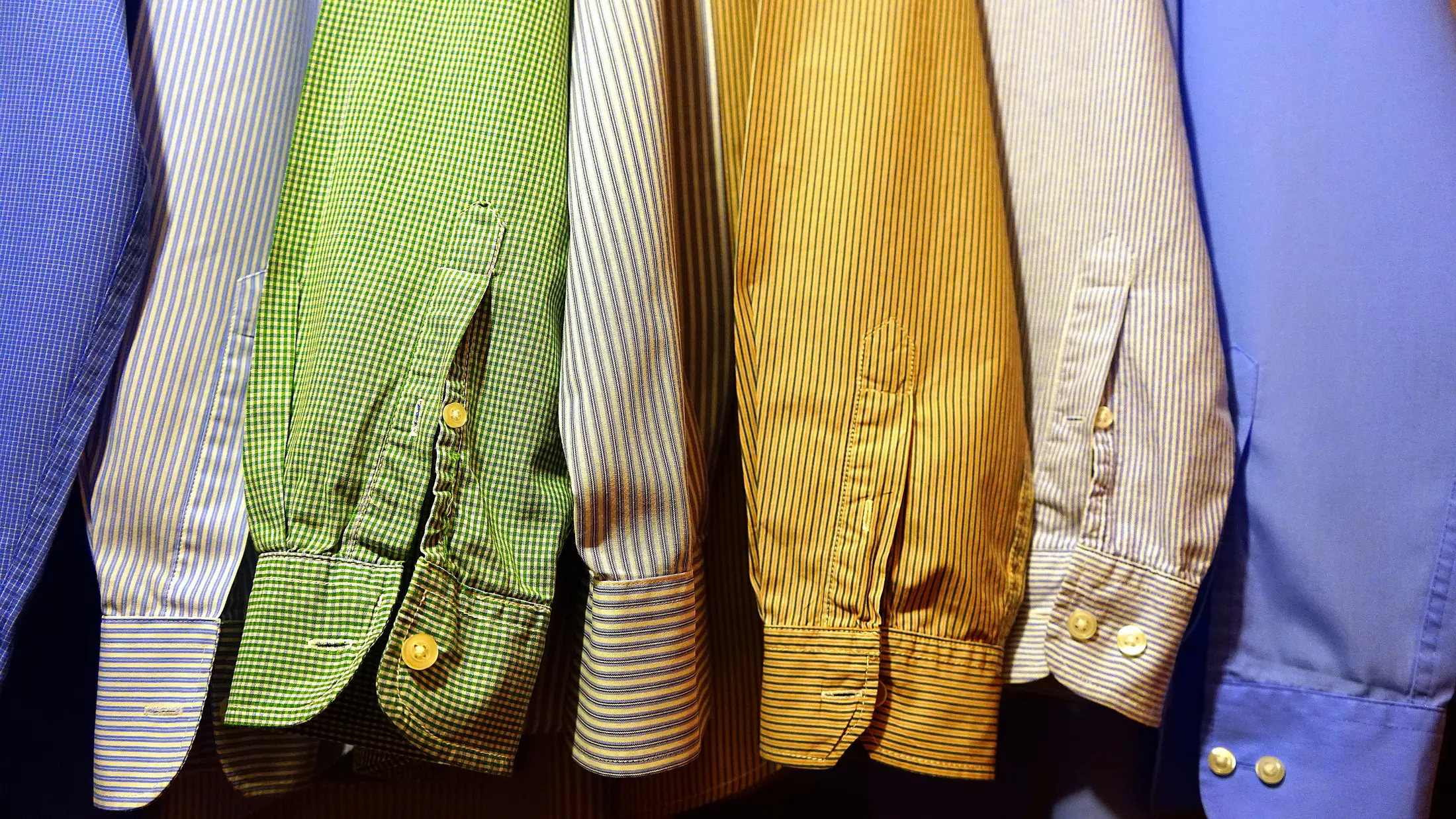
Retirement may mean saying goodbye to business suits, formal shoes and work uniforms that once filled your weekly rotation. Keep a few versatile pieces for special occasions or volunteer commitments, but donate the rest. Freeing up closet space makes it easier to organize the clothes you actually wear and see what you have without digging through items that no longer fit your lifestyle.
Old performance reviews, meeting notes, employee handbooks and routine work correspondence can take up surprising amounts of space. Shred documents containing personal or financial information that you no longer need and recycle outdated materials. Before discarding tax records, pension paperwork, benefit statements or employment documents, check whether you need to retain them. Keep important records in one clearly labeled file or secure digital folder for easy access.
Particularly if you worked from home, you might have a lot of office supplies—notepads, for example—that you no longer need. Consider donating these items to a nonprofit or a school. Also, sort through obsolete phones, outdated computers, tangled cables, unused chargers and old electronic accessories. Keep the devices you still use and identify which cords belong to them. Wipe personal data from devices before donating or recycling them, and use an appropriate electronics recycling program for items that no longer work.
Moving into the non-work-related stuff, retirement is a good time to sort through your personal things, too. If you no longer cook for large family gatherings or entertain coworkers, you may not need three roasting pans, duplicate serving dishes or specialty appliances used once a year. Assess what you actually use and donate clean, functional extras.
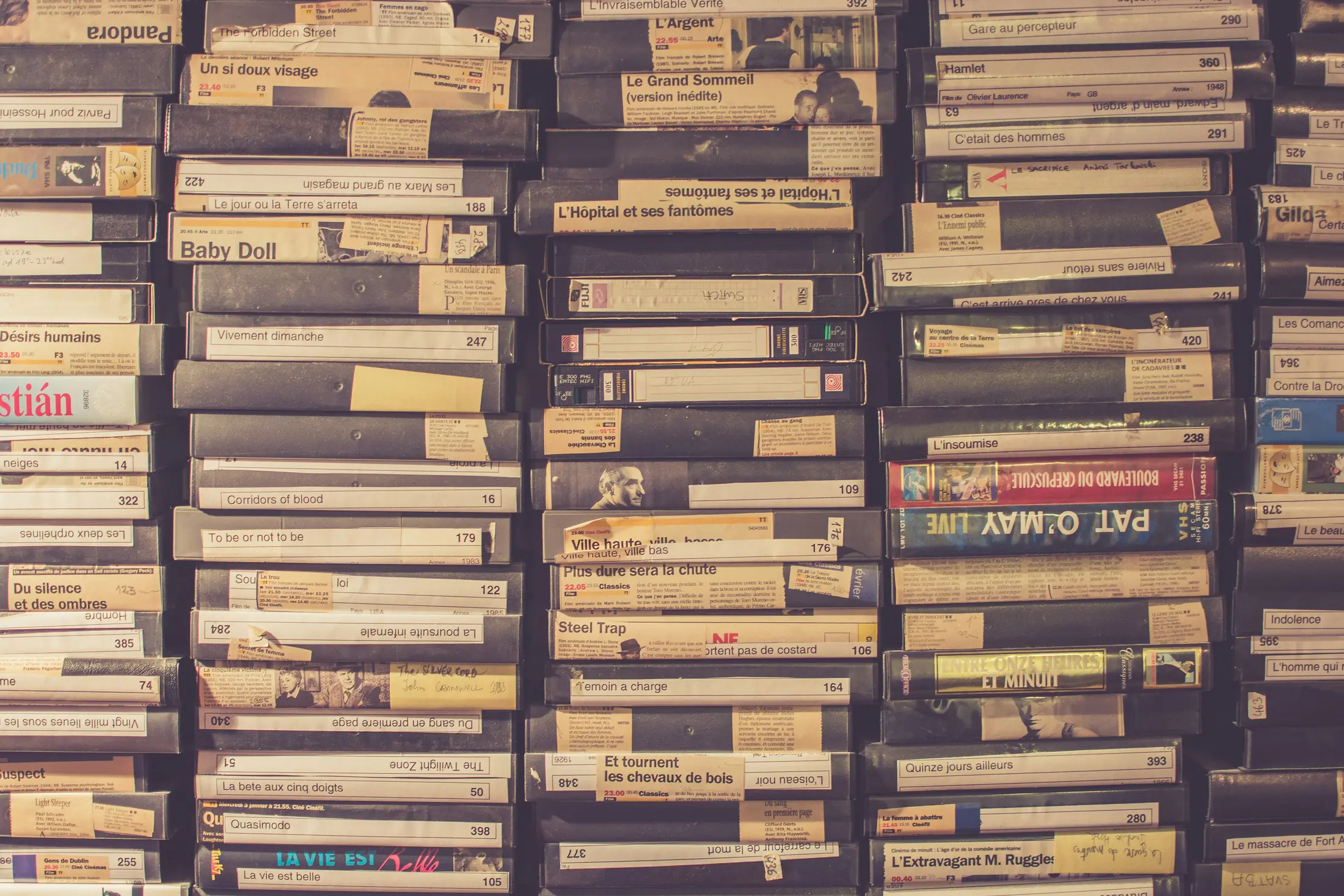
With more free time in retirement, you might want to clear out outdated media that takes up space but no longer serves a purpose. Recycle VHS tapes, cassette tapes and obsolete electronics you no longer use, and check board games for missing pieces before donating them. Pass along paperbacks you've already read, outdated textbooks and stacks of old magazines. For books and recordings you want to keep, consider whether digital versions would free up valuable shelf space.
Do you have every drawing your four children ever made? Do you really need EVERY one of them? Retirement might be a good time to sort through all your kids’ artwork and other school-related sentiments. Take digital photos of the art and documents you really want to preserve, but dispose of the paper copies.