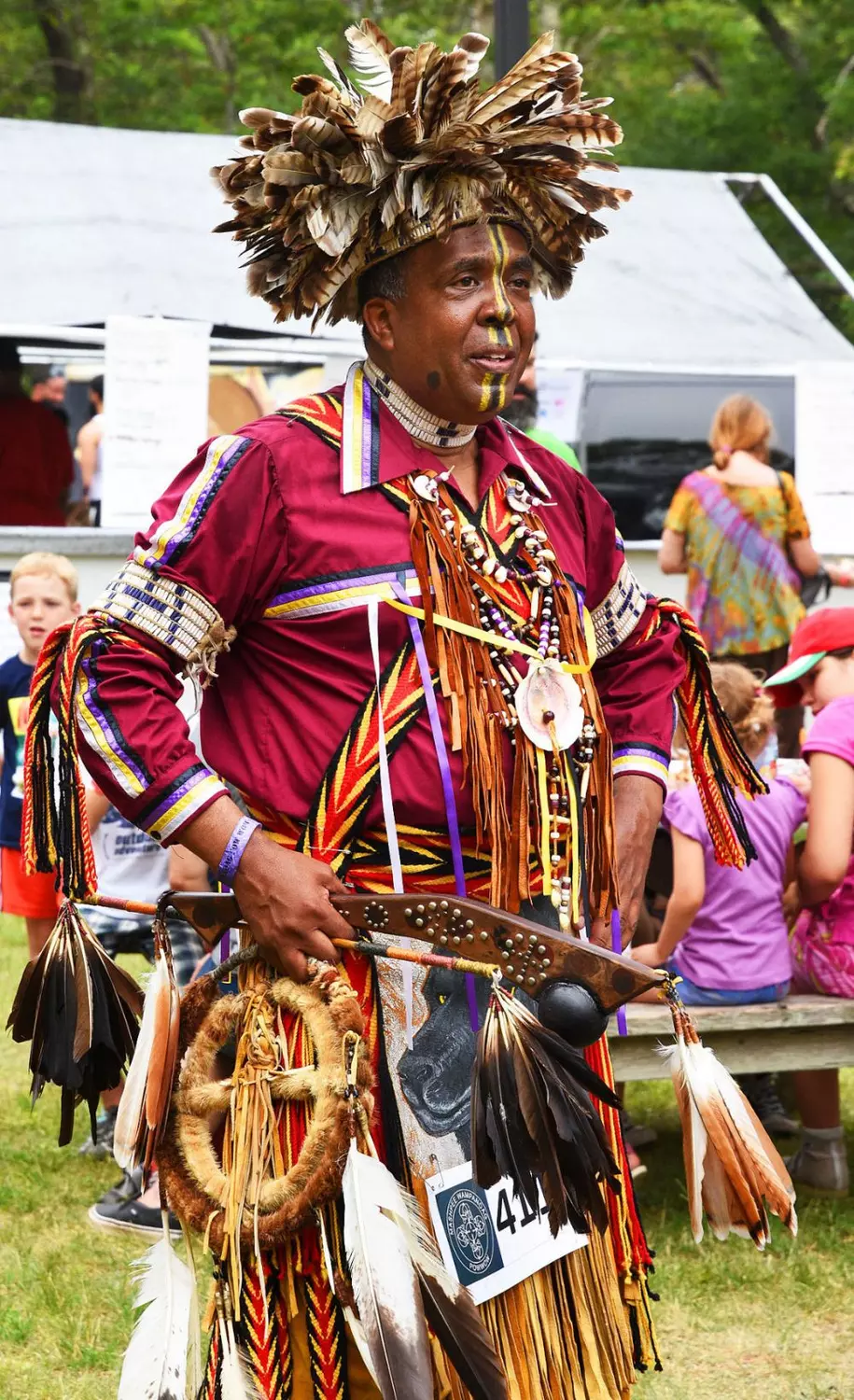

These were the people the Europeans eventually sat down to the first Thanksgiving dinner with.
In the 1600s, when the Mayflower came ashore, there were as many as 40,000 people in the 67 villages that made up the Wampanoag (Wôpanâak) Nation. The villages stretched from what is now called Weymouth, Massachusetts, to current Bristol, Rhode Island. Wampanoag, which means People of the First Light, have lived in these Eastern parts for thousands of years.
Wampanoag lived their daily lives according to the seasons. They lived and gathered food—berries, fruits, nuts, roots— in forests and valleys during winter and moved closer to rivers, ponds and the ocean when spring arrived. There, they planted crops and harvested seafood.
Photography: Wikimedia Commons/Lidine Mia
Women of the tribe were responsible for cultivating the corn, beans and squash that were staples of the Wampanoag diet, while men sourced game and fish to supplement the produce. Deer, turkey, rabbit and black bear were among the land animals these people ate, along with fish and shellfish. Meat was preserved for winter by smoking.
Photography: Pinterest/Many Hoops Around Thanksgiving
Within the Wampanoag Nation, smaller but carefully delineated groups held specific territories. Group members were expected to stay within their territories for living, hunting and gathering.
In Wampanoag folklore, Maushop is a friendly giant — so big he ate whales — who created the tribes’ ancestral lands of Martha’s Vineyard and Nantucket by dragging his foot through the sand and dumping his pipe ashes in the water. Tradition holds that Maushop taught the Wampanoag to hunt and fish and that he kept children safe from a giant bird that threatened to kidnap them.
Photography: Cathrine Ji via Pinterest
In the autumn of 1621, the Wampanoag heard celebratory gunfire from the English settlement at Plymouth, who were happy about a good harvest. It is thought that some 90 tribesmen went to investigate and ended up staying for a three-day feast. The Wampanoag probably weren’t actually invited but stayed out of respect or maybe just to keep an eye on the English.
Today, about 4,000-5,000 Wampanoag people live in New England, including the Aquinnah, Mashpee, Herring Pond, Assonet, Chappaquiddick, Pocasset and Seaconke groups. There are other, smaller groups and communities across the United States and even worldwide. Wampanoag continue to reclaim their language as well as share their oral traditions, ceremonies, song and dance and social gatherings after a few centuries of European colonization and despair.
Photography: Pinterest/Capenews.net