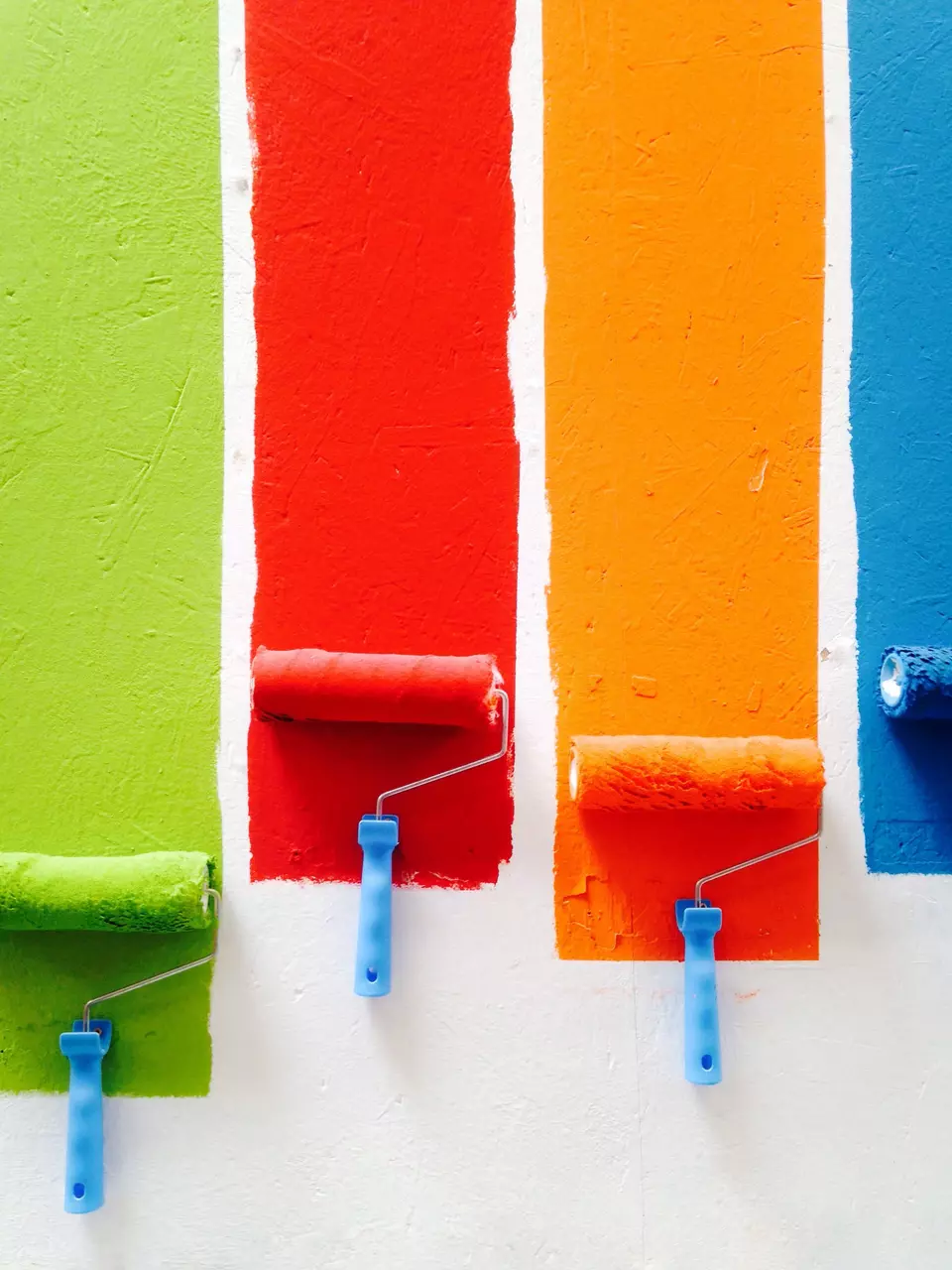

Paint is a quick and affordable way to bring a stunning new look to the rooms of your home, but you’ll want to think carefully about color before going all in.
Scroll through to learn how to choose the right paint color for your walls.
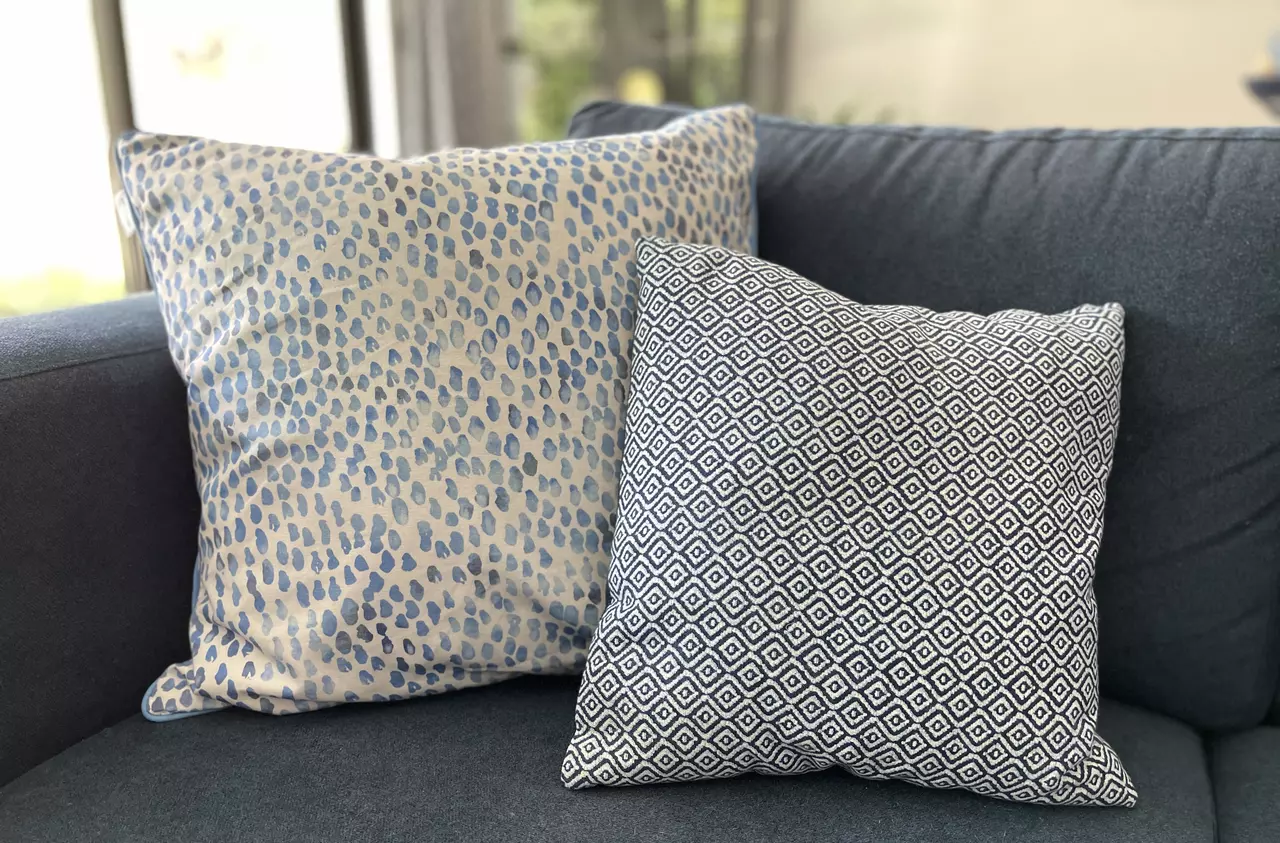
Look to a favorite pillow, upholstered chair, or couch throw for inspiration. Keep in mind that if it’s the royal blue in the fabric of those two throw pillows that attracted you to them, that doesn’t mean you should paint your entire living room royal blue. A blue accent wall might be nice, however.
Photography: Gretchen Heber
If you elect to go with a bold accent wall, select a complementary neutral color for the remaining walls in that room. A pale gray, for example, would be lovely with your blue accent wall. Or if you painted your accent wall orange, consider a light ivory for the other walls.
Perhaps you live in an older home and can trace its roots to a particular period, like Victorian, craftsman or mid-century. If this is the case, you can find inspiration in the paint colors that were popular at the time your house was built.
Colors can affect mood. For example, blue has been shown to have a positive effect on physical, mental and behavioral patterns. Green is thought to inspire creativity. Red and yellow have been linked to feelings of excitement and delight.
You don’t have to paint every room in your home the same color. Choose lighter or darker shades of your “main” color for secondary rooms. If you have a bold green accent wall in the living room, for example, paint the walls in the adjoining dining room a pale green.
It’s important to note that you shouldn’t commit to any color whatsoever until you’ve brought home a sample or two and put them on the wall. The light in your home looks different than the light in the paint store, and of course, the light in your rooms changes throughout the day.