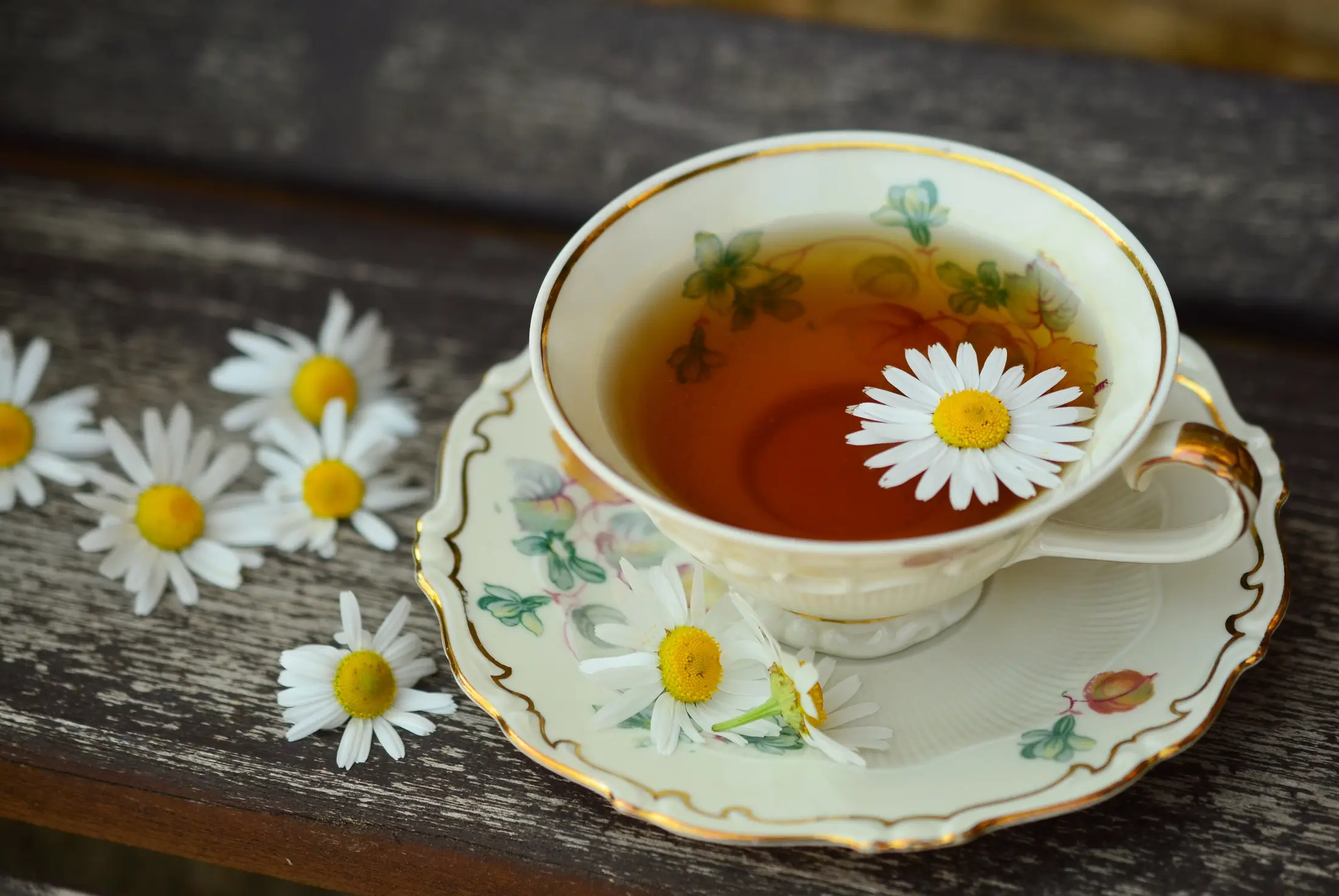

After your morning cuppa, don’t toss those tea leaves. There are plenty of ways to get additional use out of them, especially when it comes to plants.
Swipe through to discover 6 ways to use tea leaves in the garden.
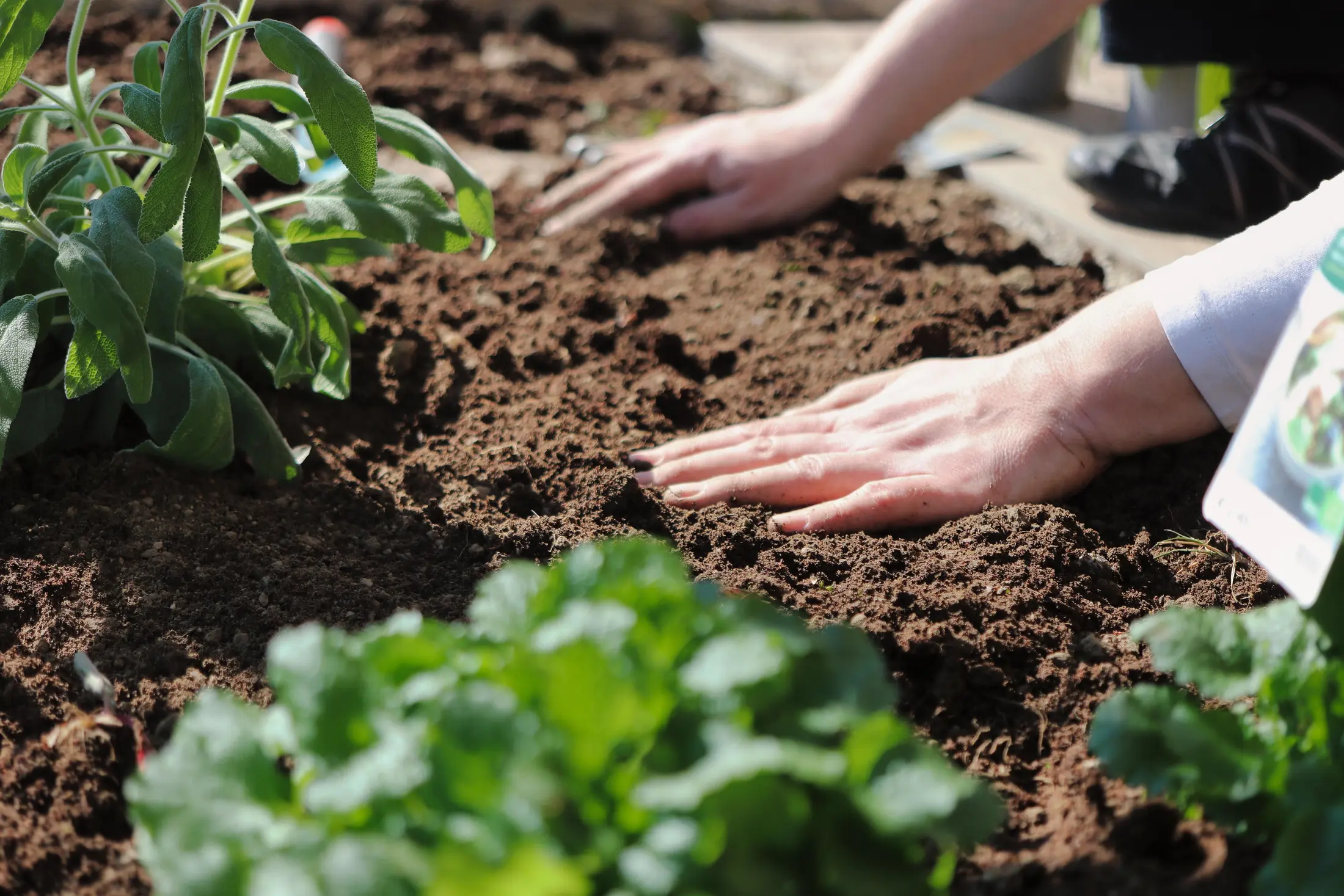
Mixing plain, used loose tea leaves directly into your garden’s topsoil is an excellent way to nourish your plants. As these organic leaves decompose, they gradually release essential nutrients like nitrogen, which helps improve overall soil structure. This simple practice also boosts moisture retention and encourages beneficial earthworms to visit your garden beds. Just ensure the leaves are completely cooled and free from artificial flavorings, milk or sugar before blending them into the dirt.
If you’re partial to mint tea, spread the used mint tea leaves around the base of plant seedlings to deter bugs such as ants and spiders. They’ll also break down and add nutrients to your soil.
If you have a compost bin or pile, simply add your used tea leaves to your mix. Tea leaves add nitrogen, speed up the breakdown of other scraps in your compost and improve the overall health of your compost.
Earthworms are a major component of a healthy garden, and they love tea leaves. Keep these hard workers healthy and plentiful by feeding them used lea leaves.
Since tea is naturally acidic, it helps maintain the lower soil pH levels preferred by species like blueberries, azaleas, hydrangeas and roses. As the leaves break down, they deliver a gentle nutrient boost. Just spread them around the base of the plants as a light mulch.
Brew some weak chamomile tea, let it cool and then pour it into a sprayer. MIst indoor and outdoor plants with the tea to suppress common fungal infections. Chamomile contains potent antifungal and antibacterial properties that protect plants from devastating conditions like damping-off.