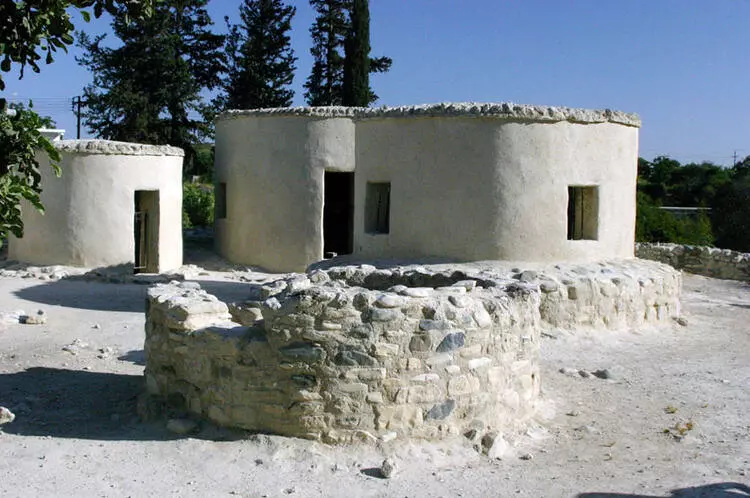

11 of the World’s Oldest Structures
Every year, archaeologists uncover dwellings, tombs and buildings that help us understand how life on earth has progressed over time.
Continue on for a look at 11 of the world’s most ancient structures uncovered so far.
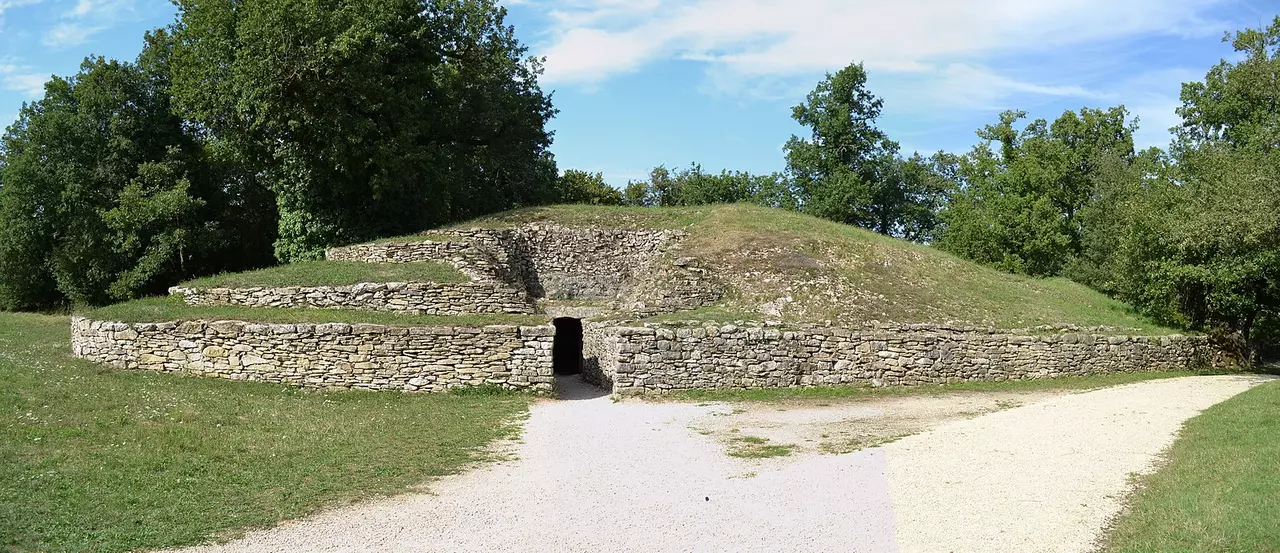
Tumulus of Bougon | Built circa 4,800 BC
Bougon, Deux-Sevres, France
These neolithic-era burial mounds are connected by passageways and supported by pillars.
Photography: Wikimedia Commons
Wall of Jericho | Built circa 8,000 BC
Tell es-Sultan/Tel Jericho, West Bank, Palestinian Territories/Israel
Jericho is considered the world's oldest continually populated city. The walls surrounding the city were once 12 feet high and were likely built to protect the city from floodwaters.
Photography: Wikimedia Commons | Hanan Shafir
Anu Ziggurat | Built circa 4,000 BC
Uruk, Al-Warka, Muthanna Governorate, Iraq
A ziggurat is an ancient structure built in Mesopotamia – a civilization that occupied most of the land that is now Iraq. This ziggurat was dedicated to the Sumerian sky god Anu,
@credi Photography: Wikimedia Commons
Locmariaquer Megaliths | Built circa 4,700 BC
Locmariaquer, Brittany, France
A large passage tomb and carvings of ancient tools were found Inside this complex building. On the ground outside lie the remains of a massive carved stone monument that is considered the largest single stone ever transported and erected by Neolithic people.
Photography: Wikimedia Commons
Ruins at Göbekli Tepe | Built circa 9,500
Southeastern Anatolia, Turkey
These stoned megaliths predate modern tools and possibly hold the crown as the world's oldest temple. The massive 10-ton pillars were carved with a human likeness.
Photography: Wikimedia Commons
Tell Qaramel | Built circa 11,000 BC
Aleppo Governorate, Syria
This particular settlement predates modern agriculture and animal domestication and is the oldest known stone-built settlement in the world. Not much is known about why it was started, but it is suspected that the reason was religious in nature.
Photography: Wikimedia Commons | R.F. Mazurkowski
Khirokitia | Built circa 7,000 BC
Larnaca, Cyprus
Khirokitia is a relatively well-preserved prehistoric settlement on the island Cyprus in the eastern Mediterranean Sea. As another example of an ancient walled city, Khirokitia's population was likely comprised of hunter-gatherers.
Photography: UNESCO Christopher Rose
Ngunnhu Fish Traps | Built circa 38,000 BC
Brewarrina, New South Wales, Australia
These short structures were created for capturing fish by Aboriginal populations living in what is now called Australia. Although the structure is still somewhat intact, these stone walls were a lot more prominent before they were damaged during the time of European colonization.
Photography: Wikimedia Commons | B. Hanna
Theopetra Cave Wall | Built circa 21,000
Theopetra Cave, Thessaly, Greece
This wall was used to block the entryway to a cave used by Paleolithic people during the last ice age. Inside the cave, evidence of Neanderthal activity from almost 135,000 years ago.
Photography: Wikimedia Commons | Tolis 3kala
Cairn of Barnenez |. Built circa 4,800 BC
Finistere, Brittany, France
This massive monument in the hills of Brittany is 246 feet long, 82 feet wide and took about 13,000 stones to build. Inside are common examples of megalithic art – paintings or carvings of axes, snakes, bows and other symbols.
Photography: Wikimedia Commons
Çatalhöyük | Built circa 7,500 BC
Konya province, Turkey
Many structures in this Neolithic settlement were interconnected with no space in between them. This large settlement was likely home to about 10,000 people.
Photography: Wikimedia Commons