6 Fruit Trees to Plant This Fall
FotoSCAPE

6 Fruit Trees to Plant This Fall

Fall is an excellent time to establish fruit trees in some parts of the country, giving roots time to develop before spring growth. The best choices depend on climate.

Swipe through to learn about fruit trees to plant in autumn.
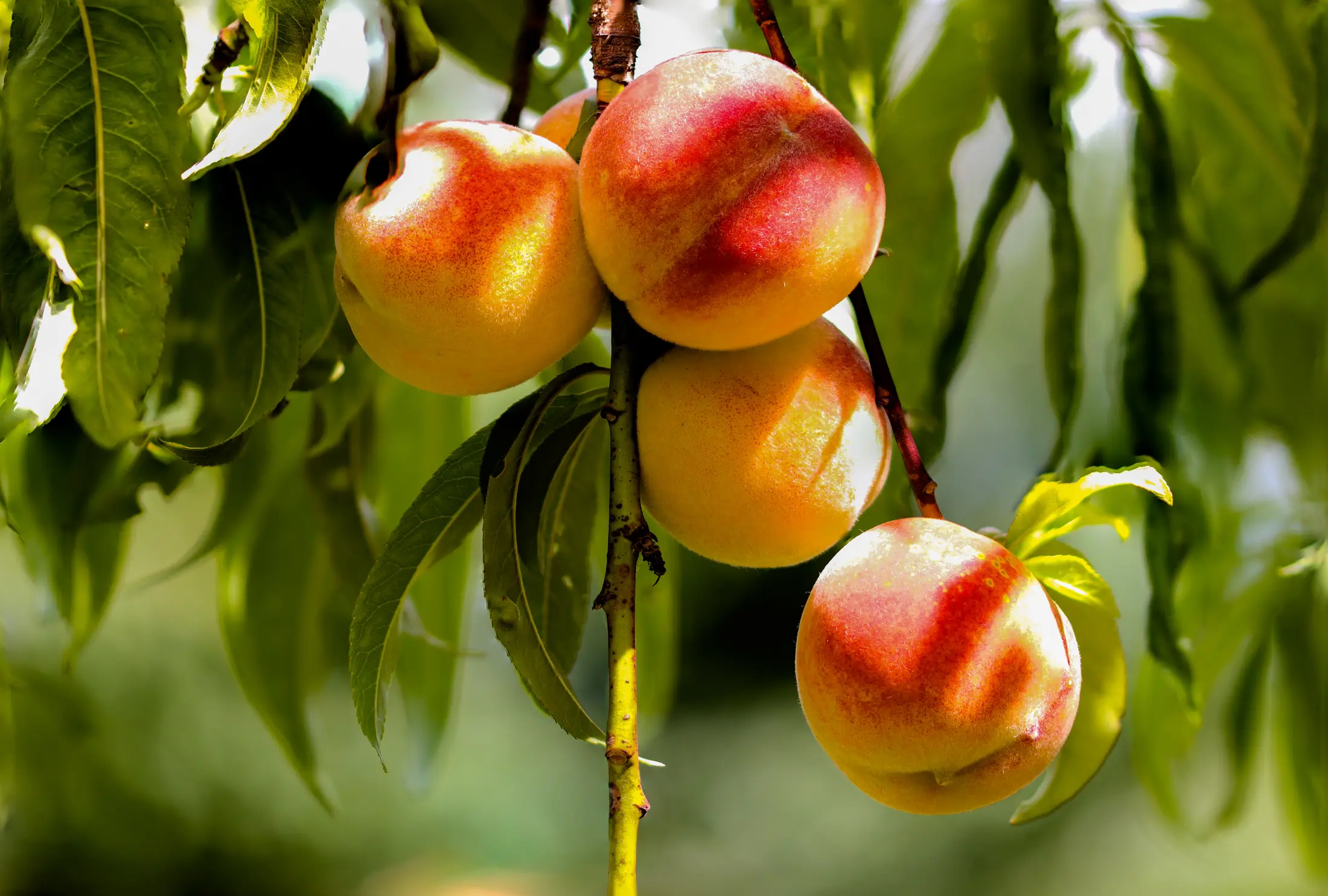
Peach

Peach trees are a rewarding choice for gardeners in regions with hot summers and relatively mild winters. Look for low-chill varieties such as Flordaprince or Flordaking in the Southeast, where they can produce reliably without extended winter cold. Choose a sunny location with well-drained soil and allow plenty of room for mature growth. And then come summer, when the peaches are ripe, be ready to battle with backyard squirrels, who also love peaches!

Fig

Gardeners in the South should also consider fig trees, which thrive in warm climates and produce sweet fruit with relatively little maintenance. Celeste and Brown Turkey are popular varieties that tolerate Southern growing conditions. Plant container-grown figs in fall in areas with mild winters, choosing a sunny spot with well-drained soil. In colder regions, figs may need winter protection or should be grown in containers that can be moved indoors.

Plum

Plum trees offer beautiful spring blossoms followed by delicious fruit for fresh eating, baking and preserves. Southern gardeners should look for low-chill varieties such as Methley and Au-Producer, which are better suited to mild winters. These trees can be planted in late fall or winter in warmer climates. Choose a sunny location with good drainage, and check whether your selected variety needs a second tree for pollination

Pear

Pear trees are a versatile addition to home orchards, offering spring blossoms, attractive foliage and crisp, flavorful fruit. European varieties such as Bartlett and Bosc grow well in many parts of the Midwest and eastern United States, while Asian pears are better suited to warmer regions, including parts of the South. Many varieties benefit from cross-pollination, so planting two compatible cultivars can improve fruit production. Pear trees can also be long-lived, providing harvests for decades with proper care.

Persimmon

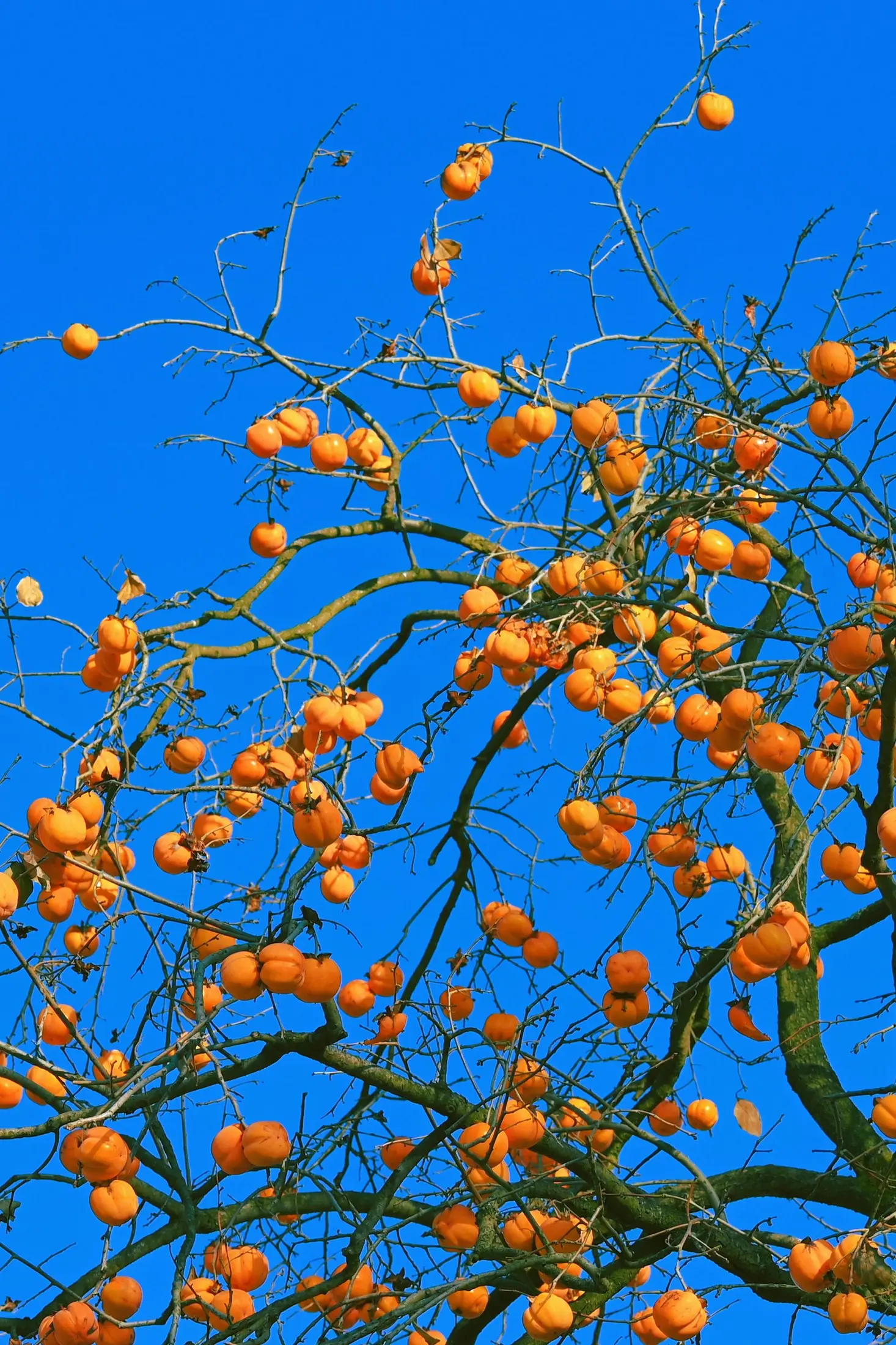
Persimmon trees are worth considering for gardeners who want an attractive, relatively low-maintenance fruit tree. American persimmons are particularly cold-hardy and grow across much of the eastern United States, as well as parts of the Midwest such as Missouri, Illinois and Indiana. Asian varieties are better suited to warmer regions. Give them full sun and well-drained soil, and allow room for their mature size. American persimmons are typically astringent until fully ripe, when their soft flesh becomes exceptionally sweet. Some varieties are self-pollinating, making them a good choice for smaller yards.

Apple

Apple trees are classic additions to home orchards, but choosing a variety suited to your climate is essential. Gardeners in the Pacific Northwest can explore varieties adapted to their growing region, such as Chehalis or Liberty, while those in warmer Southern states should consider low-chill selections such as Anna or Dorsett Golden. Fall planting works in some milder climates, but gardeners in colder regions should wait until early spring.

Recommended For You.