
6 Biophilic Design Hacks for Small Spaces
AI FOTOSCAPE

6 Biophilic Design Hacks for Small Spaces

Images: Gemini

Evolution baked a need for greenery directly into human DNA. Biophilic design hacks your biology to lower stress and increase focus without requiring a massive greenhouse. Transform a windowless room into a damp micro-climate using precise sensory triggers. Grab a bag of lava rocks and a spray bottle. Build a raw environment that grounds your daily routine immediately. Swipe forward.
The Evolutionary Itch

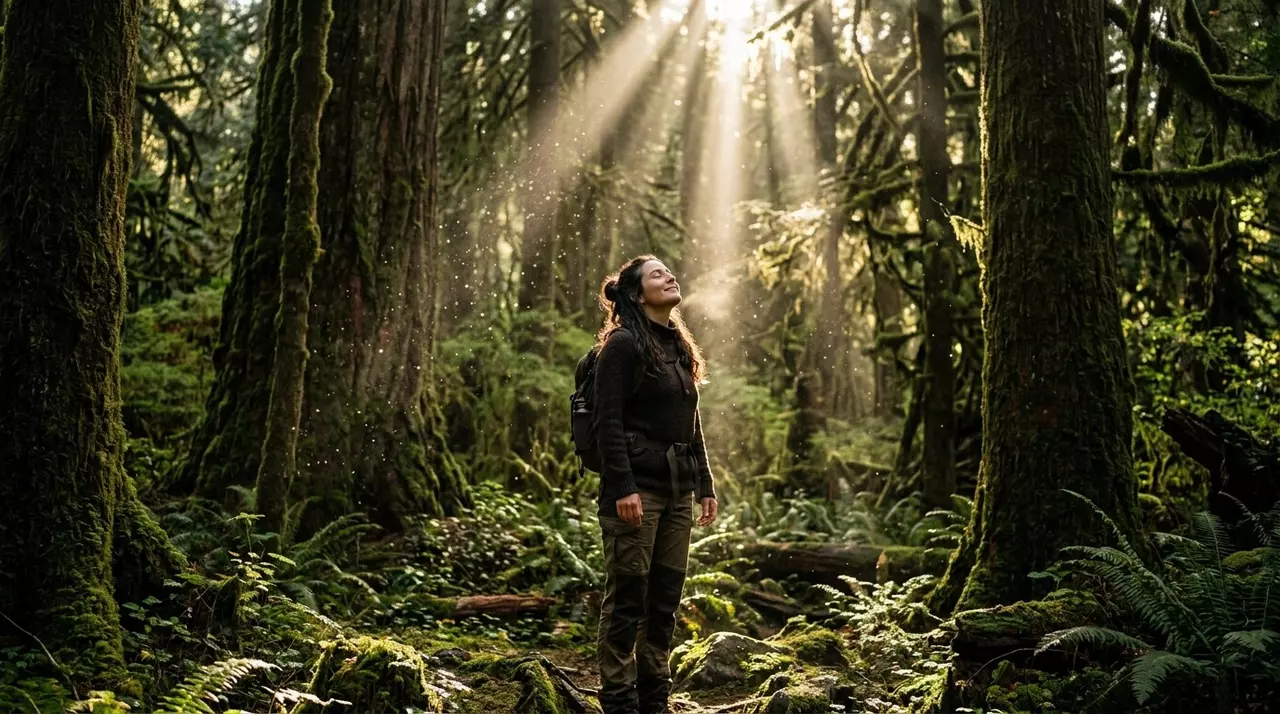
To explain our innate drive to connect with nature, Edward O. Wilson coined the Biophilia Hypothesis. Your brain actively craves exposure to living ecosystems. Plants release airborne chemicals called phytoncides. These compounds possess antibacterial and antifungal qualities. Inhaling them directly increases the number of natural killer cells in your immune system.

The Mirror Trick

Tight quarters dictate design choices. By placing a large mirror opposite a window, you instantly double your visual connection with nature. The reflection pulls the outside canopy directly into your interior layout. You hack your spatial perception without sacrificing a single square foot of floor space.

Verticality

Maximize your visual connection with nature by growing ferns vertically. Hanging these geometric shapes turns a blank wall into a focal point. You bypass floor space limitations entirely.

Fractal Geometry

Nature relies on self-repeating fractal patterns to build complex structures. Ferns and Romanesco broccoli display these mathematical sequences clearly. Staring at these geometric shapes reduces human stress levels by up to 60 percent. Cluster plants with distinct fractal leaves. This tricks your eye into seeing a vast wilderness.

Circadian Lighting

Exposure to natural light cycles regulates human sleep patterns. Without windows, a room disrupts this biological clock. Biophilic design utilizes tunable LED systems to mimic the 24-hour sun cycle and keep your circadian rhythm aligned. Faking the solar cycle helps you maintain physical energy throughout the day.

The Low-Light Heroes

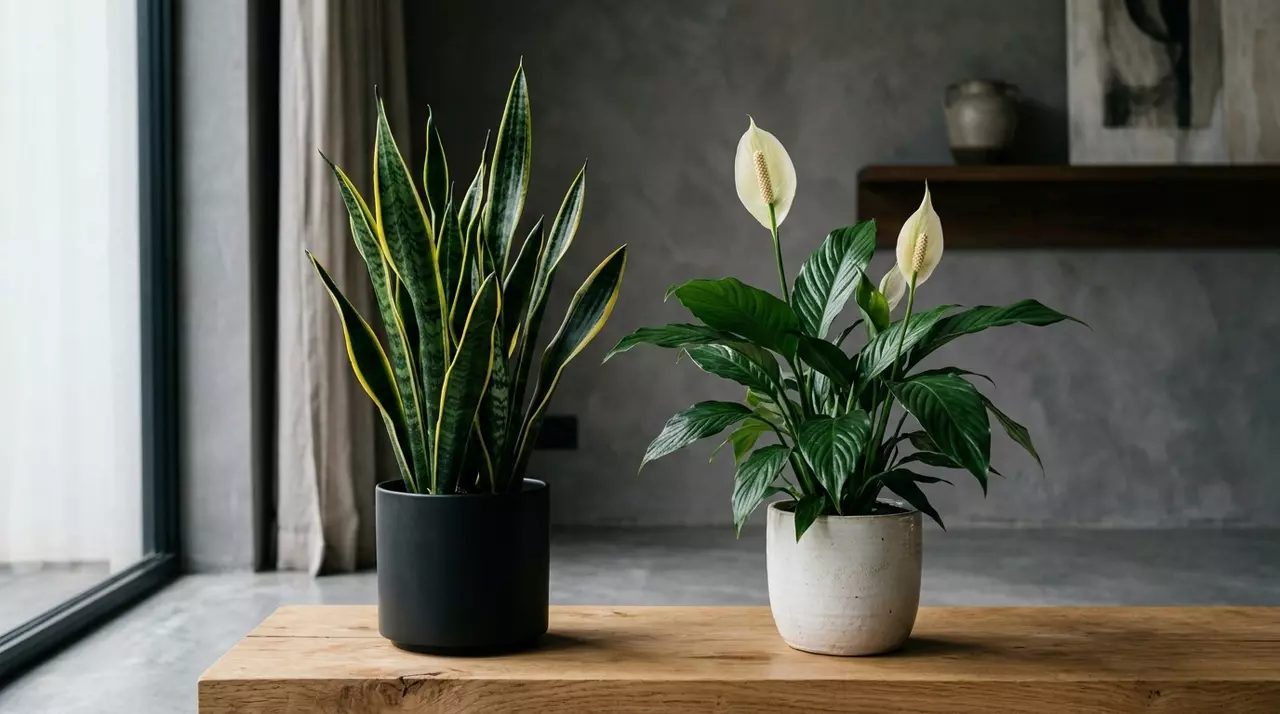
Certain environments lack the light required for delicate plants. According to the NASA Clean Air Study, snake plants and peace lilies aggressively remove benzene and formaldehyde from the air you breathe. These resilient specimens act as biological air purifiers.

Recommended For You.