
Bugs definitely play a role in a healthy ecosystem. But, in and around our homes, some insects really can be just too much—invasive, even.
Swipe through to learn about 6 unwanted bugs that might invade your space.
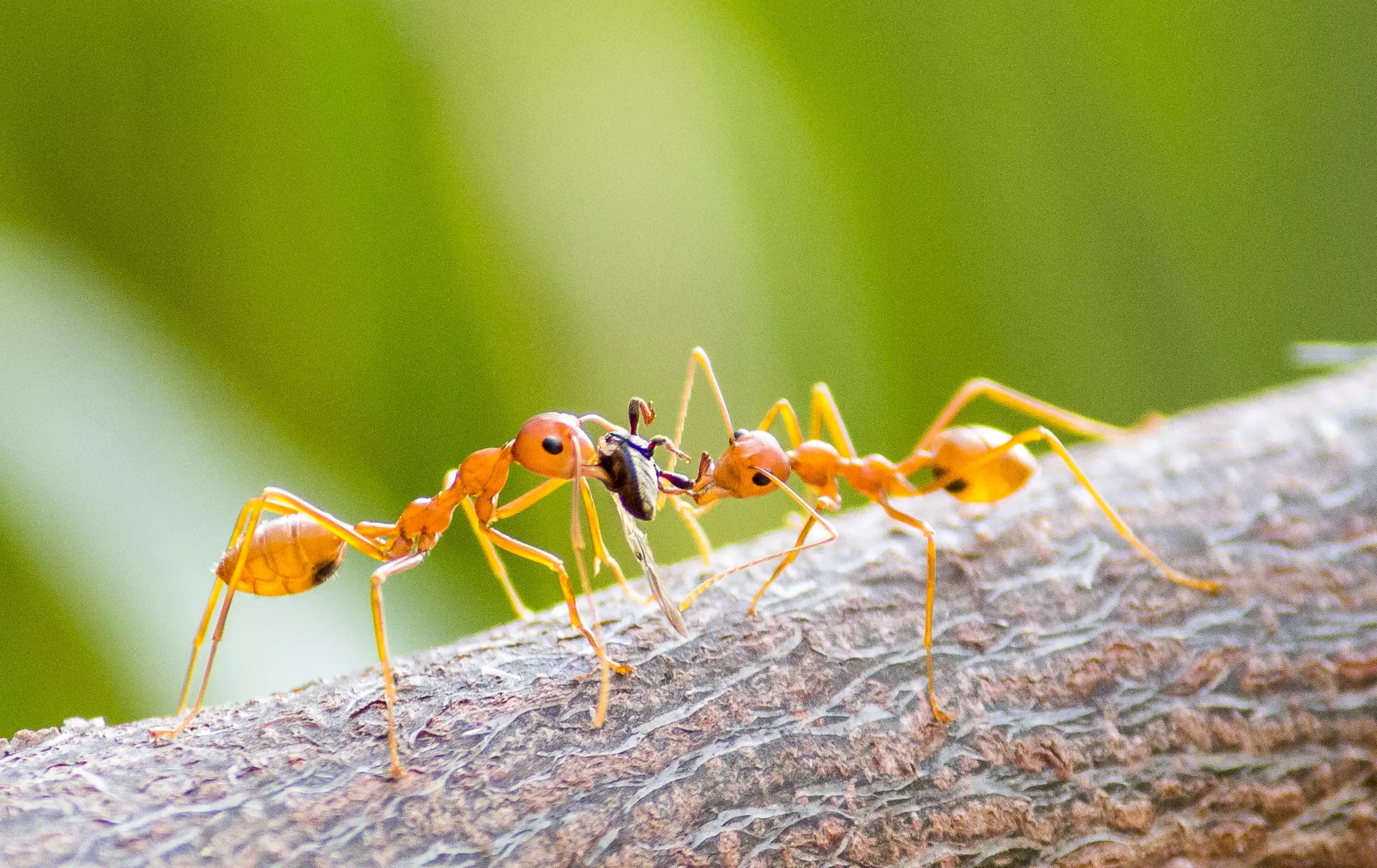
These mean, stinging critters are originally from South America, but now torture humans and animals in much of the southern and southwestern U.S. Their sting is notoriously painful and itchy. Though they mainly stay outdoors, they will occasionally come inside. They’re most effectively treated with commercial chemical agents.
Native to several Asian regions, this critter is now present throughout much of the U.S. You might find them munching away in your vegetable garden, and in some parts of the country, they’ll mount a full-on home invasion, seeking warm, dry and protected places for overwintering. Vacuum them up or sweep them into a container filled with soapy water.
These ants don’t sting or bite, fortunately, but if left unchecked they will form large colonies inside your home. They also can be found in high densities in backyards, where they compete with ecosystem-appropriate insects for resources, often causing the demise of the “good” bugs. Ant bait is usually an effective strategy against this species.
Photography: Hitmen Termite and Pest Control via Pinterest
These bugs eat a lot of aphids, which is good. But they also invade your home, seeking shelter over winter. Inside, they’ll help themselves to your fresh fruit. They’ll also emit drops of their stinky, orange blood. In your house. Vacuum them up or spray with a soap and water mixture.
Photography: Wikimedia via the Creative Commons Attribution-Share Alike 4.0 International license
Luckily, this critter usually prefers to be outdoors, though they will occasionally fly inside, because they are attracted to light. Large numbers can become unpleasant when you’re sitting outdoors at night and seeing dozens of cockroaches flying at your porch light. Use insecticide sprays or soap and water sprays.
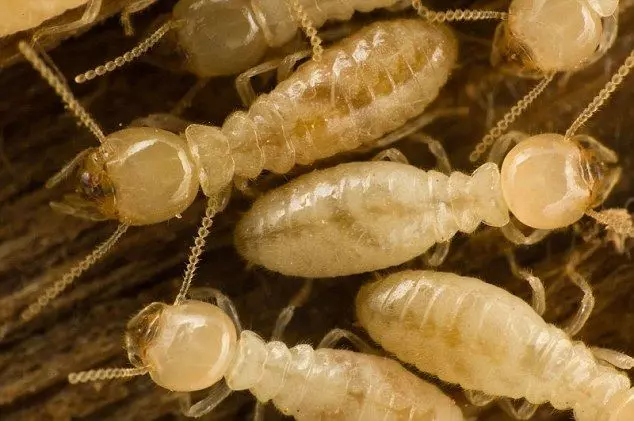
These voracious diners are exceptionally destructive. They form huge colonies (millions of members) and can cause severe structural damage to homes in as little as six months. Sometimes called "super termites," they feed on wood, flooring and even drywall. These termites should be destroyed with the help of a professional, because they are so invasive.
Photography: Daily Mail via Pinterest