

Ultra-processed food makes up nearly 60% of the average American's daily calories, and screens eat up seven-plus hours of the day — but the kitchen offers a surprisingly effective escape from both. Scratch cooking isn't a trend or a chore; it's a full sensory reset that research links to lower stress, better mood, and food that actually tastes like something. Keep swiping to see why getting your hands dirty might be the best thing you do all day. Continue swiping to see more.
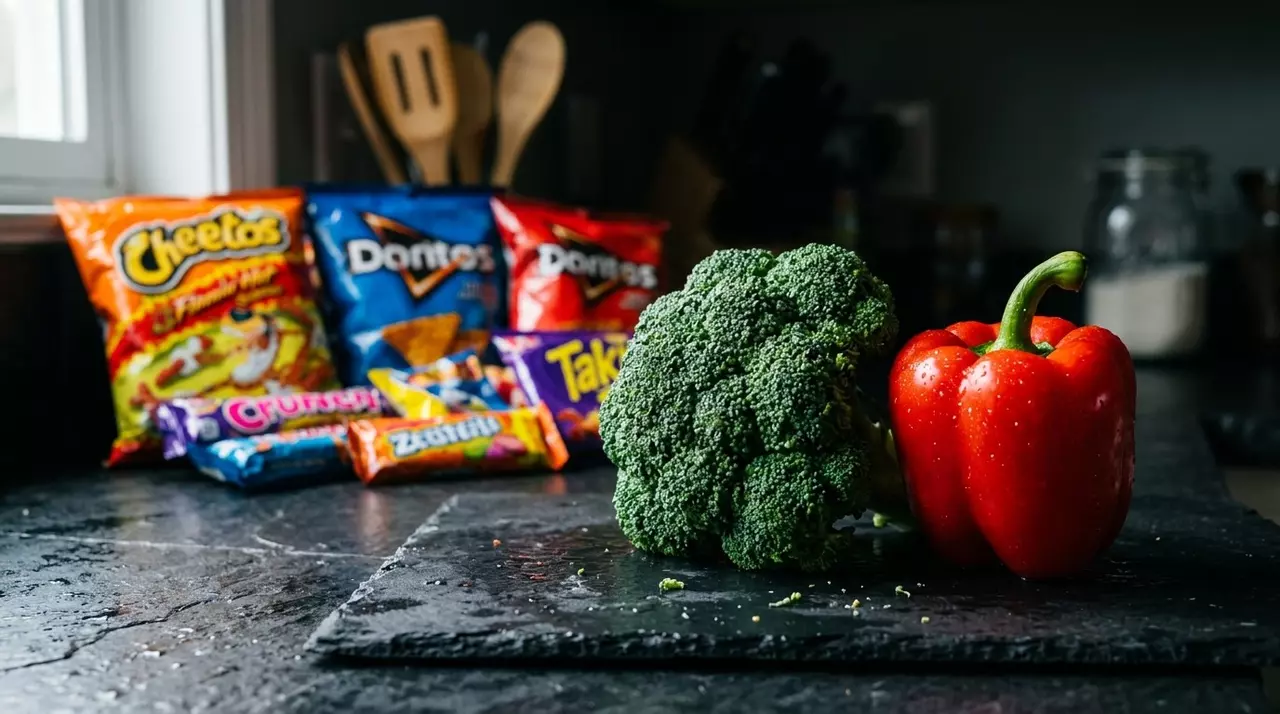
Research published in BMJ Open found that ultra-processed foods make up roughly 57–60% of daily calories for the average American adult, with ties to higher rates of obesity, depression, and heart disease. The NOVA classification system, built by researchers at the University of São Paulo, sorts foods by how much industrial processing they've gone through.
Nielsen data puts the average American adult at over seven hours of screen time a day, and occupational therapists are increasingly prescribing analog hobbies like scratch-cooking as a real, structured way to break that cycle. Put down your phone, grab a cutting board and chop something up.
Kneading bread, rolling pasta by hand, or simply chopping vegetables activates the parasympathetic nervous system and lowers cortisol levels, a response studied in the field of embodied cognition and sensory engagement therapy. Your hands know things your brain is too busy to notice.
A 2017 study in Health Psychology found that people who did small creative things each day, like cooking from scratch, reported more positive feelings and a stronger sense of flourishing the next day. You don't have to make anything complicated — just choose something you can finish.
The Maillard reaction is the chemical browning behind the crust on a loaf of bread, the sear on a piece of meat, the caramelized edge of a roasted vegetable and it simply can't be replicated in ultra-processed food manufacturing at scale. That depth of flavor is yours alone when you cook it yourself.
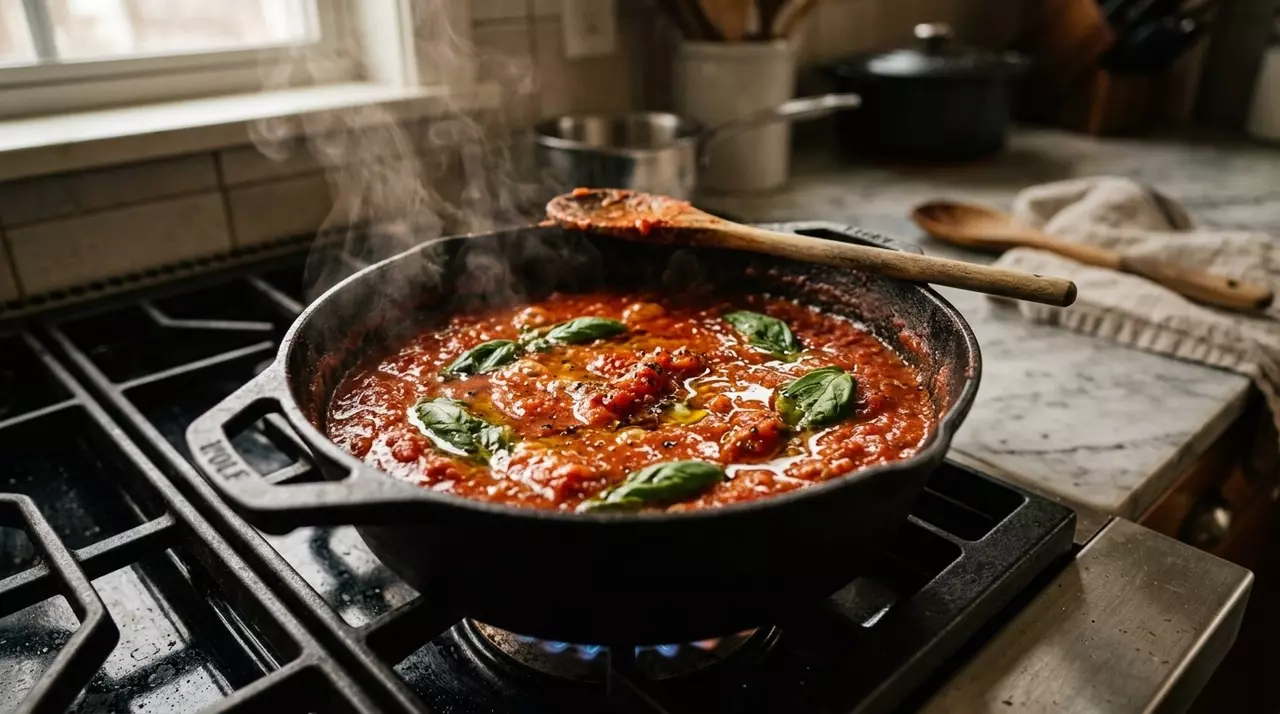
A homemade tomato sauce runs roughly 50–100mg of sodium per serving while leading jarred commercial versions clock in at 400–650mg. That gap is almost entirely the result of industrial preservation and flavor compensation, which makes homemade sauce that much better.
Mise en place — the French kitchen habit of prepping and organizing everything before you start cooking — has been picked up by cognitive behavioral therapists as a mindfulness practice that trains attention and present-moment focus. It's basically a meditation session that ends with dinner.
Culinary anthropologists point out that hands-on, communal food preparation shows up as a consistent stress-reduction ritual across cultures everywhere, from Japanese tsukemono pickling to Italian Sunday ragù. People have been using the kitchen as a reset button for a very long time.