
Anthropic accuses China's Alibaba of unfairly exploiting its AI bot
Anthropic called for more coordination between tthe AI sector and the government to tackle the problem of "illiciit distillation" of their products.
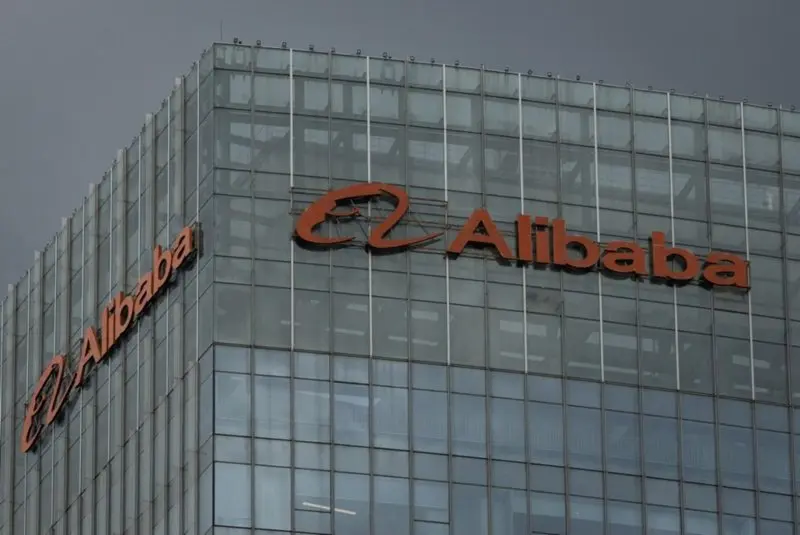
Chinese e-commerce giant Alibaba has been accused by leading American AI-developer Anthropic of "illicitly" seeking to harvest the abilities of its Claude chatbot. Photo by Jessica Lee/EPA UPI
June 25 (UPI) -- AI firm Anthropic sought the assistance of Congress to crack down on alleged clandestine efforts by Chinese e-commerce giant Alibaba to harness its Claude AI assistant to develop its own rival version.
The tech giant wrote the Senate Banking, Housing and Urban Affairs Committee accusing Alibaba of "brazenly" seeking to harvest its AI capabilities by using Claude's power to train a smaller AI chatbot it was building, according to CNBC, which said it had seen the June 10 letter.
Anthropic alleged that over a six-week period beginning April 22, Alibaba's AI lab and affiliated entities used around 25,000 fake accounts to initiate almost 29 million interactions with its models in the "largest known distillation attack on Anthropic to date."
The operation focused on capturing Claude's most prized abilities, such as processing larger and more complicated prompts and questions, as well as how it made decisions, said Anthropic.
"We believe combating the threat of illicit distillation requires coordinated action between government and industry, and we will continue working with Congress and the Administration to maintain American AI leadership," Anthropic said in a statement.
The firm said Alibaba had disregarded an April memo from President Donald Trump's administration vowing to work with U.S. AI companies to stamp out unacceptable efforts to "systematically undermine American research and development and access proprietary information," and look at measures to target foreign perpetrators.
The firm has previously leveled charges at other Chinese AI companies, accusing DeepSeek, Moonshot and MiniMax in February of distillation on an "industrial scale."
Anthropic's letter referenced other alleged incidents that the firm said were a danger to the U.S. military, noting that the Pentagon had added household-name Chinese brands such as EV maker BYD and Internet search and AI firm Baidu to its list of firms with links to China's military.
"Distillation attacks turn hundreds of billions of dollars in American investment and [research and development] into a massive subsidy for our geopolitical competitors," said Anthropic.
Rival AI developer OpenAI, which makes ChatGPT, has made similar allegations against DeepSeek, accusing it of unauthorized use of its AI models.
When it launched in 2025, DeepSeek boasted that the development costs of its chatbot were only a few million dollars, compared with the hundreds of billions of dollars expended by its rivals.