
Hard topics, closed books: Banned authors challenge Texas school restrictions
DALLAS — A historian by training, Candace Fleming never guessed she would become a children’s author — until she started reading to her two sons. She fell in love with how the genre blended entertainment with education, and soon began writing books of her own. “It’s a very serious responsibility,” she said. “I’m going to write about something that a child may never have ever encountered before ...
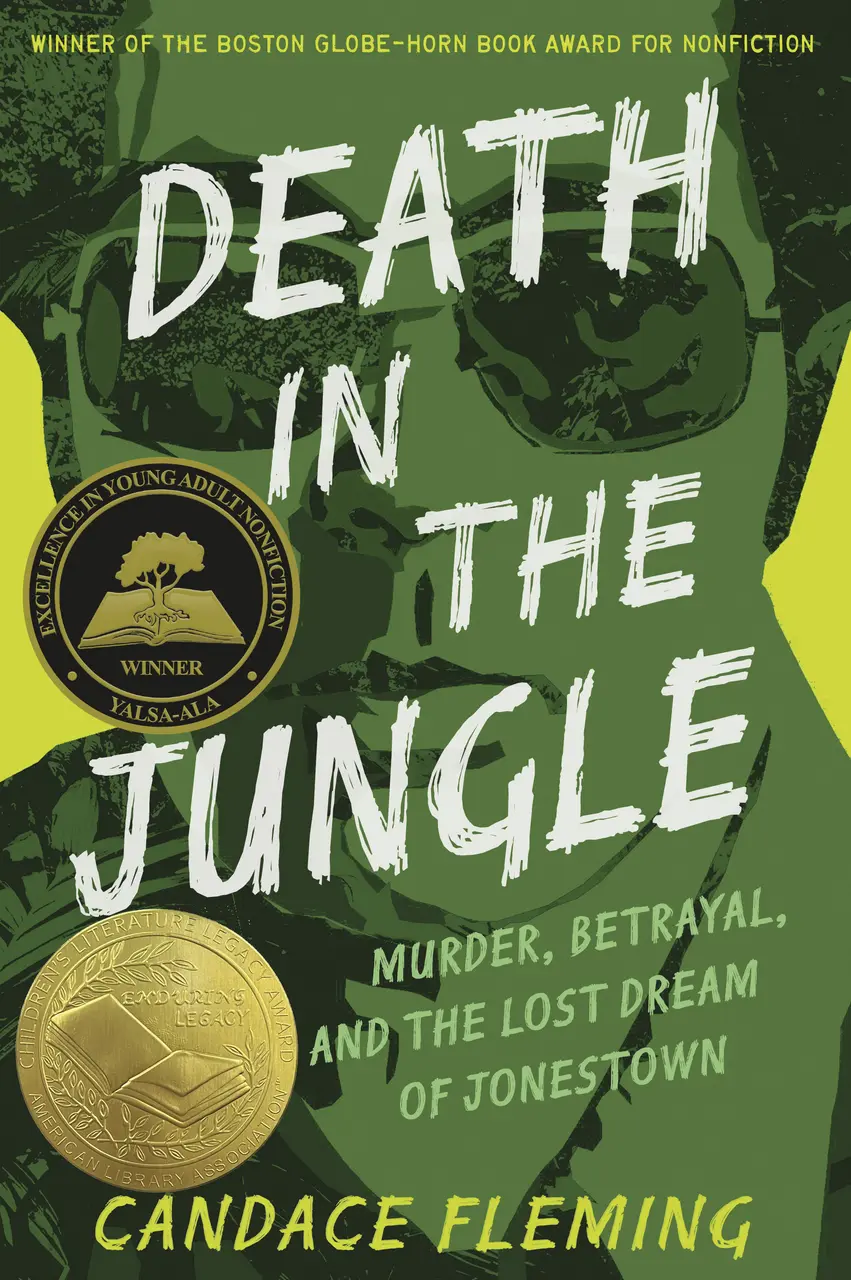
"Death in the Jungle," by Candace Fleming.
Penguin Random House/TNS
DALLAS — A historian by training, Candace Fleming never guessed she would become a children’s author — until she started reading to her two sons. She fell in love with how the genre blended entertainment with education, and soon began writing books of her own.
“It’s a very serious responsibility,” she said. “I’m going to write about something that a child may never have ever encountered before — I always keep that up front.’
Now an award-winning author, Fleming has written over 60 nonfiction books for children and young adults. One of her most popular books, "Death in the Jungle," dives into the history of notorious cult The People’s Temple — winning multiple awards and snagging a spot on the Texas Library Association’s youth nonfiction reading list.
The book, written for teens and young adults, was banned from Allen ISD middle school libraries last year.
The Allen ISD school library advisory council deemed Fleming’s book too “heavy” for sixth, seventh, and eighth graders, removing it from a list of book acquisitions proposed by the district’s librarians. It’s a process happening across North Texas as over a dozen districts form advisory councils to monitor books coming into public school libraries.
Texas has seen a record number of public school book bans since school library advisory councils were established. According to an October report from PEN America, a nonprofit that advocates for free speech across the U.S., Texas public schools restricted access to 11,982 books in the 2025-26 school year — more bans than any other state in the nation.
With rising bans across the state, The Dallas Morning News spoke to two authors who have seen their books blocked from North Texas libraries to get their reactions and hear why they believe their books should be available to all.
The Allen ban didn’t come as a shock to Fleming— districts in Florida, Oklahoma and Louisiana also removed the book from their library shelves because of its sensitive historical themes, according to the author.
“I wasn’t surprised that it was removed,” she said, “but I am disappointed and sad.”
Allen ISD library council members said the book about the mass suicide in Jonestown was too “heavy” for middle schoolers and inappropriate for preteens. District spokesperson David Hicks declined to comment on the ban.
Bonnie Wallace, a conservative activist from Llano who travels the state to challenge books, wrote in an email to The Dallas Morning News the “dark, deep, and even demonic content” in books like "Death in the Jungle" is a threat to students across Texas.
“This stuff is depressing and kids are turning away from reading,” Wallace, who appeared with Texas Lt. Gov. Dan Patrick at a press conference to demand restrictions on books in schools, wrote. “I don’t blame them.”
But for Fleming, her book has never been about the gory details of life in the cult — it’s meant to help students explore themes of peer pressure that are “highly relevant” to their everyday life.
...