
Consumer prices fell 0.4% in June, up less than expected annually
The consumer price index for the year ending in June rose 3.5%, less than economists expected, the U.S. Bureau of Labor Statistics reported Tuesday.
July 14 (UPI) -- The consumer price index for the year ending in June rose 3.5%, less than economists expected, the U.S. Bureau of Labor Statistics reported Tuesday.
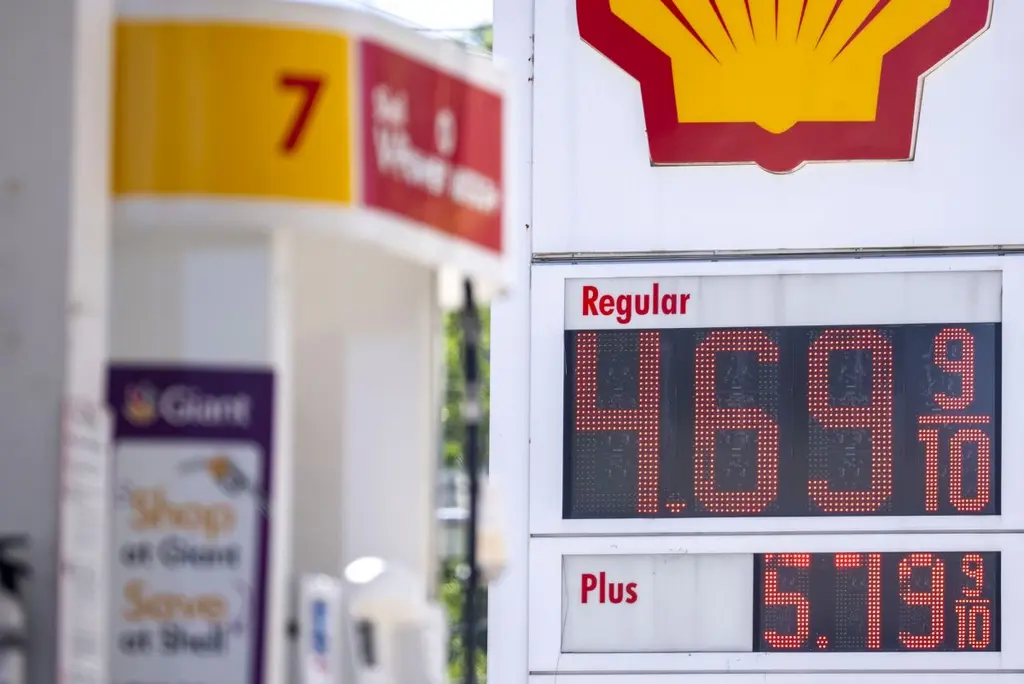
For the month, consumer prices fell by 0.4% due in part to the energy index dropping by 5.7%. It was the largest decline in the energy index in more than six years, following a spike in energy prices due to the Iran war and closure of the Strait of Hormuz.
The consumer price index decline for the month followed a 0.5% increase in May, also making the decrease a six-year best for a single month.
The energy index remains high for the 12 months ending in June, up by 15.7%. This is bolstered by a 26.7% increase in the index for gasoline.
Energy services decreased by 0.7% on a per-month basis, putting the annual rate of inflation at 3.9%. Electricity fell by 1% to an annual 4% increase while utility gas service rose by 0.5% to an annual 3% rate of inflation.
June's index beat estimates by the Dow Jones consensus, which projected a 0.2% decrease in the consumer price index with annual inflation at about 3.8%.
The index for all items not counting volatile food and energy, known as core inflation, remained steady between May and June. Core inflation measured at 2.6% for the year ending in June after reading at 2.9% in May.
The index for food rose by 0.2%, as did the indexes for food at home and food away from home. The annual index for food rose by 3%.
Tuesday's report comes as new Federal Reserve Chairman Kevin Warsh appears before Congress. In his prepared remarks, Warsh will tell Congress that the "number one objective is to get monetary policy right."
"That is our clear and constant aim, the star we steer by," Warsh's prepared statement reads. And if we get policy right -- and we will -- the inflation surge of the last five years will be a thing of the past."