
Twenty U.S. sites rich in women’s history just scored preservation funds. The National Trust and American Express awarded $1.8 million in grants, with Wisconsin’s Janesville Woman’s Club Building taking the top spot. Here is the breakdown.
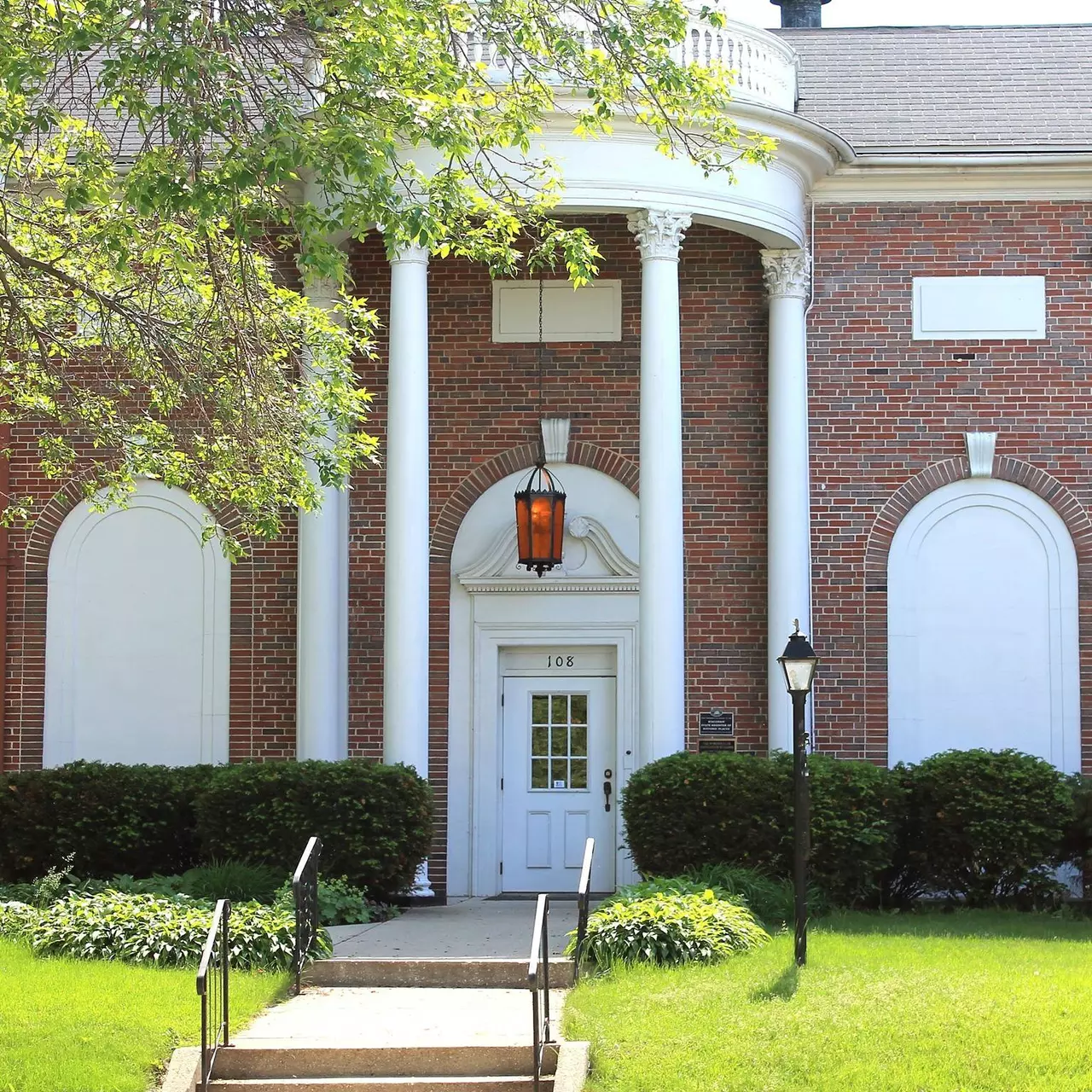
This building has served women’s organizations since its opening in 1928, acting as a safe haven, political center and community resource.
Photography: Facebook
In 1978, Jill Halverson used her savings to open the Downtown Women’s Center, the first drop-in day center for homeless women in Los Angeles. The center has since become the first permanent supportive housing program for women.
Photography: Partners in Preservation
Home to the first Pennsylvania Women’s Rights Convention in 1852, this site is now Chester County’s historical society.
Photography: Wikipedia
Colorado’s first licensed female African-American doctor, Justina Ford, treated patients in her home because she was denied access to the local hospitals. Over her 50-year medical career, Ford delivered more than 7,000 babies, earning her the name the “Baby Doctor.”
Photography: Partners in Preservation
German-born artist Elisabet Ney fled persecution in 1871, landing in Texas. Her majestic limestone homestead, as well as her artwork, helped cultivate Austin’s distinctive, independent spirit.
Photography: Partners in Preservation
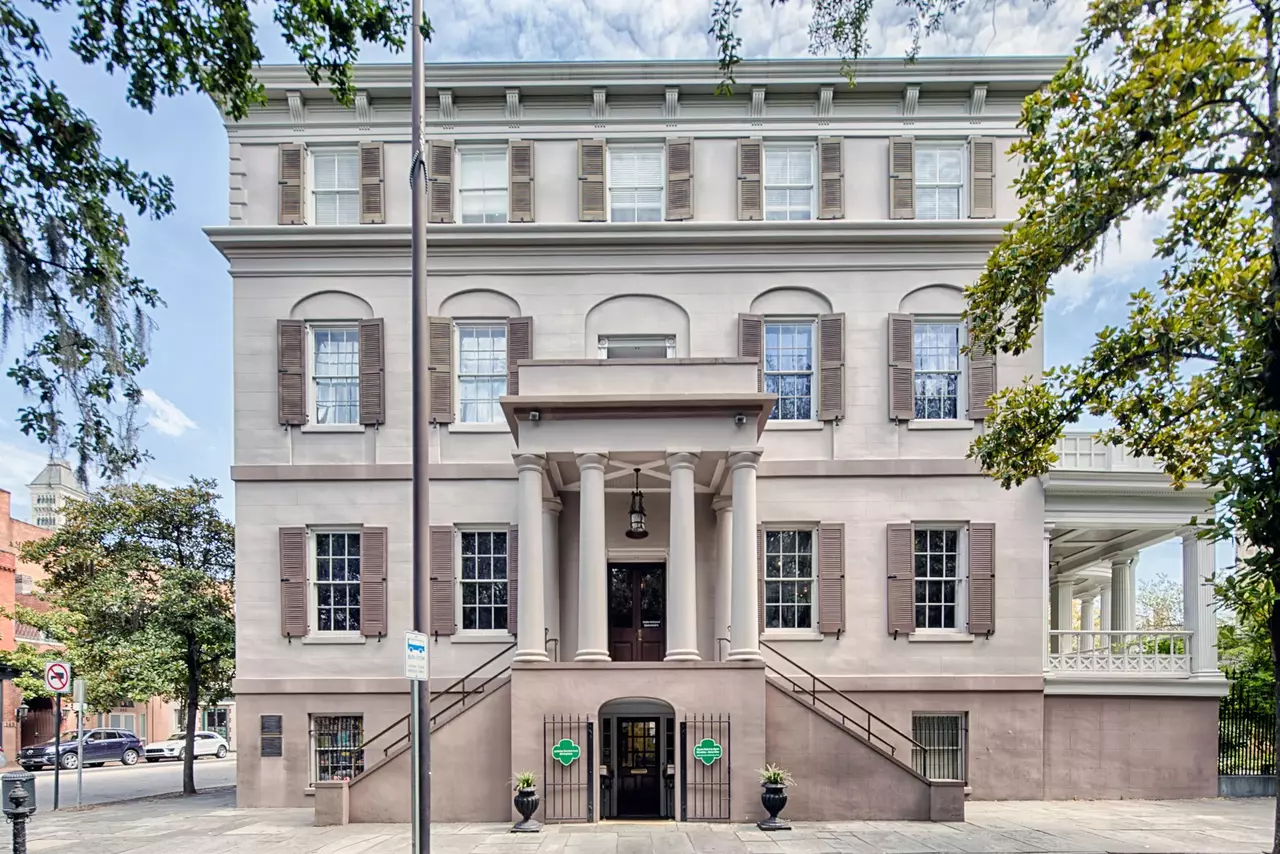
Juliette Gordon Low, the founder of the Girl Scouts, played an important role in promoting women’s leadership skills in young girls.
Photography: Partners in Preservation
Established in 1877, this was the oldest women’s club west of the Mississippi River. The club helped educate women in history, science, arts and literature at a time when academic opportunities for women were sparse.
Photography: Partners in Preservation
Ruth Price Hartley Mosley was the first African-American head nurse of the “Colored Female Department” at the Georgia Sanitarium. She also a civil-rights activist and one of the first women morticians in the country. The Center is still active as a community resource for women.
Photography: Facebook
After a fire devastated the Oregon town of Astoria in 1923, the Odd Fellows Building was one of the first buildings to be restored. Three local women recently saved the building from developers by purchasing it and converting it to a cultural focal point for the town.
Photography: LoopNet
A little-known fact about Wyoming is that it was the first state to grant women the right to vote. The state continues this proud heritage by looking to restore the iconic Strand Theatre, owned by Rose Cain.
Photography: Partners in Preservation