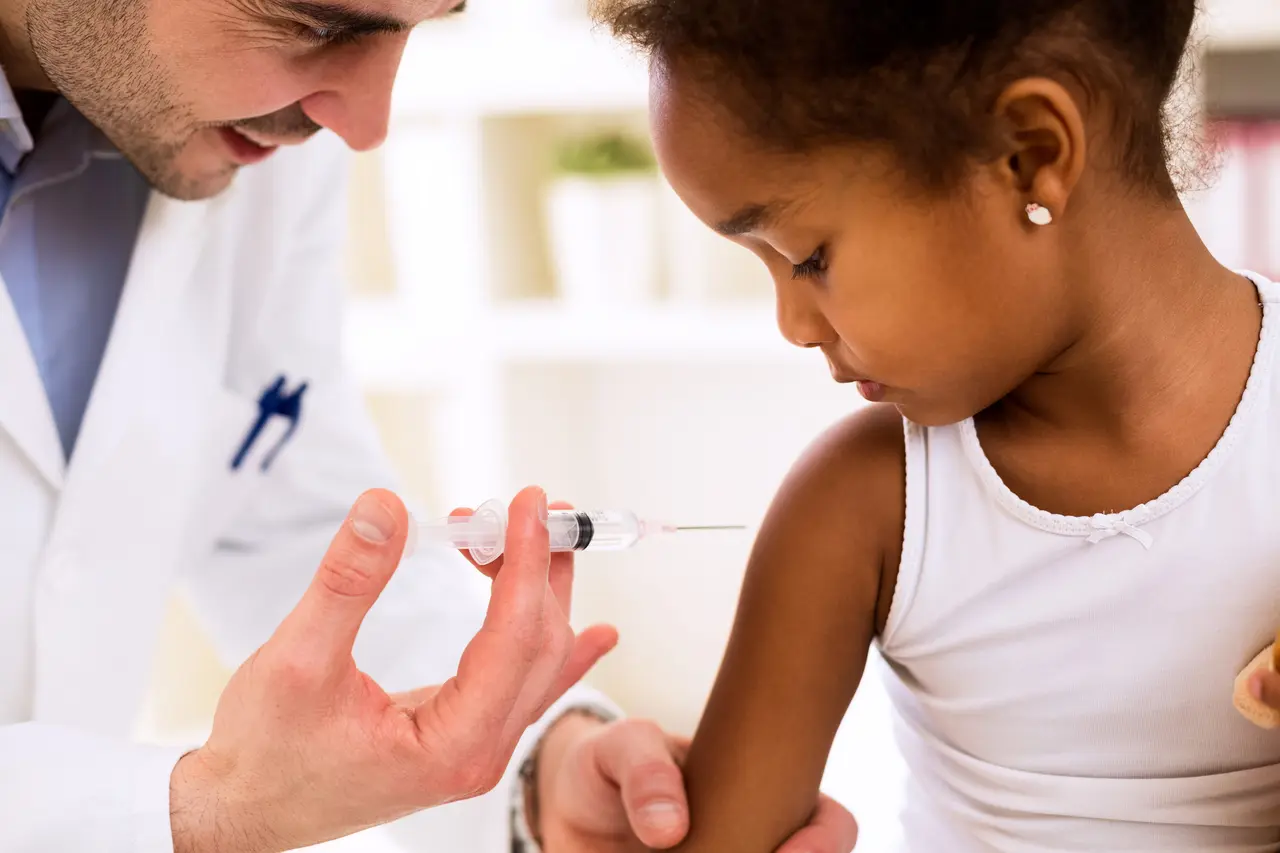

What you should know about childhood vaccines
DALLAS — As summer winds down, family physicians across the country are welcoming children and their families for annual checkups, sports physicals and other visits before the first school bell rings. Amid the rush and changing routines, one conversation often comes up: how vaccines can help protect children as they head back into classrooms. For many parents and caregivers, that conversation ...
Childhood vaccination has been one of modern medicines biggest success stories.
Dreamstime/Dreamstime/TNS
DALLAS — As summer winds down, family physicians across the country are welcoming children and their families for annual checkups, sports physicals and other visits before the first school bell rings. Amid the rush and changing routines, one conversation often comes up: how vaccines can help protect children as they head back into classrooms.
For many parents and caregivers, that conversation can feel more complicated than it used to. Families are sorting through headlines, social media posts and advice from many different sources while trying to make thoughtful decisions for the people they love most. In my experience as a family physician, every parent wants the same thing: to help their child grow up healthy and thrive.
As the school year begins, it's a good time to revisit a few common questions about childhood vaccines and what decades of research have taught us.
If we rarely see diseases like measles anymore, does my child still need these vaccines?
Many families today have never seen a case of measles, chickenpox or other serious diseases that we've only seen in history books. That's a major public health achievement, thanks to vaccines, which have played a major role in making many serious childhood diseases much less common than they once were.
The challenge is that these diseases haven't disappeared everywhere. The Centers for Disease Control and Prevention announced that measles cases have officially passed last year's total — the highest level in more than 30 years. When diseases are introduced into communities where fewer people are protected, they can spread quickly. That's one reason we've seen outbreaks of diseases like measles and whooping cough in parts of the U.S. recently.
Back-to-school visits are an opportunity to look at the whole child — how they're growing, how they're feeling and what can help keep them healthy throughout the school year. Reviewing recommended vaccines is one part of that conversation. Immunizations are designed to help protect children from serious illness while also reducing the chances that infections spread in schools and other shared spaces.
My child is healthy. Shouldn't a strong immune system already know how to fight infections?
The immune system is one of the body's most remarkable defenses. Family physicians often explain it to families using a gaming analogy: Vaccines are like cheat codes. You can play a video game without cheat codes, but it's usually much harder, and you're more likely to face challenges and take damage that could have been avoided. Similarly, vaccines give the immune system a chance to prepare before it encounters a disease. If exposure happens later, that preparation can significantly reduce the risk of severe illness, hospitalization and death.
How does vaccination affect community immunity?
Our health is connected in ways we don't always think about. Children spend their days learning, playing and sharing spaces with classmates, teachers, grandparents and neighbors.
Some people, including newborns who are too young for certain vaccines and people with weakened immune systems, may not have the same level of protection against serious illness. Staying up to date on recommended vaccines is a way that families can help reduce the spread of infections and contribute to a healthier community for everyone.
How can I tell which vaccine information to trust?
Families have access to more health information than ever before. That is a great thing, but it can also make it difficult to know which sources are reliable. Not every source follows the same standards for evidence. Online posts are often designed to capture attention, while medical recommendations are based on years of research, careful review and ongoing safety monitoring.
That's why family physicians encourage people to bring their questions to their family doctor. No question is too small, and these conversations are an important part of caring for your child. Our role isn't to pressure families; it's to listen, answer questions and help parents make informed decisions based on the best available evidence and their child's individual health needs.
During checkups, we tell families that staying up to date on vaccinations is preventive care, much like wearing a seat belt, eating nutritious foods and getting enough sleep. It does not eliminate every risk, but it significantly improves the odds of staying healthy.
For families with questions, the first step is simple: bring them to your family doctor. We're here to have those conversations, provide trustworthy information and help you make the decisions that are right for your family.
Margot Savoy is a family physician and the chief medical officer of the American Academy of Family Physicians.