
Editorial: TPS for Salvadorans and not Haitians shows Trump double standard
More than 170,000 Salvadorans sighed with relief last week when the Trump administration announced it would not end their humanitarian protections. But the decision is inconsistent with similar orders to cut a benefit known as Temporary Protected Status, or TPS, for other populations, suggesting a double standard in immigration policy. Why were Salvadorans spared and not Haitians? The Trump ...
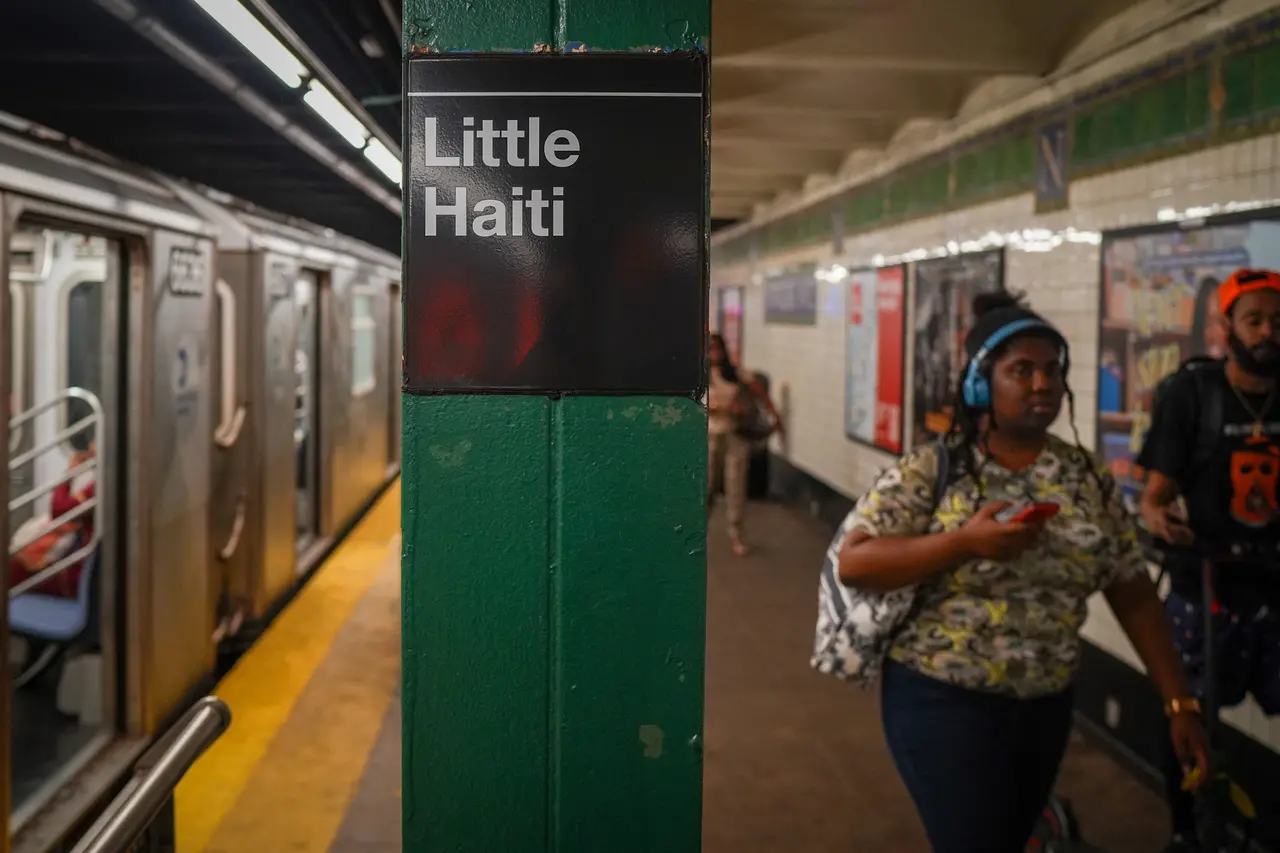
People walk on a train platform at the Little Haiti subway station in the Little Haiti neighborhood of Brooklyn, New York, on July 29, 2026.
Ryan Murphy/AFP/Getty Images North America/TNS
More than 170,000 Salvadorans sighed with relief last week when the Trump administration announced it would not end their humanitarian protections. But the decision is inconsistent with similar orders to cut a benefit known as Temporary Protected Status, or TPS, for other populations, suggesting a double standard in immigration policy.
Why were Salvadorans spared and not Haitians?
The Trump administration has already terminated TPS for 13 countries, including Afghanistan, Syria and Nicaragua. Earlier this summer, the administration ended TPS for roughly 350,000 Haitians, and some have already been deported.
TPS was created to bring temporary relief for migrants from countries suffering war, natural disasters or extraordinary conditions that endanger their safe return. Salvadoran migrants were first granted this benefit during a civil war in 1990. The current TPS designation followed devastating earthquakes in 2001.
If TPS conditions are applied as intended, the decision to preserve TPS for Salvadorans but not Haitians doesn't make sense. Salvadorans can now return safely to a country where the homicide rate has plummeted and living conditions have improved notably. It's different for Haitians, who are returning to an effectively failed nation largely controlled by criminal gangs.
What we believe is at play here is not the living conditions in El Salvador, but the strong political partnership between Salvadoran President Nayib Bukele and Donald Trump. Bukele has been an important regional ally for the Trump administration, accepting more than 200 Venezuelans deported from the U.S. in 2025, and taking them to a detention center with a reputation for human rights abuses.
El Salvador, a country where many live in poverty, also benefits economically from having a large diaspora in the much wealthier United States. Remittances from Salvadorans abroad add up to about 27% of the nation's GDP.
While the Department of Homeland Security is not terminating TPS for Salvadorans, it has not said it is extending it either. DHS said it will make an announcement "at an appropriate time," triggering uncertainty.
TPS has always been a problematic category in our immigration system. It is supposed to be a temporary benefit without a pathway for a green card or citizenship. But it can be renewed for short periods of time that in some cases have become several years.
Some Salvadorans have been in the U.S. for decades, have already established roots and businesses, bought homes and raised children as Americans. It would be difficult now to return.
But TPS was misused across multiple White House administrations. This was always supposed to be a temporary benefit, and extending it indefinitely defeats its purpose. TPS was created as a stopgap measure to manage large migrant populations from specific countries, but for a short period of time. The U.S. cannot be the pressure release valve for troubled nations indefinitely.
We worry the Trump administration is not bringing more order to the TPS program but playing politics with a system that needs reform.
___